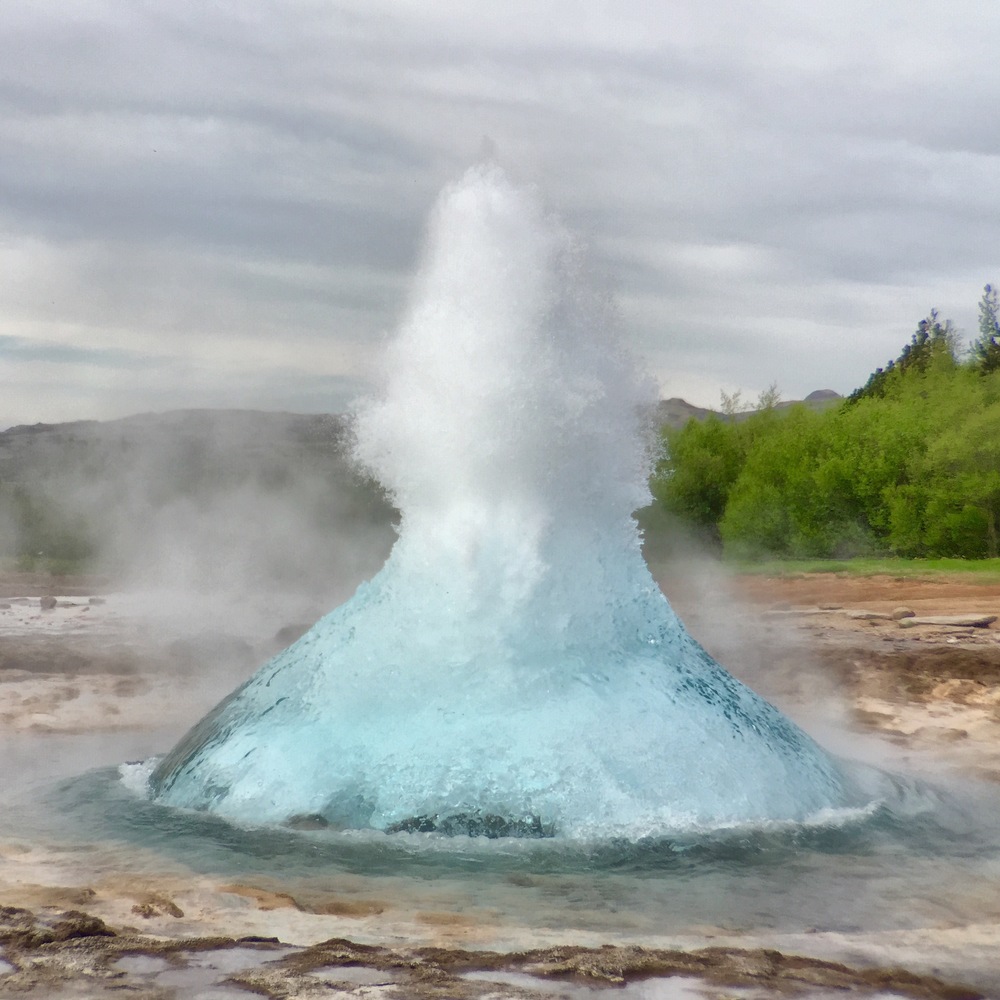
Geysers: A Natural Wonder Explained
What are geysers?
Geysers are natural geological formations that erupt with hot water and steam from the Earth’s surface. They are often associated with volcanic areas and occur when underground water is heated by magma or hot rocks beneath the surface.
How do geysers work?
Geysers require three essential components to function: a water source, a heat source, and a plumbing system. The water source comes from rainwater, snowmelt, or groundwater that seeps deep into the ground. As this water gets closer to the heat source, it absorbs heat and becomes superheated.
The heat source for most geysers is volcanic activity. Magma chambers or hot rocks situated beneath the geyser provide intense heat to boil the superheated water. When pressure builds up due to steam formation in an underground chamber blocked by a constriction in its plumbing system, it causes an eruption.
The plumbing system of a geyser consists of narrow channels leading from the underground chamber to a vent at the surface. These channels trap steam until enough pressure builds up for an eruption.
Why do geysers erupt?
Eruptions occur when enough pressure builds up within the geyser’s plumbing system. This happens because as more superheated water enters the chamber below ground level, it displaces cooler water already present there. The trapped steam tries to escape but stays locked until sufficient pressure forces it through narrow openings towards the surface.
When does an eruption happen?
Predicting specific eruptions is challenging as they depend on various factors like temperature fluctuations and geological conditions unique to each geyser site. However, scientists can estimate average intervals between eruptions based on past data.
Are all geysers similar?
No, while all geysers follow general principles of heating and erupting cycles, their characteristics vary greatly depending on location and local geological features. Some geysers erupt with regular intervals, while others are sporadic. Each geyser has its unique personality.
Where can you find geysers?
The most famous geyser in the world is Old Faithful located in Yellowstone National Park, USA. However, geysers can be found in several other locations worldwide, including Iceland, New Zealand, Chile, Russia, and even some volcanic regions of Antarctica.
Are geysers safe to visit?
Visiting geysers can be an incredible experience but caution must be exercised as they involve natural forces. Hot water eruptions can cause injury or burns if visitors venture too close. It’s important to follow park guidelines and stay within designated viewing areas for safety.
Geysers are a captivating natural phenomenon that showcases the Earth’s power and beauty. Exploring these awe-inspiring wonders provides valuable educational opportunities for students interested in earth sciences and environmental studies.
 Alternative Amie
Leave a comment