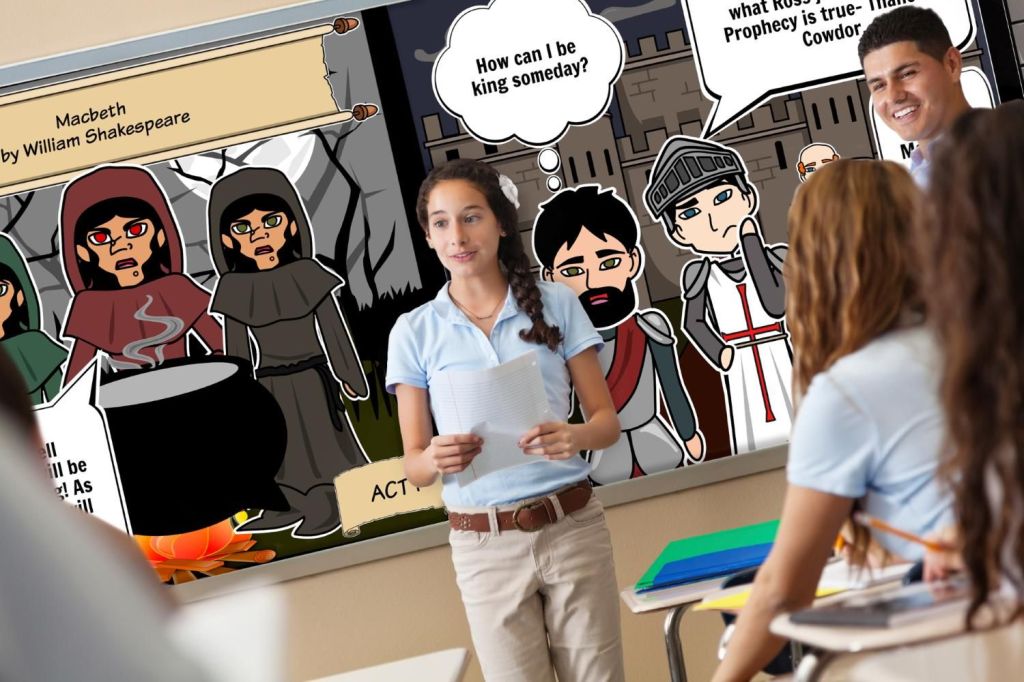
Narration: Unlocking the Power of Storytelling in Education
Storytelling has been an integral part of human culture for centuries. It has the ability to captivate, engage, and inspire listeners. But did you know that storytelling can also have a profound impact on education? This is where narration comes into play.
Narration is a teaching method that encourages students to retell or summarize what they have learned through storytelling. Instead of simply regurgitating facts and figures, narration allows students to internalize information and make it their own. By actively engaging with the material through storytelling, students develop a deeper understanding of the subject matter.
One of the key benefits of narration is its ability to foster creativity. When students are given the freedom to retell what they’ve learned in their own words, they are encouraged to think critically and imaginatively. This process not only enhances their cognitive skills but also ignites their passion for learning.
Moreover, narration helps improve communication skills. By practicing oral expression through storytelling, students become more confident in articulating their thoughts and ideas effectively. They learn how to structure narratives, use descriptive language, and engage their audience – important skills that extend beyond the classroom walls.
Another advantage of narration is its capacity to promote active listening and comprehension. When students listen attentively during class discussions or presentations and then retell those stories later on, they reinforce their understanding of the material. This approach enables educators to gauge individual progress accurately while allowing learners ample opportunities for self-reflection.
Furthermore, by incorporating personal experiences into narrations, students establish meaningful connections between new knowledge and prior learning or real-world situations. This personalized approach fosters intrinsic motivation as learners see how what they’re studying relates directly to themselves or society as a whole.
Incorporating narration into education fosters collaboration among peers as well. Students often work in pairs or small groups when sharing stories with each other or presenting them before classmates. This collaborative environment builds teamwork, empathy, and respect among students as they actively listen to their peers’ narratives and provide constructive feedback.
In conclusion, narration is a powerful tool that empowers students to take ownership of their learning experience. By encouraging creativity, enhancing communication skills, promoting active listening and comprehension, establishing personal connections, and fostering collaboration, narration provides a holistic approach to education that goes beyond rote memorization. So let’s embrace the power of storytelling in education and unlock the full potential of our students’ growth and development.
 Alternative Amie
Leave a comment