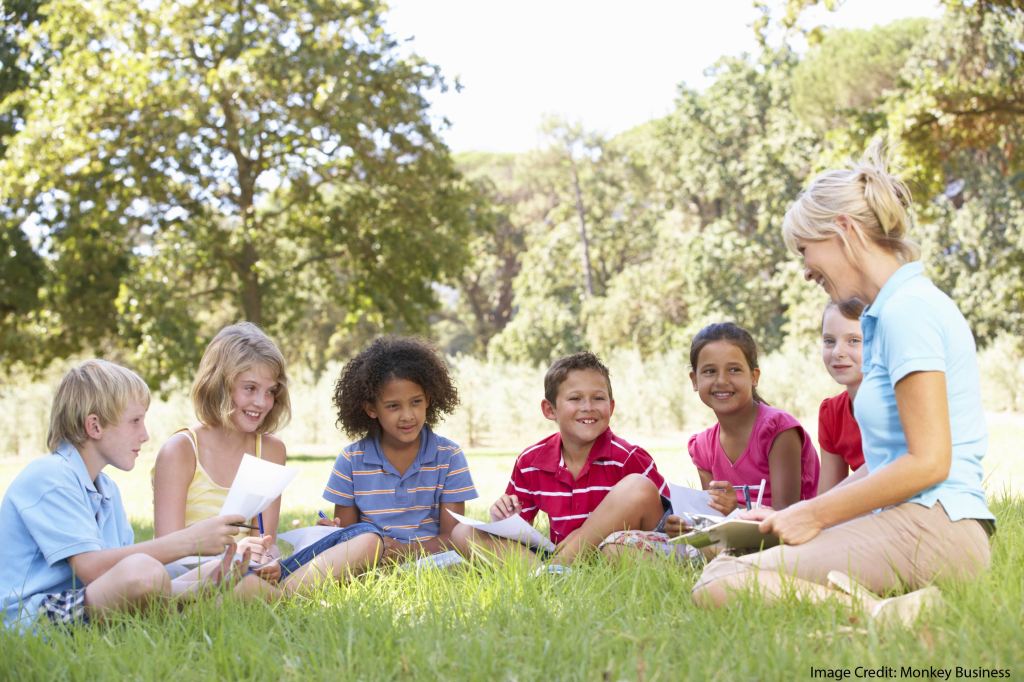
Outdoor Education: Unlocking the Power of Nature for Alternative Schooling
In today’s fast-paced society, alternative schooling and education methods have gained popularity as parents and educators seek to provide well-rounded learning experiences for children. One approach that has been gaining traction is outdoor education. By taking learning beyond the traditional classroom walls and into nature, outdoor education offers a unique opportunity for students to connect with their environment while fostering personal growth and academic development.
To delve deeper into the world of outdoor education, I had the pleasure of speaking with Sarah Thompson, an experienced outdoor educator who has been working in this field for over a decade. With her expertise, she shed light on the benefits and challenges associated with incorporating outdoor education into alternative schooling curricula.
“Outdoor education provides a natural setting where students can develop skills such as problem-solving, teamwork, communication, and resilience,” Sarah explained. “By engaging in hands-on activities like hiking, camping, wildlife observation, or even gardening, children are exposed to real-life situations that require critical thinking and adaptability.”
Indeed, research has shown that spending time outdoors not only enhances cognitive abilities but also promotes physical health and emotional well-being. Being immersed in nature helps reduce stress levels while increasing creativity and focus—an ideal combination for effective learning.
When asked about any particular challenges faced in implementing outdoor education programs within alternative schools’ frameworks, Sarah pointed out logistical factors such as weather conditions or limited access to suitable locations. However, she emphasized that these obstacles can be overcome through careful planning and collaboration between teachers, administrators, parents/guardians.
“Flexibility is key when it comes to running successful outdoor programs,” she said. “Having backup options like indoor activities or field trips during inclement weather ensures continuity in student engagement while still incorporating elements of nature-based learning.”
Sarah stressed the importance of aligning outdoor educational experiences with established curriculum objectives. Integrating subjects like science (biology/ecology), geography (environmental studies), and even literature (nature writing) into outdoor activities helps solidify the connection between academia and the natural world.
“Outdoor education should not be seen as separate from traditional learning but rather as an extension of it,” Sarah emphasized. “By linking concepts taught in the classroom to real-world experiences, students develop a deeper understanding and appreciation for what they’re studying.”
I asked Sarah about any notable success stories she has witnessed in her years of outdoor education work. She recounted an instance where a group of high school students participated in a week-long survival skills program deep within a national park.
“These kids were taken out of their comfort zones, away from their screens and technology,” Sarah explained with enthusiasm. “They had to rely on their instincts, collaborate with peers, and learn essential survival techniques such as shelter-building or fire-making—all while being surrounded by stunning landscapes.”
Not only did these students acquire valuable wilderness skills, but they also experienced personal growth that positively impacted other aspects of their lives. Improved self-confidence, stronger bonds with peers through shared challenges, and increased appreciation for nature were some of the outcomes observed during this program.
Sarah believes that incorporating outdoor education into alternative schooling can help address today’s pressing environmental concerns by fostering ecological literacy in young minds.
“When children spend time outdoors exploring ecosystems firsthand, they become more aware of our planet’s fragility,” she said passionately. “This instills a sense of responsibility towards sustainable living practices—something we desperately need to cultivate in future generations.”
As our conversation drew to a close, I couldn’t help but feel inspired by Sarah’s dedication to outdoor education. Her insights shed light on how alternative schools can harness the power of nature to create meaningful learning experiences for children.
In conclusion, outdoor education offers a wealth of benefits for alternative schooling environments. From developing critical life skills to promoting physical health and emotional well-being, this approach enhances academic learning while fostering personal growth. By integrating nature-based experiences into established curricula and addressing logistical challenges, alternative schools can provide students with a well-rounded education that extends beyond the confines of traditional classrooms. Ultimately, outdoor education nurtures a deep connection to the environment and equips young minds with the tools needed to become compassionate stewards of our planet.
 Alternative Amie
Leave a comment