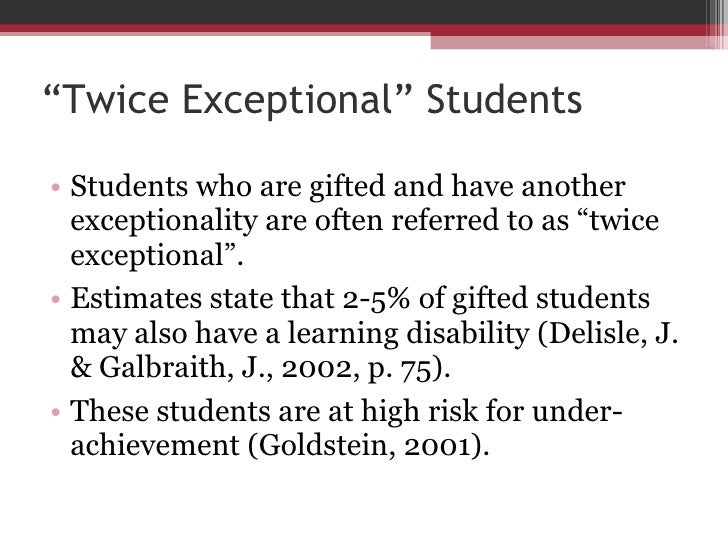
Twice-exceptional students, also known as “2e” students, are a unique group within the realm of gifted education. These are students who possess both exceptional intellectual abilities and disabilities or learning differences. They may have ADHD, autism spectrum disorder, dyslexia, or other challenges that can mask their giftedness or make it difficult for them to fully access and demonstrate their capabilities in a traditional classroom setting.
The social and emotional needs of gifted learners are often overlooked in mainstream education. These students may experience feelings of isolation, frustration, and boredom due to a lack of intellectual peers or challenging curriculum. Gifted individuals often have heightened sensitivities and intense emotions that require special attention from educators and parents alike.
Differentiated instruction is essential when working with gifted students. It involves tailoring teaching methods and content to meet the individual needs of each student. This approach allows advanced learners to delve deeper into topics they find interesting while providing support for areas where they may struggle.
Creativity and innovation should be at the forefront of any effective gifted education program. Gifted learners thrive when given opportunities to explore new ideas, think critically, problem-solve independently, and engage in open-ended projects that encourage creativity.
Unfortunately, there is an underrepresentation of minority groups in gifted programs. This is partly due to systemic biases in identification processes that favor certain cultural norms or fail to recognize different forms of intelligence inherent within diverse populations. Efforts must be made to ensure equal access to high-quality programs for all students regardless of their background.
Gifted education policies play a crucial role in shaping educational practices for advanced learners. Legislation should prioritize funding for specialized training for teachers working with this population as well as provide resources necessary for implementing effective strategies.
Dual enrollment options offer highly capable students the opportunity to take college-level courses while still in high school. This allows them to challenge themselves academically beyond what traditional curricula might offer.
Homeschooling can be an attractive option for gifted learners as it provides the flexibility to tailor education specifically to their needs and interests. However, it is important for parents considering this path to ensure that they have the necessary resources and support networks in place.
Project-based learning is a valuable approach for gifted students as it allows them to apply their advanced skills in real-world scenarios. This method encourages independent thinking, collaboration, and problem-solving while addressing individual interests and passions.
Technology integration can greatly enhance gifted education by providing access to online resources, virtual classrooms, and interactive tools that foster creativity and critical thinking. It also allows students to connect with like-minded peers from around the world through online communities or collaborative projects.
Gifted education in rural areas faces unique challenges due to limited resources and isolation. Efforts must be made to provide equal opportunities for these students through distance learning programs, mentorship initiatives, or partnerships with nearby universities or organizations.
Mentors play a vital role in supporting gifted learners by providing guidance, encouragement, and expertise in specific fields of interest. Mentoring relationships help nurture talent, develop self-confidence, set goals, and explore potential career pathways.
Acceleration strategies are often employed for advanced students who require additional challenges beyond grade-level content. This may involve grade skipping, subject acceleration, or early entrance into college programs.
School-wide enrichment models aim to create a culture of excellence by offering enrichment opportunities for all students rather than segregating gifted learners into separate classes. This inclusive approach fosters collaboration among high-ability peers while promoting equity within the school community.
Culturally responsive teaching acknowledges the diverse backgrounds of gifted students and incorporates culturally relevant materials into curriculum design. By valuing different perspectives and experiences, educators can create an environment that respects diversity while ensuring each student’s unique abilities are nurtured.
Advocacy is crucial for parents of gifted children who often face unique challenges navigating educational systems that may not fully understand or meet their child’s needs. By advocating for appropriate services and accommodations, parents can ensure their gifted children receive the support they require.
Talent development programs focus on identifying and nurturing high-ability students across various domains such as arts, music, athletics, or leadership. These programs provide specialized training and opportunities to develop skills in specific areas of talent.
Neurodiversity refers to the recognition and acceptance of neurological differences in individuals. Inclusion of neurodivergent students within gifted education is essential to promote equity and ensure that all gifted learners have access to appropriate supports tailored to their specific needs.
The impact of socioeconomic status on access to gifted programs cannot be underestimated. Unfortunately, students from low-income backgrounds are often underrepresented due to limited resources, lack of awareness about giftedness, or systemic barriers. Efforts must be made to bridge this gap through outreach programs and equitable identification practices.
Gifted identification methods should encompass a range of measures beyond traditional testing or IQ assessments. Multiple criteria, including creativity tests, performance-based assessments, observations by experts in the field, or portfolios showcasing exceptional work should be considered for a comprehensive evaluation process.
Collaboration between general and special education teachers is vital when serving twice-exceptional students who need both academic challenges and targeted support for their disabilities. This collaborative approach ensures that these students’ unique strengths are recognized while providing necessary accommodations or modifications when required.
Gifted programming options beyond the traditional classroom setting can include online platforms offering advanced courses or specialized academies focusing on particular interests such as STEM (Science, Technology, Engineering & Mathematics) or arts. These options cater specifically to highly motivated learners seeking more rigorous educational experiences.
Self-regulation skills play a significant role in the academic success of gifted learners. Teaching strategies that help them manage perfectionism tendencies, cope with failure or setbacks constructively, set realistic goals, prioritize tasks effectively while maintaining overall well-being are crucial for their long-term growth.
Addressing perfectionism and anxiety among high-achieving students is essential. Gifted learners often put immense pressure on themselves to excel, which can lead to burnout, fear of failure, or mental health issues. Educators and parents should foster a growth mindset that emphasizes effort over outcome and provides support systems for managing stress.
Supporting social connections among highly able peers within a school community is important for gifted students’ holistic development. Establishing clubs, interest groups, or mentorship programs allows these students to connect with like-minded individuals who understand their unique experiences and challenges.
In conclusion, alternative schooling and education options should prioritize the needs of twice-exceptional students while addressing social-emotional well-being, providing differentiated instruction, fostering creativity and innovation, promoting diversity and equity, implementing effective policies and legislation, offering various programming options beyond traditional classrooms, integrating technology appropriately while considering rural areas’ specific challenges. By doing so, we can create an inclusive educational environment where all gifted learners thrive and reach their full potential.
 Alternative Amie
Leave a comment