Gamification in Education: A Revolutionary Approach to Learning
In recent years, educators have been exploring innovative ways to engage students and enhance their learning experience. One such approach that has gained significant attention is gamification. By integrating elements of game design into educational settings, gamification aims to motivate and inspire students while making the learning process more enjoyable. In this article, we will delve deeper into the concept of gamification in education and explore its potential benefits.
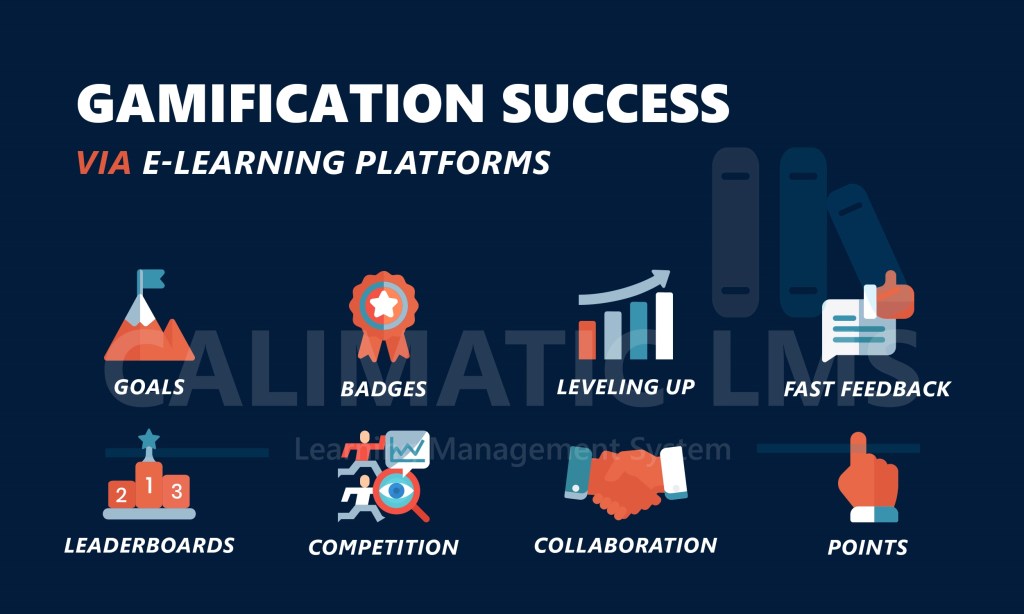
At its core, gamification uses game principles and mechanics to create a more interactive and immersive learning environment. These can include point systems, leaderboards, badges, levels, and challenges that provide students with clear goals and instant feedback on their progress. By introducing these elements into the classroom or online platforms, educators can tap into students’ natural curiosity and desire for achievement.
One key advantage of gamification in education is increased student engagement. Traditional teaching methods often struggle to captivate learners who may find textbooks or lectures dull or uninteresting. Gamified lessons offer an exciting alternative by transforming abstract concepts into tangible experiences through interactive games and simulations.
Furthermore, gamification helps foster a sense of competition among students without creating an unhealthy atmosphere. Leaderboards allow learners to compare their progress with classmates’, encouraging healthy rivalry as they strive for excellence together.
Another benefit lies in how gamified learning encourages critical thinking skills development. Games often require problem-solving abilities as players navigate through challenges or puzzles. By incorporating similar elements into educational activities, students are prompted to think creatively and develop strategies to overcome obstacles.
Moreover, immediate feedback provided by game-based systems allows learners to identify areas where they need improvement instantly. This timely information enables them to adjust their approach accordingly rather than waiting until test results are returned days later.
Lastly, it’s important not to overlook the element of enjoyment that accompanies gamified learning experiences. When students are having fun while studying or completing assignments, they become more intrinsically motivated – driven by their own interest in the subject matter rather than external rewards or punishments. This intrinsic motivation can lead to increased levels of participation and a deeper understanding of the material.
While there are undoubtedly numerous benefits to gamification in education, it’s important to note that it is not a one-size-fits-all solution. Each classroom has its unique needs and dynamics, and educators must carefully consider how to integrate game elements effectively into their teaching practices.
In conclusion, gamification in education offers an innovative approach to engage students actively in the learning process. By utilizing game principles, educators can create interactive environments that promote critical thinking skills development, foster healthy competition, provide instant feedback, and ultimately enhance student engagement. As technology continues to advance and evolve, incorporating gamification into educational settings holds immense potential for transforming traditional approaches to teaching and learning.
 Alternative Amie
Leave a comment