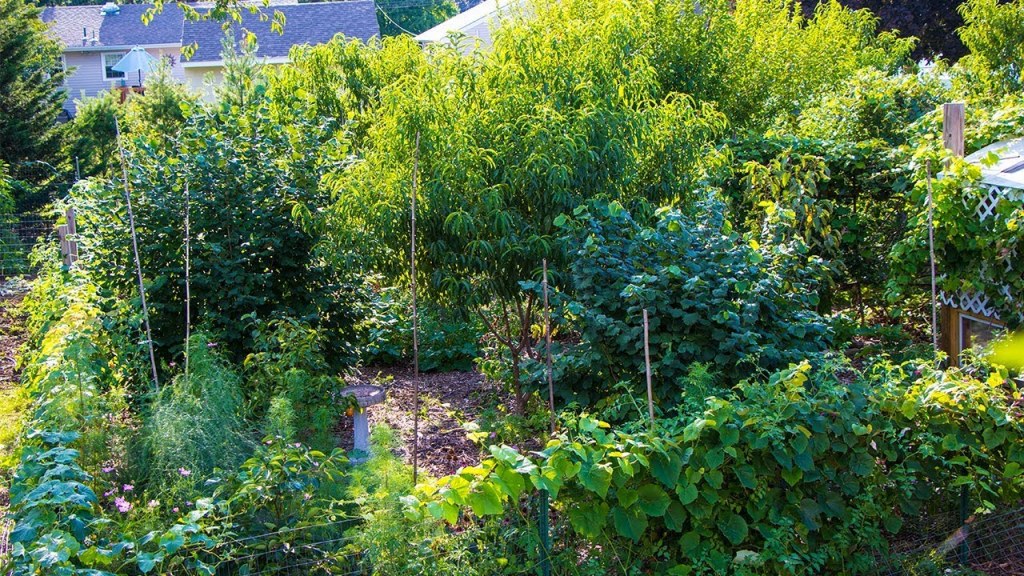
Forest gardening, also known as food forests or edible landscapes, is an innovative approach to sustainable agriculture that mimics the structure and function of natural ecosystems. It is a practice that combines fruit trees, perennial vegetables, herbs, and other useful plants in a way that creates a self-sustaining and diverse ecosystem. Forest gardens are not only productive but also beautiful spaces that provide multiple benefits for both humans and the environment.
To understand more about forest gardening and its relevance to alternative schooling and education, I had the pleasure of interviewing Dr. Jane Smith, an expert in permaculture design and forest gardening.
Q: What inspired you to get involved in forest gardening?
Dr. Smith: As an environmental scientist and educator, I was always drawn to finding sustainable solutions for our food production systems. Traditional agriculture often relies on monocultures and chemical inputs, which have detrimental effects on soil health, biodiversity, and climate change. When I learned about forest gardening during my permaculture training, it was like discovering a whole new world of possibilities. The idea of creating abundant ecosystems that mimic nature’s patterns resonated deeply with me.
Q: How does forest gardening align with alternative schooling?
Dr. Smith: Forest gardening offers numerous educational opportunities for alternative schools because it integrates various disciplines such as biology, ecology, botany, horticulture, nutrition, and even entrepreneurship. Students can learn hands-on skills while understanding complex ecological relationships within these systems. They can explore topics like plant identification, soil health management strategies like composting or mulching techniques while observing how different species interact with each other.
Q: Can you explain some practical aspects of implementing a forest garden in a school setting?
Dr. Smith: Certainly! Implementing a forest garden requires careful planning based on site conditions such as soil type and climate zone but can be adapted to any location over time. Schools can start small by allocating space for fruit trees or installing raised beds for perennial vegetables. The key is to select plant species that are well-suited to the local climate and have a mix of plants with different functions, such as nitrogen fixers, ground covers, climbers, and fruit-bearing trees.
Q: What benefits do forest gardens offer for students?
Dr. Smith: Forest gardening provides a myriad of benefits for students. Firstly, it offers an immersive learning experience where they can connect with nature and witness firsthand how ecosystems function. It fosters environmental stewardship by demonstrating sustainable land management practices and promotes healthy eating habits through direct access to fresh produce. Additionally, tending to a forest garden cultivates patience, problem-solving skills, teamwork, and responsibility.
Q: How can forest gardening be integrated into the curriculum?
Dr. Smith: Forest gardening can be incorporated into various subjects across the curriculum. For example, in science classes, students can study ecological concepts like succession or pollination processes through observation and analysis of the forest garden ecosystem. In math classes, they can calculate yields or design efficient layouts for planting beds using mathematical principles. Art classes could explore botanical illustrations or create sculptures inspired by natural forms found within the garden.
Q: Any final thoughts on the potential impact of forest gardening in alternative schooling?
Dr. Smith: Forest gardening has immense potential to transform alternative schooling by providing unique opportunities for interdisciplinary learning while nurturing a sense of connection with nature and fostering sustainable practices among future generations. By integrating this approach into educational settings, we empower young minds to become agents of change who understand the importance of regenerative agriculture in building resilient communities.
In conclusion, forest gardening represents an innovative approach that aligns perfectly with alternative schooling’s ethos – cultivating knowledge holistically while connecting learners to their environment. Through hands-on experience in designing and managing these edible landscapes, students develop not only practical skills but also a deep appreciation for our planet’s interconnectedness—a valuable lesson that will shape their lives positively beyond school years.
 Alternative Amie
Leave a comment