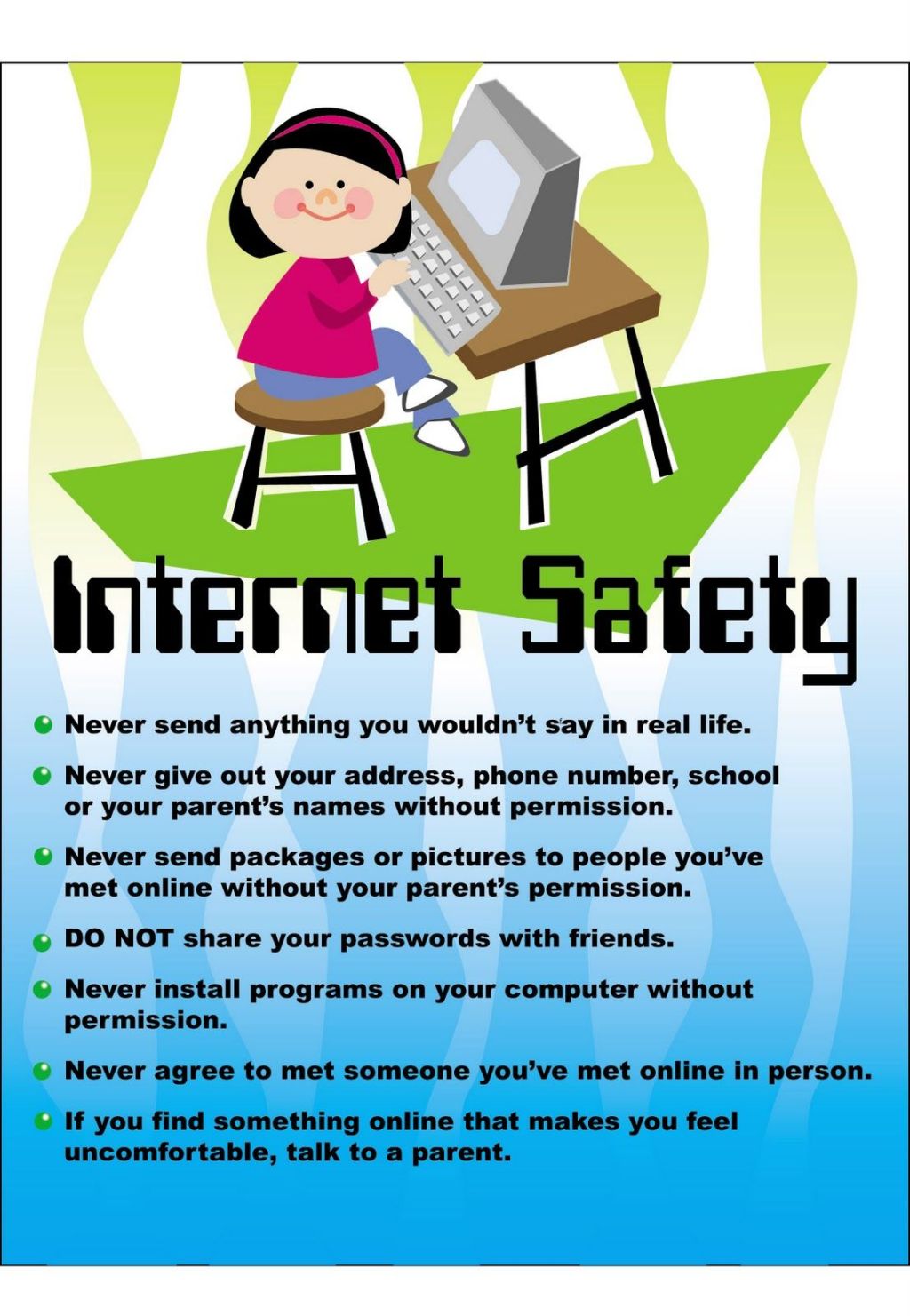
Online Safety and Digital Citizenship: Ensuring a Secure Virtual School Environment
Introduction:
In recent years, online education has become increasingly popular, with virtual schools offering students the opportunity to learn from the comfort of their own homes. While this alternative form of schooling provides numerous advantages, it also presents unique challenges in terms of online safety and digital citizenship. In this article, we will explore various aspects of ensuring a secure virtual school environment, including protecting personal information, promoting responsible online behavior, addressing cyberbullying concerns, and teaching digital literacy skills.
Protecting Personal Information:
One of the essential elements of online safety is safeguarding personal information. In a virtual school setting where interactions occur primarily through digital platforms, it becomes crucial for both educators and students to be cautious about sharing sensitive data. Here are some key strategies to ensure personal information security:
1. Student Privacy Policies: Virtual schools should establish clear student privacy policies that outline how personal data will be collected, used, stored, and protected. These policies should comply with applicable laws such as the Family Educational Rights and Privacy Act (FERPA) in the United States.
2. Secure Communication Channels: Educators must use encrypted communication channels when interacting with students to prevent unauthorized access or interception of sensitive information.
3. Strong Passwords: Encourage all users—students and teachers alike—to create strong passwords that include a mix of uppercase letters, lowercase letters, numbers, and symbols. Regularly remind them to update their passwords periodically.
4. Two-Factor Authentication (2FA): Implementing 2FA adds an extra layer of security by requiring users to provide additional proof beyond just their password when logging into accounts or systems.
Promoting Responsible Online Behavior:
Digital citizenship encompasses responsible online behavior within virtual school environments. Teaching students about proper conduct in their interactions fosters a positive learning experience while reducing potential risks associated with inappropriate actions. Here are some ways to promote responsible online behavior among students:
1. Digital Citizenship Curriculum: Incorporate a digital citizenship curriculum that educates students about online ethics, responsible social media usage, and appropriate behavior in virtual classrooms.
2. Netiquette Guidelines: Establish clear netiquette guidelines for virtual school interactions, emphasizing respectful communication, proper language use, and etiquette when collaborating on assignments or participating in discussions.
3. Cybersecurity Awareness Training: Provide regular cybersecurity awareness training to both students and educators to ensure they understand the importance of protecting personal information and maintaining secure online practices.
4. Critical Thinking Skills: Teach students how to critically evaluate online sources for reliability, credibility, and accuracy before using them as references in their work.
Addressing Cyberbullying Concerns:
Cyberbullying is a significant issue that can negatively impact students’ emotional well-being and academic performance. In the virtual school environment where interactions are predominantly digital, it becomes even more crucial to address cyberbullying effectively. Here are some strategies to combat cyberbullying:
1. Clear Anti-Bullying Policies: Virtual schools should have comprehensive anti-bullying policies explicitly addressing cyberbullying incidents. These policies should outline consequences for such behaviors and provide mechanisms for reporting incidents.
2. Anonymous Reporting Systems: Implement anonymous reporting systems that allow students to report instances of cyberbullying without fear of retaliation or judgment.
3. Educating Students: Conduct regular educational sessions highlighting the damaging effects of cyberbullying while teaching empathy and encouraging kindness among peers.
4. Timely Intervention: Virtual schools must promptly investigate reported cases of cyberbullying and take appropriate disciplinary action against perpetrators while providing support for victims.
Teaching Digital Literacy Skills:
Digital literacy skills are essential for navigating the online world safely and responsibly. Virtual schools must equip their students with these skills so they can effectively engage with digital content while being aware of potential risks involved. Here’s how we can promote digital literacy education:
1. Internet Safety Education: Integrate internet safety education into the curriculum, teaching students about online threats such as phishing scams, identity theft, and malware.
2. Media Literacy: Teach students how to critically analyze and evaluate digital media content for bias, accuracy, and credibility. This includes recognizing fake news and understanding the importance of reliable sources.
3. Privacy Awareness: Educate students about their rights to privacy online and how they can protect themselves from potential risks associated with oversharing personal information on social media platforms.
4. Online Research Skills: Guide students in developing effective research skills, including finding relevant information using search engines, evaluating website credibility, and correctly citing online sources.
Conclusion:
As virtual schools continue to gain popularity as an alternative form of education, ensuring a secure online environment becomes paramount. By focusing on protecting personal information, promoting responsible behavior, addressing cyberbullying concerns effectively, and teaching digital literacy skills, virtual schools can create a safe space for students to learn and thrive in the digital age. It is crucial for educators to prioritize these aspects of online safety and digital citizenship to provide a holistic educational experience while preparing students for a future that is increasingly interconnected through technology.
 Alternative Amie
Leave a comment