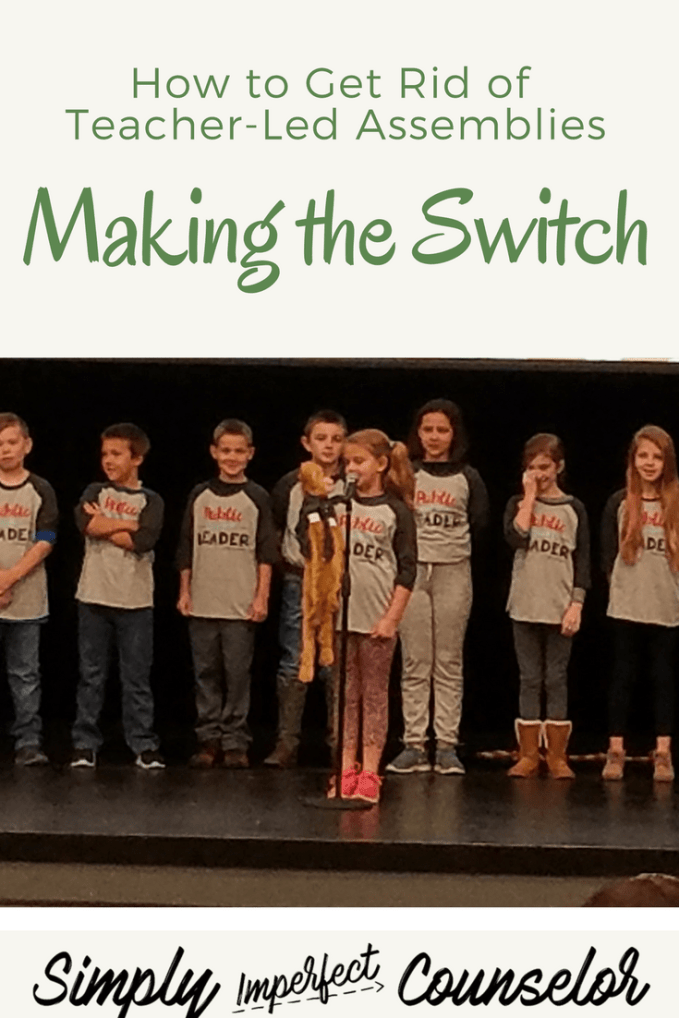
Student-Led Assemblies and Meetings: Empowering Students in Alternative Education
In traditional educational settings, students often find themselves passive recipients of information. They sit in rows of desks while teachers lecture at the front of the classroom, leaving little room for student engagement or active participation. However, alternative schools have emerged as a response to this outdated model, prioritizing student-led initiatives that foster empowerment and autonomy. One such initiative is student-led assemblies and meetings, which play a crucial role in shaping the educational experience within these unique environments.
At its core, a student-led assembly is an opportunity for students to gather together as a community and share their thoughts, concerns, and achievements. It provides them with a platform to voice their opinions on matters that affect their learning environment directly. Unlike traditional school assemblies where adults take center stage, alternative schooling puts students firmly in control.
These assemblies serve several important purposes. Firstly, they encourage open communication among peers by creating safe spaces where everyone’s voice is heard and respected. This not only promotes empathy but also enhances social skills like active listening and constructive feedback giving – essential life skills beyond the academic realm.
Secondly, student-led assemblies empower young individuals by involving them actively in decision-making processes within their school community. By participating in discussions on topics such as curriculum choices or extracurricular activities planning, students gain agency over their education journey. This sense of ownership fosters motivation and enthusiasm towards learning because they feel valued as contributors rather than mere spectators.
Moreover, these gatherings provide opportunities for skill development outside conventional academic subjects. For instance, some alternative schools organize workshops during assemblies where older students mentor younger ones on various practical aspects like public speaking or conflict resolution techniques – skills that are invaluable throughout one’s life.
Student-led meetings further complement these assemblies by enabling deeper collaboration between educators and learners alike. These meetings offer platforms for discussing individual learning goals or addressing challenges faced by both parties collectively—creating an inclusive and supportive environment where everyone feels heard and understood.
Additionally, student-led meetings facilitate the practice of self-reflection. When students take responsibility for evaluating their progress or sharing personal achievements, they develop a sense of accountability towards their own growth. This reflective process encourages goal setting and fosters a growth mindset among learners – an essential component for success in any educational journey.
Critics argue that student-led assemblies may lack structure or become chaotic if not properly facilitated. However, alternative education systems recognize this concern by implementing frameworks to ensure productive discussions while maintaining order within these gatherings. Teachers act as guides, providing guidance on respectful communication and facilitating decision-making processes when necessary.
In conclusion, student-led assemblies and meetings are integral components of alternative schooling systems that prioritize empowerment, autonomy, and active participation. By giving students a platform to voice their opinions, make decisions, collaborate with peers and educators alike, these initiatives foster an inclusive learning environment conducive to personal growth beyond academic excellence. In doing so, they equip young individuals with skills necessary for success in both educational settings and life beyond the classroom walls.
 Alternative Amie
Leave a comment