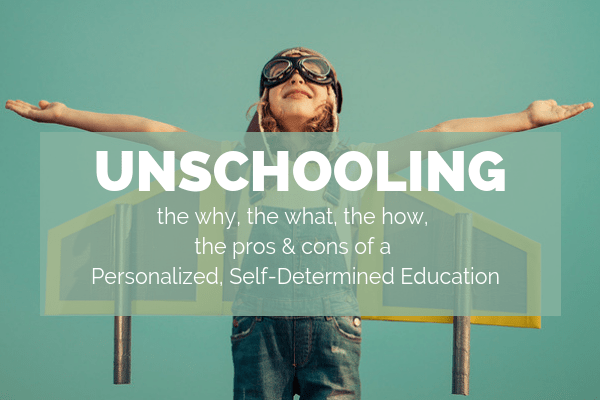
Unschooling: A Unique Approach to Education
In recent years, alternative forms of education have gained popularity among parents seeking a more personalized and flexible approach for their children. One such approach is called unschooling, which challenges the traditional notion of structured education by allowing children to learn through self-directed exploration and following their individual interests.
Unlike conventional schooling methods that follow a set curriculum and schedule, unschooling embraces the idea that children are naturally curious and motivated learners. It encourages them to pursue their passions and develop skills in areas they find most engaging. Unschoolers believe that authentic learning occurs when individuals have the freedom to explore subjects that truly resonate with them.
One of the key principles of unschooling is trust in a child’s innate ability to learn. Instead of relying on formal lesson plans or textbooks, unschooled students engage in real-life experiences, actively participating in activities that interest them. This can include anything from pursuing hobbies like painting or playing an instrument to exploring nature or delving into scientific experiments at home.
Unschooling also emphasizes the importance of learning from everyday life situations rather than confining education within classroom walls. For example, a trip to the grocery store becomes an opportunity for practical math skills as children compare prices or calculate discounts. Cooking together offers a chance for science lessons as they observe chemical reactions while preparing meals.
Critics argue that unschooling lacks structure and disciplinary measures necessary for academic progress. However, proponents contend that this freestyle learning method fosters independent thinking, creativity, problem-solving abilities, adaptability, and effective time management skills – all crucial traits for success in today’s dynamic world.
Another aspect often associated with unschooling is collaborative learning within communities outside traditional school settings. Homeschooled cooperatives provide opportunities for social interaction and group projects where students can exchange knowledge with peers who share similar interests.
Although there may be concerns about gaps in foundational knowledge typically covered in traditional schools, unschoolers argue that genuine curiosity and passion for learning will eventually lead to the acquisition of necessary skills. They believe that when children are genuinely interested in a subject, they will naturally seek out resources and information needed to delve deeper into it.
Unschooling is not without its challenges. Parents who choose this approach must be actively involved in their child’s education, providing guidance, support, and resources tailored to their interests. Additionally, families may face scrutiny from those who question the validity of an unconventional educational path.
However, for many families around the world, unschooling has proven to be a fulfilling and successful alternative to mainstream education. It allows children the freedom to explore their passions while developing critical thinking skills essential for lifelong learning.
In conclusion, unschooling offers a unique perspective on education by prioritizing individual interests over predetermined curricula. This approach encourages children to become independent learners driven by their innate curiosity rather than external expectations. While it may not be suitable for every family or student, unschooling provides an alternative path that fosters creativity, self-expression, and a love for lifelong learning.
 Alternative Amie
Leave a comment