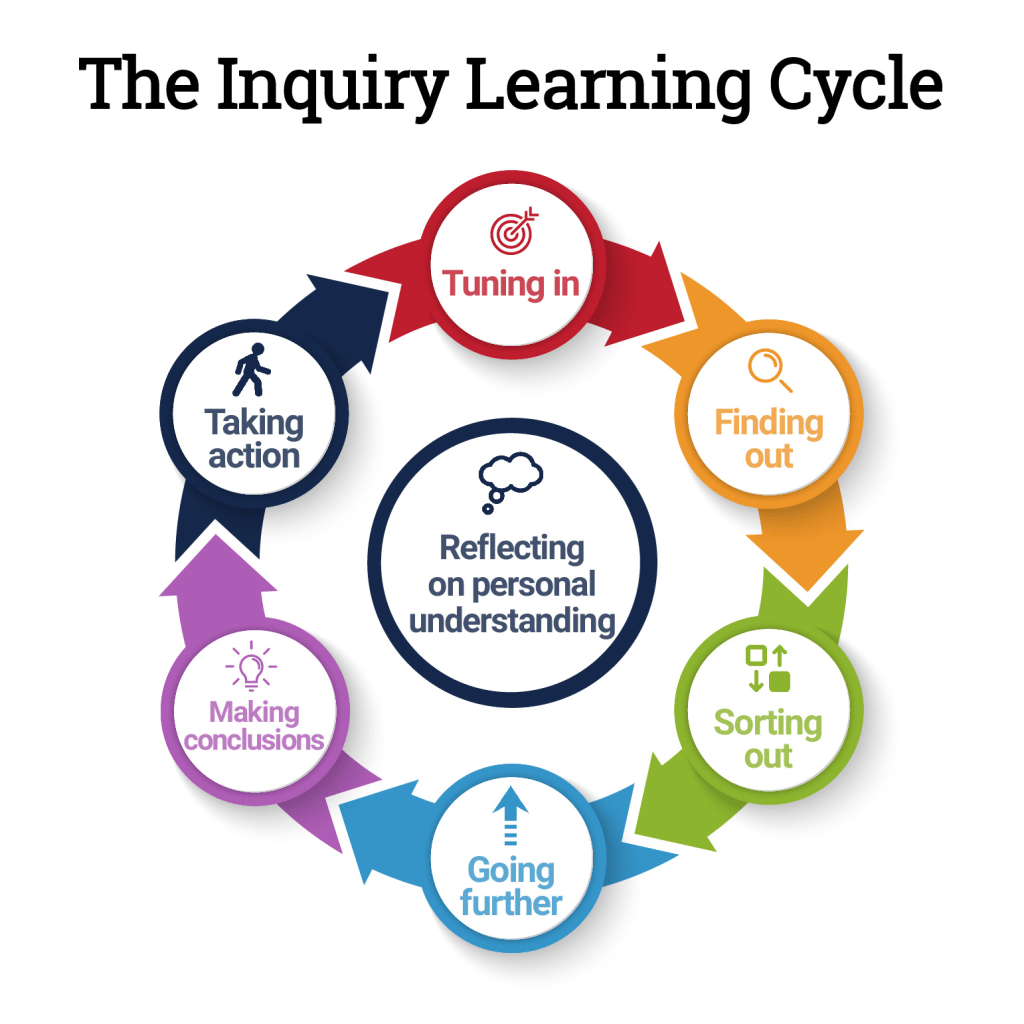
Inquiry-Based Learning: Nurturing Curiosity and Critical Thinking
In traditional education systems, the teacher assumes the role of knowledge provider while students passively receive information. However, alternative approaches to schooling have emerged in recent years that prioritize active student engagement and foster a love for learning. One such approach is inquiry-based learning, which shifts the focus from rote memorization to critical thinking and problem-solving skills.
What is Inquiry-Based Learning?
At its core, inquiry-based learning (IBL) is an educational method that encourages students to ask questions, investigate concepts, and develop their understanding through self-directed exploration. Rather than simply providing answers, teachers act as facilitators who guide students on their learning journey.
The IBL process begins with a thought-provoking question or problem posed by the teacher or student. This question serves as the foundation for investigation and guides subsequent research. Students then actively explore various sources of information – books, articles, videos – to gather data and evidence relevant to their query.
As they acquire knowledge about the topic at hand, students are encouraged to analyze and interpret this information critically. They must evaluate its credibility and relevance before integrating it into their existing understanding. This process not only deepens comprehension but also develops essential skills such as discernment, logical reasoning, and independent thinking.
Key Principles of Inquiry-Based Learning
1. Student-Centered Approach: In an inquiry-based classroom setting, students take ownership of their learning experiences. The curriculum is driven by their interests and curiosity rather than dictated entirely by predetermined objectives set by external authorities.
2. Active Engagement: IBL emphasizes active participation in the learning process over passive absorption of facts. Students become investigators who ask questions rather than passive recipients waiting for answers.
3. Critical Thinking Skills: Inquiry-based learning nurtures critical thinking abilities by promoting analysis, evaluation, interpretation of data/evidence instead of memorization without comprehension.
4. Collaboration: Collaboration plays a vital role in IBL. Students work together on projects, share findings, and engage in meaningful discussions. This fosters teamwork, communication skills, and the ability to consider multiple perspectives.
5. Reflection: Regular reflection is an integral part of inquiry-based learning. Students are encouraged to reflect on their progress and identify areas for improvement. This metacognitive practice enhances self-awareness and helps students monitor their own learning process.
Benefits of Inquiry-Based Learning
1. Curiosity as a Driving Force: IBL taps into children’s innate curiosity by encouraging them to ask questions about the world around them. By exploring these questions through research and experimentation, students become active participants in their own education.
2. Deeper Understanding: Rather than focusing solely on memorization or regurgitation of facts, inquiry-based learning promotes deep understanding of concepts through critical thinking and analysis. Students develop a holistic view of the subject matter by connecting new knowledge with existing understandings.
3. Lifelong Learning Skills: The skills developed through inquiry-based learning – critical thinking, problem-solving, independent research – are transferable beyond the classroom walls. These skills equip students to navigate complex situations throughout their lives and adapt to an ever-changing world.
4. Increased Motivation: When students have agency over their learning process, they tend to be more motivated and engaged with the material at hand. Inquirers take ownership of their education rather than passively waiting for instruction from teachers.
5. Real-World Application: Inquiry-based learning emphasizes practical application of knowledge acquired through investigation rather than rote memorization for exams alone. This enables students to see the relevance of what they learn in real-life contexts.
Implementing Inquiry-Based Learning
While implementing inquiry-based learning may require some adjustment from traditional approaches, there are several key strategies that can help educators successfully incorporate this method into their classrooms:
1. Thoughtful Planning: Teachers must carefully plan inquiries that align with curriculum objectives while still allowing for student choice and exploration. Providing a framework for investigations ensures that students are on track while still fostering their curiosity.
2. Creating a Safe Environment: An open and supportive classroom environment is crucial for inquiry-based learning to thrive. Students should feel comfortable asking questions, challenging ideas, and making mistakes without fear of judgment.
3. Teacher as Facilitator: Teachers play a critical role in guiding students throughout the inquiry process. Their role shifts from being knowledge providers to facilitators who pose thought-provoking questions, offer guidance, and help students develop research skills.
4. Scaffolded Support: As students embark on their inquiries, teachers can provide scaffolded support through mini-lessons or workshops on research methods, critical thinking strategies, or effective communication techniques.
5. Assessment Strategies: Traditional assessment methods may not align with the nature of inquiry-based learning. Instead of relying solely on tests or exams, teachers can use various formative assessment tools such as portfolios, presentations, or self-reflection journals to evaluate student progress.
Inquiry-Based Learning in Practice
Many schools around the world have successfully integrated inquiry-based learning into their educational models:
1. High Tech High (San Diego): High Tech High uses project-based learning rooted in inquiry to engage students in real-world problem-solving across various subjects.
2. Big Picture Learning Schools (USA): Big Picture Learning schools emphasize personalized education through internships and real-life experiences driven by student interests and passions.
3. Reggio Emilia Approach (Italy): The Reggio Emilia approach emphasizes child-led inquiry where educators act as collaborators rather than instructors while documenting children’s progress along the way.
Conclusion
Inquiry-based learning offers an alternative educational approach that prioritizes active engagement over passive absorption of information. By nurturing curiosity and critical thinking skills through self-directed investigations, this method empowers learners to become lifelong seekers of knowledge who can navigate complex challenges with confidence and adaptability.
As more educators embrace inquiry-based learning, traditional notions of education are being challenged. Students are no longer seen as empty vessels to be filled with knowledge but rather active participants in their own educational journey. Through inquiry-based learning, we can cultivate a generation of curious and critical thinkers who will shape the future with their passion for exploration and understanding.
 Alternative Amie
Leave a comment