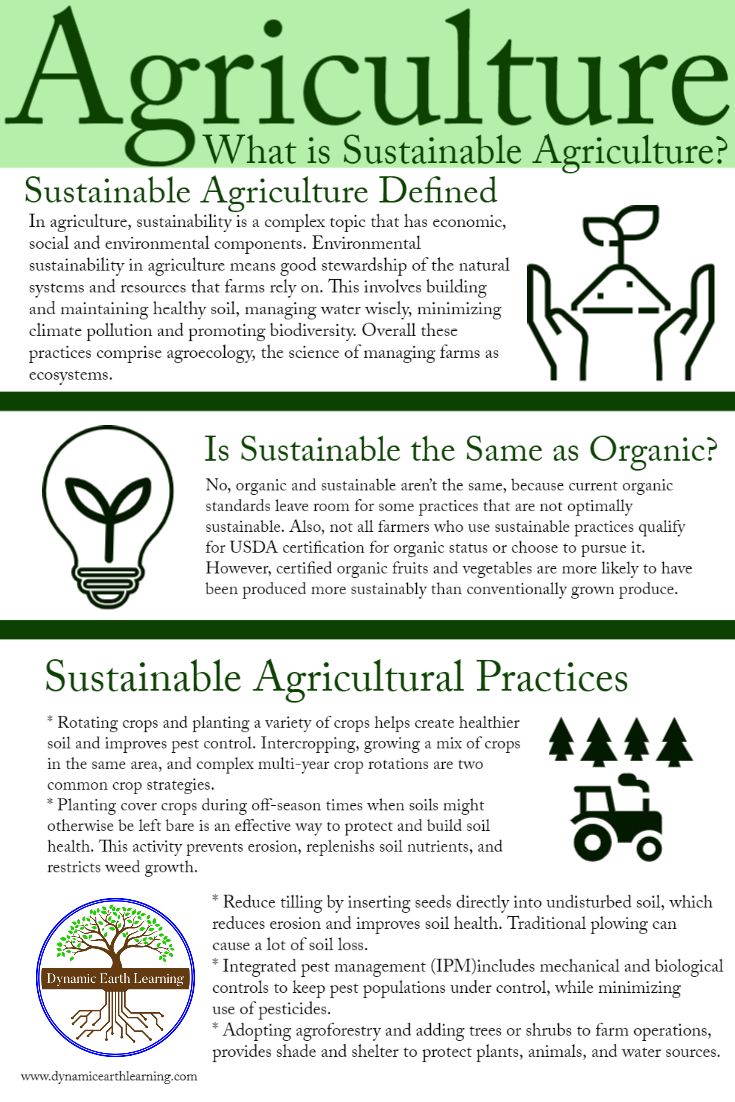
Sustainable Agriculture: Nurturing the Earth and Educating Future Generations
In recent years, there has been a growing movement towards sustainable agriculture, which focuses on nurturing the earth while producing healthy food for our communities. This practice not only benefits our environment but also offers valuable educational opportunities for future generations. Sustainable agriculture is rooted in principles that promote biodiversity, soil health, water conservation, and the responsible use of natural resources.
One key aspect of sustainable agriculture is organic farming. Organic farmers prioritize the use of natural fertilizers and pest control methods instead of synthetic chemicals. By avoiding harmful pesticides and genetically modified organisms (GMOs), organic farming helps protect both human health and the environment.
Educational institutions worldwide are recognizing the importance of incorporating sustainable agriculture into their curricula. Alternative schools are at the forefront of this movement by providing hands-on learning experiences through school gardens or farms. These initiatives offer students an opportunity to connect with nature, learn about plant life cycles, understand soil composition, and gain practical skills in growing their own food.
Beyond traditional academic subjects like biology or environmental science, sustainable agriculture fosters interdisciplinary learning. Students can explore topics such as nutrition and cooking using fresh produce from their gardens or hone their entrepreneurial skills by selling surplus crops at local farmers’ markets.
Additionally, sustainable agriculture provides a platform for teaching social responsibility and empathy towards other living beings. Students learn about animal welfare practices in livestock management systems designed to minimize stress on animals while ensuring high-quality products.
Moreover, engaging children in sustainable agricultural practices nurtures an appreciation for where food comes from while promoting healthier eating habits. It encourages them to make conscious choices about what they consume and reduces reliance on processed foods with negative environmental impacts.
By integrating sustainability into education systems through agricultural programs, we empower young minds to become informed citizens who understand ecological balance and take action towards creating a better future for everyone.
In conclusion, embracing sustainable agriculture not only benefits our planet but also offers valuable educational experiences. By nurturing the earth, we equip future generations with knowledge and skills to make informed choices about their food, protect the environment, and create a more sustainable future for all.
 Alternative Amie
Leave a comment