Coding: Empowering Alternative Education
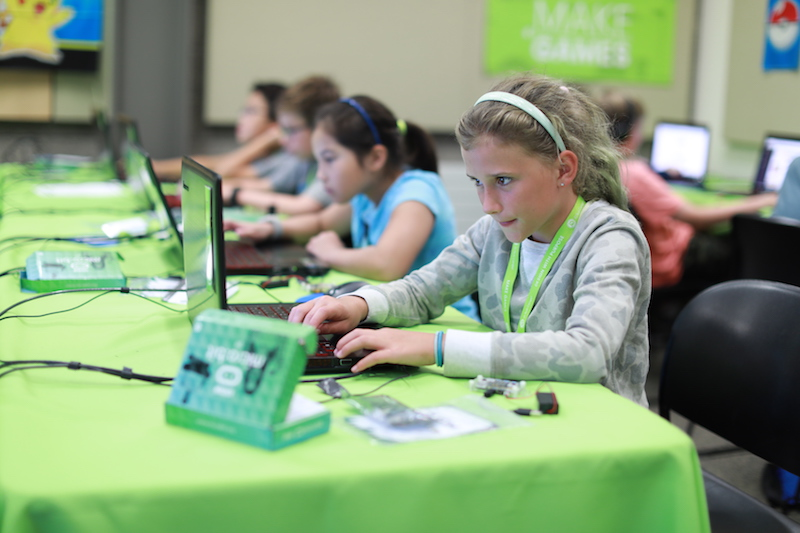
In today’s rapidly evolving digital world, coding has emerged as a crucial skill for individuals of all ages. Beyond its practical applications in the job market, coding offers unique benefits to alternative schooling and education. By integrating coding into their curriculum, alternative schools can provide students with an innovative learning experience that fosters creativity, problem-solving skills, critical thinking, and collaboration.
One of the key advantages of coding in alternative education is its ability to promote creativity. Coding allows students to express themselves through interactive projects and design solutions to real-world problems. Through programming languages like Scratch or Python, students can create their own games, websites, or even mobile apps. This hands-on approach not only enhances their technical skills but also encourages them to think outside the box and explore different possibilities.
Moreover, coding cultivates essential problem-solving abilities in students. As they encounter challenges while writing code or debugging errors in their programs, they learn how to break down complex problems into smaller components and find logical solutions step by step. This process develops analytical thinking skills that are invaluable across various disciplines.
Critical thinking is another fundamental skill fostered by coding in alternative education settings. In order to write efficient code that produces the desired outcome, students must analyze situations critically and develop algorithms accordingly. They learn how to anticipate potential issues and consider multiple factors before arriving at a final solution. These critical thinking skills acquired through coding can be applied beyond computer science-related fields.
Collaboration plays a vital role in modern workplaces across industries; therefore it is important for alternative schools to prepare students for this aspect of professional life as well. Coding provides an excellent avenue for collaborative work among students where they can share ideas and collectively work on projects such as building a website or developing software together using tools like GitHub or GitLab. Through these experiences, they not only improve their technical abilities but also enhance teamwork skills essential for success later on.
Furthermore, incorporating coding into alternative education can empower students to become active creators rather than passive consumers of technology. In today’s digital age, it is crucial for individuals to understand how technology works and be able to shape it according to their needs. By learning coding, students gain the ability to customize existing software or even create new technologies that align with their unique interests or problems they hope to solve.
Coding also equips students with a growth mindset – the belief that abilities can be developed through dedication and hard work. As coding often involves trial and error, students learn resilience by persisting in solving programming challenges despite initial failures. They develop patience and perseverance as they experiment with different approaches until they achieve success. This mindset becomes a valuable asset throughout their lives, encouraging them not only in technical endeavors but also in facing any obstacles that may come their way.
Lastly, coding fosters a deep understanding of computational thinking concepts which are essential for navigating our increasingly digital world. Students gain insights into algorithms, data structures, logic gates, and more – all of which underpin modern computing systems. This foundation allows them to better comprehend the technological advancements shaping society and make informed decisions about their interactions with technology.
In conclusion, coding has immense potential within alternative schooling and education settings. By embracing this vital skillset, schools can provide an innovative learning experience that empowers students creatively while developing problem-solving abilities, critical thinking skills, collaboration aptitude, a growth mindset, technological literacy and computational thinking concepts necessary for thriving in the future job market. It’s time for alternative schools to recognize the power of coding as an invaluable tool for holistic education.
 Alternative Amie
Leave a comment