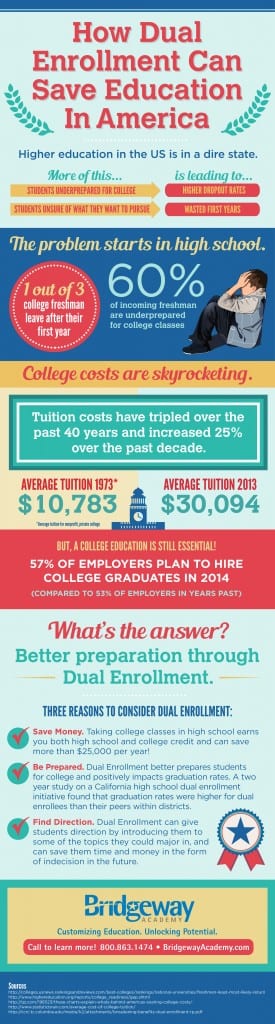
Dual enrollment options for students with learning disabilities have become increasingly popular in recent years. These programs allow high school students to take college-level courses while still enrolled in high school, giving them a head start on their college education. For students with learning disabilities, dual enrollment can provide unique benefits and opportunities.
One of the main advantages of dual enrollment for students with learning disabilities is that it allows them to experience the academic rigor and expectations of college before fully transitioning to higher education. This can help them develop important skills such as time management, organization, and self-advocacy that are crucial for success in college. By taking classes alongside their peers without disabilities, students with learning disabilities also have the opportunity to build confidence and realize that they are capable of succeeding academically.
Additionally, dual enrollment can have a positive impact on socialization and peer relationships for students with learning disabilities. By participating in college classes, these students have the chance to interact with a diverse group of peers, including both typically developing students and other individuals with disabilities. This exposure can help break down stereotypes and promote inclusivity within the classroom setting. It also provides an opportunity for social growth outside of traditional high school environments.
While many dual enrollment programs are available in urban areas or larger cities, there is growing recognition of the need to expand these opportunities to rural areas as well. Rural communities often face unique challenges when it comes to accessing higher education options due to limited resources or transportation barriers. However, by partnering with local community colleges or utilizing online platforms, schools in rural areas can offer dual enrollment programs that bridge this gap and provide valuable educational opportunities for their students.
Another group that can greatly benefit from dual enrollment programs is homeschooled students. Dual enrollment offers homeschooled students a chance to gain exposure to different teaching styles and subjects beyond what may be available through homeschooling curricula alone. It also gives them access to resources like libraries or laboratories that may not be easily accessible in a homeschooling environment. Dual enrollment can provide homeschooled students with a more well-rounded educational experience and help prepare them for the transition to college.
In conclusion, dual enrollment programs offer a range of benefits for students with learning disabilities, as well as other diverse groups such as rural students or homeschooled students. These programs can support academic growth, enhance socialization and peer relationships, and bridge gaps in access to higher education. As schools and communities continue to recognize the value of these opportunities, efforts should be made to ensure equitable access for all students and to address any barriers that may prevent full participation in dual enrollment programs.
 Alternative Amie
Leave a comment