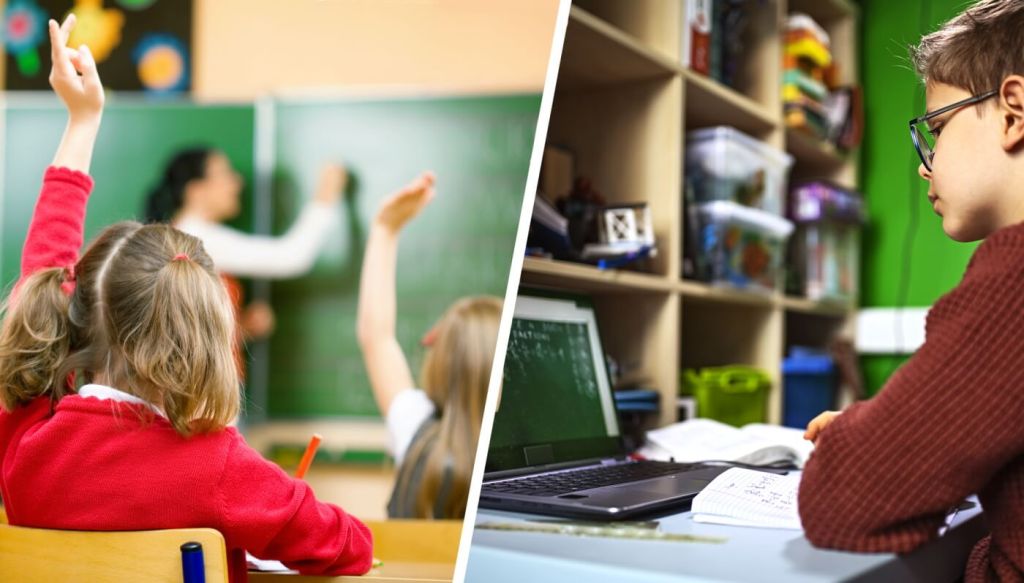
Blended Learning: A Revolutionary Approach to Education
In today’s rapidly evolving world, traditional education practices have been disrupted by technological advancements and changing student needs. As a result, alternative methods of learning have gained popularity, one of which is blended learning. Blended learning is an innovative approach that combines face-to-face instruction with online resources and interactions to create a more personalized and flexible educational experience for students. In this article, we will explore the origins, benefits, and challenges of blended learning.
Origins of Blended Learning
Blended learning has its roots in distance education, which dates back to the mid-19th century when correspondence courses were introduced. These early forms of remote learning allowed students to study independently through written materials exchanged via mail. Over time, technology such as radio and television enabled the delivery of audiovisual content to learners located far away from educational institutions.
The advent of computers and the internet in the late 20th century laid the groundwork for what would become modern-day blended learning. The integration of technology into classrooms began with computer-assisted instruction (CAI) programs that provided additional practice or tutorial support alongside traditional teaching methods.
In recent years, blended learning has experienced significant growth due to advancements in digital platforms and tools. With the rise of online courses and virtual classrooms, educators realized they could combine these technologies with face-to-face instruction to enhance student engagement and achievement.
Benefits of Blended Learning
Blended learning offers numerous advantages over traditional classroom-based approaches:
1. Personalization: By leveraging digital resources such as adaptive software or online assessments, educators can tailor instruction based on individual student needs. This flexibility allows students to progress at their own pace while receiving targeted support where it is most needed.
2. Flexibility: Blended learning provides students with greater control over their schedules by offering opportunities for self-paced online activities combined with scheduled face-to-face sessions. This flexibility caters to different learner preferences while accommodating extracurricular commitments or personal circumstances.
3. Enhanced engagement: Blended learning incorporates multimedia elements, interactive simulations, and gamified content to create a more engaging and immersive learning experience. This approach taps into students’ natural inclination towards technology, making the educational process more enjoyable and effective.
4. Expanded access: Blended learning breaks down geographical barriers by allowing students to access quality education regardless of their location. It enables remote learners to interact with expert teachers or participate in courses offered by institutions far beyond their reach.
5. Collaboration and communication: Online platforms facilitate collaborative projects, discussions, and peer-to-peer interactions, fostering teamwork skills essential for success in today’s interconnected world. Blended learning encourages active participation from all students while providing opportunities for shy individuals to contribute comfortably.
6. Real-world readiness: By incorporating online research skills, digital literacy development, and virtual field trips into the curriculum, blended learning equips students with the necessary competencies for the modern workplace where technology plays an integral role.
Challenges of Blended Learning
While blended learning offers significant advantages over traditional methods, it also presents several challenges that educators must address:
1. Technological infrastructure: The successful implementation of blended learning heavily relies on reliable internet connectivity and access to suitable devices like computers or tablets for both educators and students alike.
2. Teacher training: Educators need adequate professional development opportunities to become proficient in integrating technology effectively into their teaching practices while maintaining a balance between online activities and face-to-face instruction.
3. Student motivation: The autonomy provided by blended learning requires self-discipline and intrinsic motivation from students who may struggle without constant supervision or external accountability measures.
4. Equity concerns: Despite advancements in technology accessibility, socioeconomic disparities persist as not all students have equal access to devices or reliable internet connections at home. Schools must ensure equitable access to resources for all learners so that no one is left behind due to lack of technological capabilities outside the classroom setting.
5. Assessment and evaluation: Blended learning challenges traditional assessment methods that primarily focus on in-person interactions, making it necessary to develop new strategies to evaluate student progress accurately.
Overcoming these challenges requires a collaborative effort from educators, administrators, policymakers, and communities working together to ensure that blended learning is accessible and effective for all students.
The Future of Blended Learning
Blended learning has already made significant strides in transforming education globally. As technology continues to advance, we can expect further innovations in this field. Augmented reality (AR), virtual reality (VR), artificial intelligence (AI), and machine learning are just a few examples of emerging technologies that have the potential to revolutionize the way we learn.
AR and VR can provide immersive educational experiences by simulating real-world scenarios or historical events, enhancing student engagement and understanding. AI-powered adaptive software can offer personalized recommendations based on individual strengths and weaknesses while machine learning algorithms analyze large datasets to identify patterns in student performance for targeted interventions.
As blended learning evolves, it will be crucial for educators to continually adapt their teaching practices to harness the power of these technologies effectively while maintaining a human connection with their students. The integration of technology should complement rather than replace the role of teachers as facilitators of knowledge and mentors for students’ holistic development.
In conclusion, blended learning offers an exciting opportunity to combine the best aspects of face-to-face instruction with digital resources, empowering students with personalized education tailored to their needs. By overcoming technological barriers, providing adequate training for educators, addressing equity concerns, and reimagining assessment methods, blended learning has the potential to reshape education worldwide. With continued innovation in technology integration and pedagogical approaches within this domain, we can create a future where every learner has access to high-quality education regardless of geographical location or socioeconomic background.
 Alternative Amie
Leave a comment