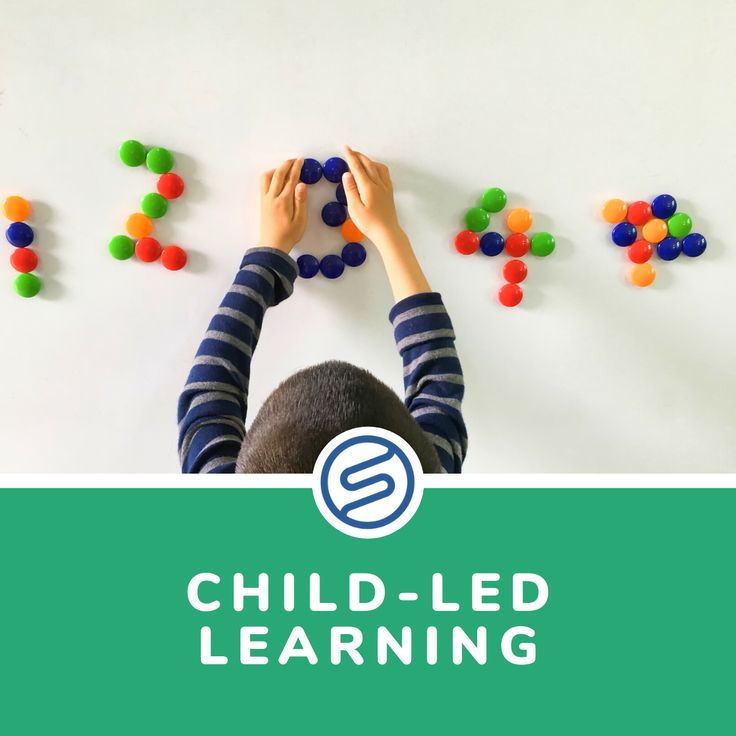
Child-led learning and socialization
One of the common misconceptions about child-led learning is that it hinders a child’s social development. Critics argue that without structured classrooms and traditional schooling environments, children may miss out on the opportunity to interact with their peers and develop crucial social skills. However, this assumption fails to recognize the numerous ways in which child-led education can foster socialization.
In child-led learning environments, children have the freedom to explore their own interests and passions. This often leads them to engage in activities that naturally involve interaction with others. For example, if a child is interested in building structures using blocks, they might collaborate with other children who share similar interests or seek guidance from more experienced individuals.
Furthermore, child-led education encourages independent thinking and problem-solving skills. When faced with challenges or obstacles during their self-directed projects or activities, children are motivated to seek help from others or work together collaboratively to find solutions. This fosters teamwork, communication, negotiation skills as well as empathy towards others’ perspectives.
Additionally, child-led learning provides opportunities for children to engage in community-based initiatives and real-world experiences. Whether it’s organizing a local charity event or participating in environmental conservation efforts within their neighborhood, these activities expose children to diverse groups of people while promoting civic engagement and responsibility.
While traditional schooling often segregates students by age group, alternative educational approaches like unschooling embrace mixed-age interactions. In this setting, older students can mentor younger ones through shared interests or areas of expertise. This not only enhances academic growth but also develops leadership qualities among older students while fostering respect and cooperation among all participants.
In conclusion, far from hindering social development – as some critics claim – child-led learning actually provides unique opportunities for rich socialization experiences. By allowing children to follow their own curiosities and take ownership of their education journey, they become active agents within their communities while developing essential life skills such as collaboration, communication, empathy, and leadership.
 Alternative Amie
Leave a comment