Personal narratives are a powerful tool for self-expression and reflection, allowing individuals to share their unique experiences and perspectives. In alternative schooling settings, personal narratives can play a crucial role in fostering student engagement and promoting self-awareness.
Fictional narratives, on the other hand, transport readers into imaginary worlds and encourage creativity and imagination. They allow students to explore different perspectives, cultures, and time periods through the lens of storytelling. Incorporating fictional narratives into alternative education can spark curiosity and inspire critical thinking skills.
Autobiographical narratives provide an opportunity for students to reflect upon their own lives, accomplishments, challenges, and growth. By sharing their personal stories with others in a supportive environment, students develop a sense of identity and learn from each other’s experiences.
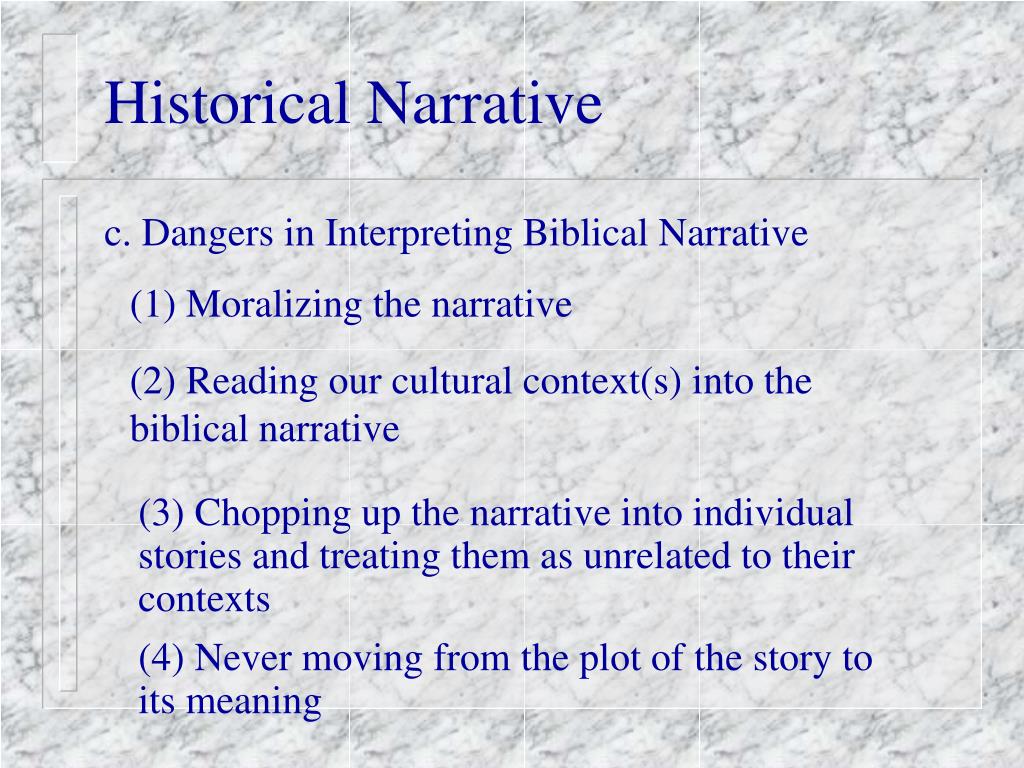
Historical narratives help students understand the past by presenting historical events in a narrative form. This approach makes history more relatable and engaging for learners as they connect emotionally with the characters involved.
Cultural narratives expose students to diverse voices, perspectives, traditions, values, beliefs within society. By exploring cultural narratives from various backgrounds through literature or oral stories in alternative schools’ curricula; it promotes empathy understanding among students.
Narrative therapy is an effective method used in alternative schooling that focuses on empowering individuals by helping them rewrite their life stories or reframe negative experiences positively. It encourages resilience building while enabling emotional healing.
Narrative approaches to learning teach problem-solving skills by encouraging students to analyze situations from multiple angles using storytelling techniques such as plot development or character analysis.
Storytelling plays a vital role in alternative education as it engages learners at both cognitive and emotional levels. It helps them make connections between concepts taught in class while developing communication skills essential for future success.
Using narrative assessment techniques allows educators to track student progress effectively beyond traditional tests or exams. These assessments focus on evaluating individual growth over time rather than solely measuring content knowledge acquisition.
To foster creativity and imagination among students; teachers can incorporate narratives into various subjects, such as science or math. This approach encourages students to think outside the box and find innovative solutions to problems.
Narrative-based curriculum design in alternative schools ensures that students are active participants rather than passive recipients of knowledge. By incorporating their voices and interests into the curriculum, it promotes student engagement and ownership of learning.
Incorporating diverse voices and perspectives in narrative assessments is crucial for creating inclusive educational environments. It allows students from different backgrounds to share their stories authentically while valuing their unique experiences.
Digital storytelling provides a platform where students can combine multimedia elements like images, videos, or music with written or spoken narratives. It enhances creativity, digital literacy skills, and helps develop effective communication skills needed in today’s digital world.
Integrating technology into narrative-based education practices enables educators to leverage digital tools for creating interactive storytelling experiences. This approach facilitates collaboration among students while fostering critical thinking skills necessary for navigating a technology-driven society.
Oral storytelling has been an integral part of human culture since ancient times. In alternative schooling settings, oral storytelling not only develops listening skills but also engages learners emotionally by immersing them in the power of words spoken aloud.
Collaborative narrative projects promote student engagement and teamwork as they work together to create shared stories. This approach fosters social interaction while nurturing creativity and problem-solving abilities within a group setting.
Using narrative assessments to promote social-emotional learning is essential for holistic development among students. By evaluating emotional intelligence alongside academic progress; educators can support learners’ overall well-being effectively.
Reflective writing serves as a form of narrative assessment that allows students to express their thoughts on personal growth or challenges faced during the learning process critically. It promotes self-reflection and metacognitive awareness among learners.
Multimodal approaches involve combining different forms of expression, such as visual art or performance arts with written narratives. These assessments encourage creativity while accommodating diverse learning styles within alternative education settings.
Assessing critical thinking skills through narrative analysis allows educators to evaluate students’ ability to analyze, interpret, and synthesize information within a narrative context. This approach fosters higher-order thinking skills necessary for problem-solving in real-life situations.
Personal narratives have a significant impact on student motivation and self-esteem. By sharing their stories and being heard, students feel valued, leading to increased confidence and a sense of belonging within the alternative schooling community.
Supporting English language learners (ELLs) through narrative assessments helps them develop language proficiency while building cultural competency. It provides an avenue for ELLs to express themselves in a supportive environment that values their unique linguistic backgrounds.
Narrative-based interventions can be particularly beneficial for students with special needs or disabilities. These interventions provide opportunities for expression, empowerment, and personal growth tailored to individual strengths and challenges.
Ethical considerations are crucial when conducting narrative assessments as they involve sharing personal experiences. Educators must ensure confidentiality, consent, and respect for diverse perspectives while maintaining a safe learning environment.
The connection between narrative assessments and college/career readiness lies in the development of essential skills such as communication, critical thinking, creativity; which are highly sought after by employers or colleges/universities alike.
In conclusion, narratives play a vital role in alternative education practices by fostering engagement, creativity, empathy; promoting self-reflection and empowering students. Through various forms such as personal narratives or fictional storytelling; educators can facilitate holistic development among learners while providing meaningful assessment opportunities that go beyond traditional measures of success.
 Alternative Amie
Leave a comment