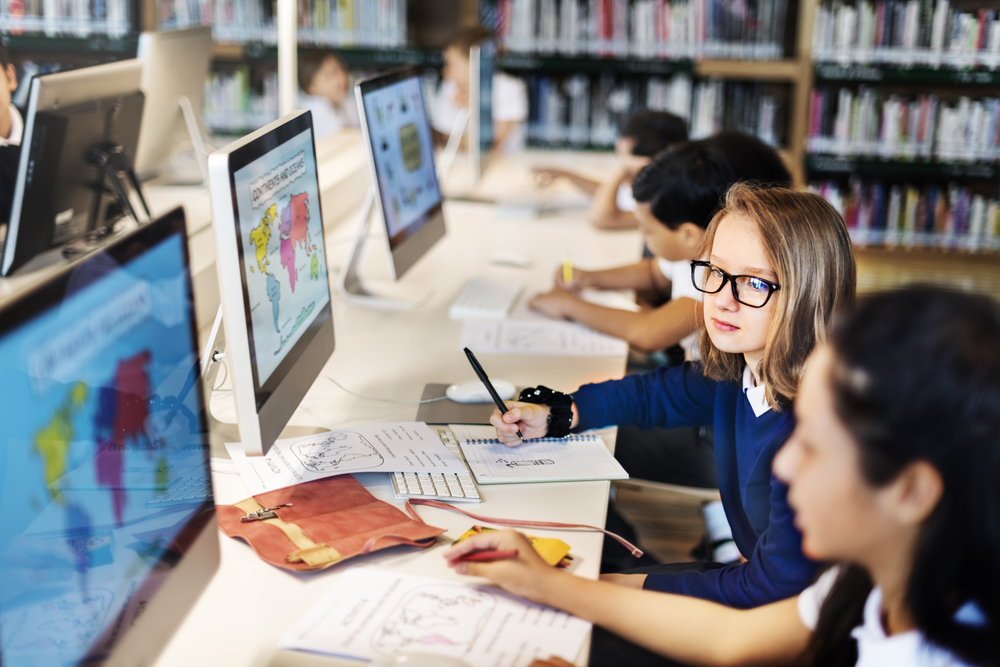
Incorporating technology into the curriculum of a multiage classroom is an innovative approach that can enhance learning experiences for students of various ages and abilities. By integrating technology, educators can create dynamic and engaging lessons that cater to individual learning styles while promoting collaboration, critical thinking, and problem-solving skills. In this article, we will explore some effective strategies for incorporating technology into a multiage classroom.
1. Differentiated Instruction:
One of the key advantages of using technology in a multiage classroom is the ability to differentiate instruction based on each student’s needs and abilities. Online platforms and educational software provide opportunities for personalized learning experiences. Teachers can assign different tasks or activities to students according to their skill levels or interests, allowing them to progress at their own pace.
2. Project-Based Learning:
Technology offers endless possibilities for project-based learning in a multiage setting. Students can use online tools such as presentation software, video editing programs, or coding platforms to collaborate on projects that address real-world problems. For example, students from different age groups can work together on creating documentaries about environmental issues or developing websites for local community organizations.
3. Virtual Field Trips:
Bringing the world into the classroom has never been easier with virtual field trips. Using video conferencing tools like Zoom or Google Meet, teachers can connect with experts from various fields who may be located anywhere in the world. This allows students to engage in interactive discussions with professionals without leaving their desks – saving time and resources while broadening their horizons.
4. Flipped Classroom Approach:
The flipped classroom model involves students watching instructional videos or completing reading assignments at home before coming to class where they engage in hands-on activities related to the content learned online. This approach works particularly well in a multiage classroom because it allows students of varying abilities and interests to access information tailored explicitly for them.
5. Collaborative Learning Platforms:
Technology enables easy collaboration among students through digital platforms such as Google Docs, Padlet, or Edmodo. These tools allow students to work together on projects, share ideas, provide feedback, and learn from each other’s perspectives. Collaborative learning not only fosters teamwork but also enhances communication and problem-solving skills.
6. Adaptive Learning Software:
Adaptive learning software is designed to customize the learning experience for each student by adjusting the difficulty level of content based on their performance. This technology can be particularly beneficial in a multiage classroom where students have different skill levels. Adaptive software tracks individual progress and provides targeted support to ensure that every student is appropriately challenged.
7. Coding and Robotics:
Introducing coding and robotics into the curriculum can nurture critical thinking skills while promoting creativity and problem-solving abilities among students of all ages. Platforms like Scratch or Tynker offer user-friendly interfaces that allow even young learners to create interactive stories, games, or animations through coding. Similarly, robotics kits such as Lego Mindstorms enable students to design and program robots that perform various tasks.
8. Digital Portfolios:
Digital portfolios are an excellent way for students to showcase their work over time while reflecting on their growth as learners. By using online platforms like Seesaw or Google Sites, teachers can guide students in curating a collection of their best work samples across different subjects and grade levels. Digital portfolios encourage self-reflection and help foster a sense of ownership over one’s educational journey.
In conclusion, incorporating technology into the curriculum of a multiage classroom offers numerous benefits for both educators and students alike. By leveraging technology tools strategically, teachers can personalize instruction according to each student’s needs while fostering collaboration and critical thinking skills among diverse groups of learners. As we continue advancing technologically in education, it becomes increasingly important for educators to embrace these innovative approaches that cater effectively to the needs of today’s multiage classrooms
 Alternative Amie
Leave a comment