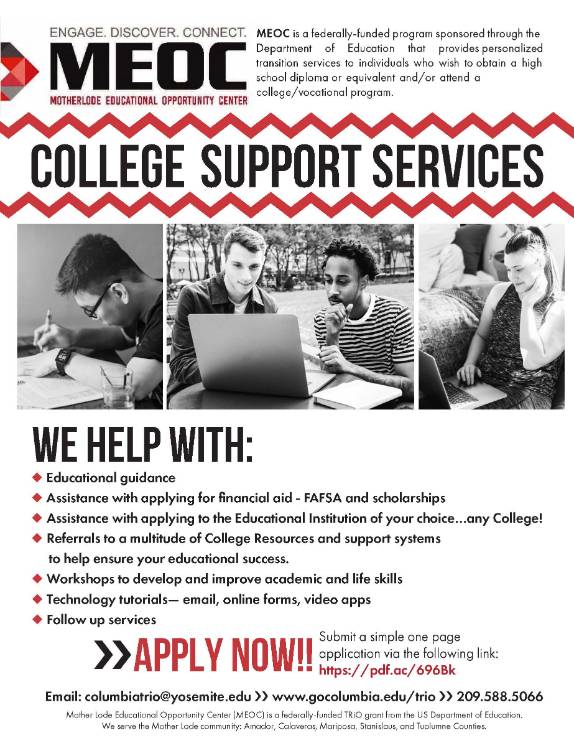
Early College Support Services: Nurturing Success from the Start
Introduction:
The transition from high school to college can be a daunting experience for many students. The increased academic rigor, new social dynamics, and unfamiliar campus environment can often leave young adults feeling overwhelmed and ill-equipped to handle the challenges that lie ahead.
Recognizing the need for additional support during this crucial period, many educational institutions have implemented early college support services. These programs are designed to provide students with the tools and resources they need to thrive academically, emotionally, and socially in their college journey. In this article, we will explore some of these valuable support services and highlight their benefits.
1. Academic Advising:
One indispensable early college support service is academic advising. Students are paired with dedicated advisors who help them navigate through course registration, degree planning, and academic goal-setting. These advisors offer guidance on selecting appropriate classes based on individual interests and career aspirations while also ensuring that students meet all necessary prerequisites. Regular check-ins throughout each semester allow advisors to monitor progress and address any concerns promptly.
2. Tutoring Programs:
Another critical component of early college support services is tutoring programs. Recognizing that some students may require extra assistance in certain subjects or struggle with specific learning styles, colleges offer various tutoring options tailored to individual needs. This may include one-on-one sessions with experienced tutors or group study sessions facilitated by upperclassmen who excel in particular subjects.
Tutoring programs not only enhance students’ understanding of subject matter but also foster a sense of community as peers come together to collaborate on assignments and share knowledge.
3. Writing Centers:
Effective written communication is essential for success in academia across disciplines. Recognizing this need, many colleges provide writing centers staffed by trained professionals who assist students at any stage of the writing process – from brainstorming ideas to revising final drafts.
These centers serve as safe spaces where aspiring writers can receive constructive feedback on their work, refine their writing skills, and gain confidence in expressing themselves effectively. The support offered by writing centers extends beyond academic papers to cover personal statements, resumes, and other professional documents.
4. Counseling Services:
College life can be stressful, and many students face challenges that extend beyond the classroom. To address mental health concerns and emotional well-being, counseling services are an indispensable part of early college support programs.
Counselors provide a safe and confidential environment where students can discuss any personal or emotional issues they may be experiencing. These professionals offer guidance on managing stress, improving time management skills, building healthy relationships, and coping with the pressures of college life.
5. Career Development:
Preparing for a successful future is another critical aspect of early college support services. Colleges often offer career development resources such as job fairs, internship opportunities, networking events, resume workshops, and mock interviews.
These resources help students explore potential career paths aligned with their interests and abilities while also providing practical skills needed to navigate the job market successfully after graduation.
Conclusion:
Early college support services play a vital role in ensuring student success during the transition from high school to higher education. By offering academic advising, tutoring programs, writing centers,counseling services,and career development resources,colleges empower students to overcome obstacles,enrich their learning experiences,and build a solid foundation for future success.These essential support systems not only ease the transition into college life but also foster personal growth,intellectual curiosity,and resilience among young adults.Taking advantage of these invaluable resources allows students to make the most out of their collegiate journey from day one
 Alternative Amie
Leave a comment