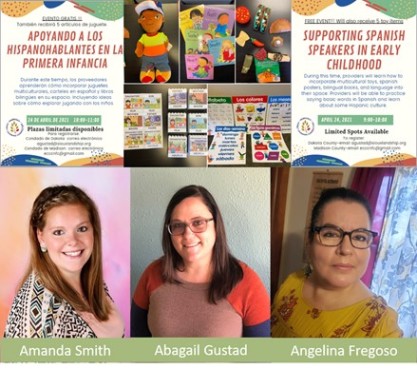
Community partnerships play a crucial role in promoting and enhancing bilingual education. In today’s globalized world, the ability to speak multiple languages is becoming increasingly important for personal, academic, and professional success. By fostering collaborations between schools and various community organizations, we can create a supportive environment that empowers students to develop their language skills while also immersing themselves in different cultures.
One of the key benefits of community partnerships in bilingual education is the opportunity for authentic language practice. While classroom learning provides a foundation for language acquisition, real-life interactions with native speakers are invaluable. Community organizations such as cultural centers, ethnic associations, or local businesses can serve as platforms where students can engage in meaningful conversations with individuals fluent in the target language. This not only helps improve their linguistic abilities but also exposes them to diverse perspectives and cultural nuances.
Additionally, community partnerships offer unique resources that may not be available within school walls. Public libraries often have extensive collections of books written in different languages that students can borrow for further reading practice. Museums frequently organize exhibits showcasing art or artifacts from other countries, providing opportunities for students to explore foreign cultures firsthand. These external resources complement classroom instruction and enrich the overall learning experience.
Furthermore, community partnerships foster connections between schools and families from diverse linguistic backgrounds. Parents play an essential role in supporting their child’s bilingual journey; however, they may face challenges if they are not proficient in the second language being taught at school. Collaborating with community organizations allows educators to provide workshops or informational sessions specifically designed for parents who want to actively participate in their child’s language development. This engagement strengthens family-school relationships and creates a cohesive support system for bilingual learners.
Another advantage of community partnerships is the potential for internships or mentorship programs aimed at high school or college students studying linguistics or education-related fields. Partnering with universities or colleges enables aspiring teachers to gain practical experience by observing classrooms or assisting teachers during lessons focused on bilingual education. This collaboration not only benefits the students pursuing a career in education but also provides additional support to language learners by having more adults available to guide and mentor them.
Moreover, community partnerships can facilitate meaningful cultural exchanges within the school environment. Local community members who are native speakers of a particular language can be invited as guest speakers or workshop facilitators, sharing their experiences and knowledge with students. These interactions foster an appreciation for different cultures and encourage students to embrace diversity. Celebrating multicultural events or organizing language immersion camps are other ways that communities can actively contribute to bilingual education initiatives.
In order to establish successful community partnerships, it is important for schools to proactively reach out and collaborate with relevant organizations. Building relationships based on mutual trust and respect is key. Schools should identify potential partners aligned with their educational goals and values, ensuring they have common objectives in promoting bilingualism and multicultural understanding.
Furthermore, maintaining open lines of communication between schools, community organizations, parents, and students is crucial for sustaining these partnerships over time. Regular meetings or forums can be organized where stakeholders come together to discuss progress, challenges faced, and future plans. By working together collaboratively, all parties involved can contribute their unique perspectives towards improving bilingual education opportunities.
In conclusion, community partnerships significantly enhance bilingual education by providing authentic language practice opportunities, access to external resources, fostering family-school connections, supporting aspiring educators’ development while mentoring students themselves enhancing cultural exchange within the school environment. Establishing strong ties with local organizations ensures that schools have access to valuable resources beyond classroom walls while creating a supportive network that nurtures linguistic development in both academic settings and real-life contexts. By embracing these collaborations wholeheartedly at all levels – from individual classrooms to district-wide initiatives – we pave the way for more inclusive educational experiences that empower our youth for success in an increasingly interconnected world.
 Alternative Amie
Leave a comment