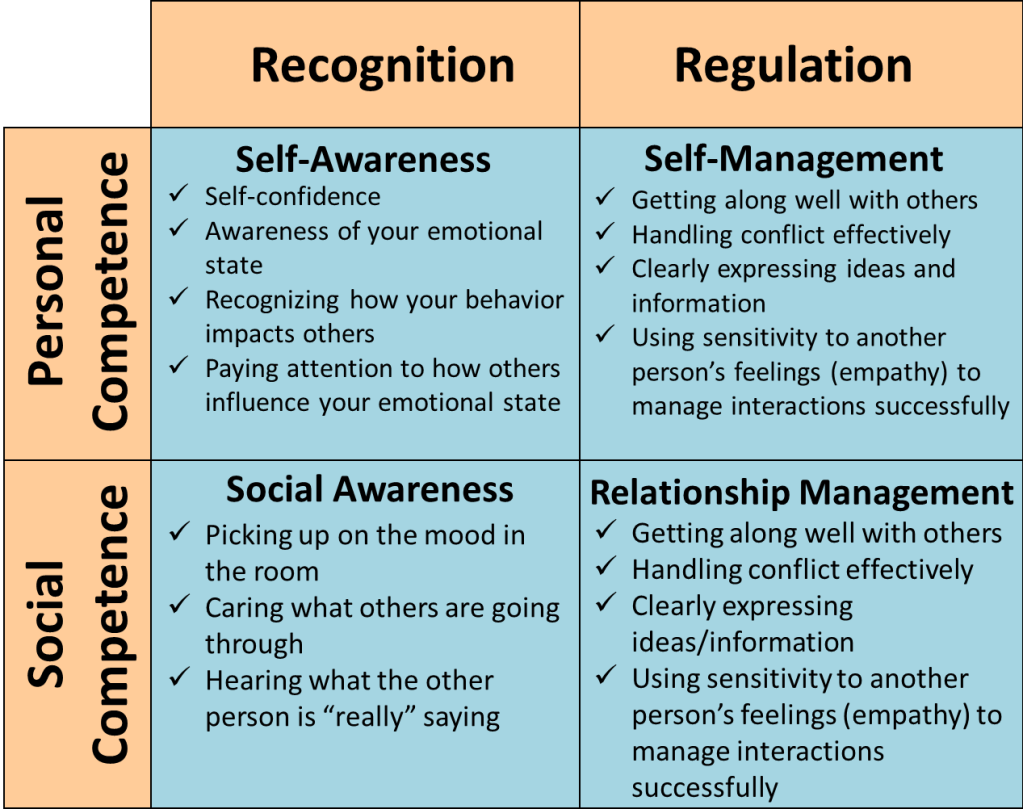
Emotional intelligence, often referred to as EQ, is a crucial skill that goes beyond traditional academic knowledge. It encompasses our ability to understand and manage our own emotions, as well as recognize and empathize with the emotions of others. While traditional education focuses primarily on intellectual development, alternative schooling and education models emphasize the importance of emotional intelligence in fostering personal growth, social relationships, and overall well-being.
In recent years, there has been a growing recognition of the significance of emotional intelligence in various aspects of life. Research has shown that individuals with high EQ tend to have better mental health outcomes, stronger interpersonal relationships, and greater success in their careers. In fact, studies have found that EQ can be more important than IQ when it comes to achieving success and satisfaction in life.
One key aspect of emotional intelligence is self-awareness – the ability to recognize and understand our own emotions. By developing self-awareness, we become more attuned to our feelings and can better identify what triggers certain emotions within us. This awareness allows us to respond rather than react impulsively or unconsciously in challenging situations.
Alternative schooling and education approaches often prioritize activities that promote self-reflection and introspection. Through practices such as journaling or mindfulness exercises, students are encouraged to explore their thoughts and feelings without judgment. This process helps them gain a deeper understanding of themselves while also fostering compassion towards their own experiences.
Another crucial component of emotional intelligence is self-regulation – the ability to manage one’s emotions effectively. This involves recognizing when we are experiencing strong negative emotions such as anger or frustration and finding healthy ways to cope with them.
In alternative educational settings where emotional intelligence is valued, students are taught strategies for regulating their emotions constructively. They learn techniques like deep breathing exercises or engaging in physical activities like yoga or meditation that can help calm their minds during moments of stress or anxiety.
Moreover, educators play a vital role in creating an emotionally supportive environment where students feel safe expressing their emotions. By modeling emotional regulation and providing guidance on conflict resolution, educators can empower students to navigate challenging situations in a constructive manner.
Empathy is another critical aspect of emotional intelligence. It involves the ability to understand and share the feelings of others. Empathetic individuals are more likely to form strong social connections, as they can relate to and validate the experiences of those around them.
Alternative schooling models often emphasize collaborative learning environments where empathy is encouraged. Through group projects, discussions, and team-building activities, students develop interpersonal skills that foster empathy and understanding. They learn how to listen actively, respect diverse perspectives, and offer support when needed.
Teaching empathy also extends beyond the classroom walls. In alternative educational settings, community service or volunteering opportunities are often incorporated into the curriculum. These experiences allow students to engage with people from different backgrounds and develop a deeper appreciation for diversity while cultivating their empathic abilities.
Effective communication is yet another vital skill interconnected with emotional intelligence. It involves both verbal and nonverbal cues that convey our thoughts, feelings, and intentions accurately. Developing strong communication skills enhances relationships by reducing misunderstandings and fostering effective collaboration.
In alternative education models that prioritize emotional intelligence development, communication skills are explicitly taught through various activities such as role-playing exercises or debates. Students learn how to express themselves assertively yet respectfully while actively listening to others’ perspectives without judgment or interruption.
Moreover, digital literacy plays an essential role in today’s increasingly connected world. Alternative schooling approaches recognize this importance by incorporating lessons on responsible online behavior – teaching students about cyberbullying prevention, privacy protection measures online reputation management.
By integrating emotional intelligence into education systems at all levels – from elementary school through higher education – we equip individuals with essential life skills necessary for personal growth and success in today’s complex world.
Furthermore, research has shown that individuals who possess high EQ tend to be more resilient in dealing with setbacks or failures compared to those who lack emotional intelligence. They are better equipped to bounce back from challenges, adapt to change, and maintain a positive attitude in the face of adversity.
In conclusion, emotional intelligence is a crucial skill that complements traditional academic knowledge and plays a significant role in personal growth, social relationships, and overall well-being. Alternative schooling and education models recognize its importance by incorporating activities that promote self-awareness, self-regulation, empathy, effective communication skills, and digital literacy. By integrating emotional intelligence into education systems at all levels, we empower individuals with the tools needed to thrive in today’s rapidly changing world.
 Alternative Amie
Leave a comment