Open educational resources (OER) have gained significant popularity in recent years, promising to revolutionize the way we teach and learn. These freely accessible materials are a boon for both educators and students, offering a wealth of knowledge at no cost. However, like any new venture, implementing OER is not without its challenges.
One of the main hurdles is finding suitable content that aligns with the curriculum. While there is an abundance of OER available online, it can be overwhelming for teachers to sift through and find materials that meet their specific requirements. Additionally, ensuring the accuracy and credibility of these resources can be a daunting task. With anyone able to contribute content online, there is a risk of misinformation or outdated material permeating OER platforms.
Another challenge lies in adapting OER to suit different learning styles and abilities. Education is not one-size-fits-all, and teachers often need to modify materials to cater to their diverse classroom needs. While OER provides flexibility compared to traditional textbooks, customization still requires time and effort from educators.
Furthermore, technology infrastructure poses another obstacle in implementing OER effectively. Many schools still lack adequate internet access or devices for every student. Without reliable connectivity and appropriate hardware, accessing digital resources becomes challenging if not impossible.
Additionally, continuous updates pose a challenge for teachers using OER as they need to keep up with changes in content or links breaking over time due to copyright issues or platform modifications.
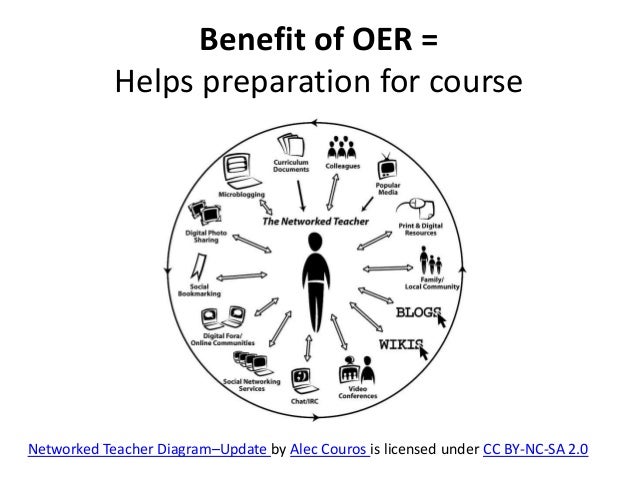
Despite these challenges, open educational resources offer numerous benefits that cannot be ignored. Beyond providing cost-effective alternatives to expensive textbooks, they encourage collaboration among educators globally by fostering sharing best practices and innovative teaching methods.
Moreover, integrating real-world examples into lessons becomes easier with access to relevant OER material across various disciplines beyond traditional textbooks’ limitations. This broadens students’ horizons while making learning more engaging.
In conclusion, while implementing open educational resources may present some obstacles such as finding suitable content aligned with the curriculum or adapting to different learning styles, the benefits far outweigh the challenges. With proper support and investment in technology infrastructure, OER has the potential to reshape education by providing equitable access to quality resources for all learners.
 Alternative Amie
Leave a comment