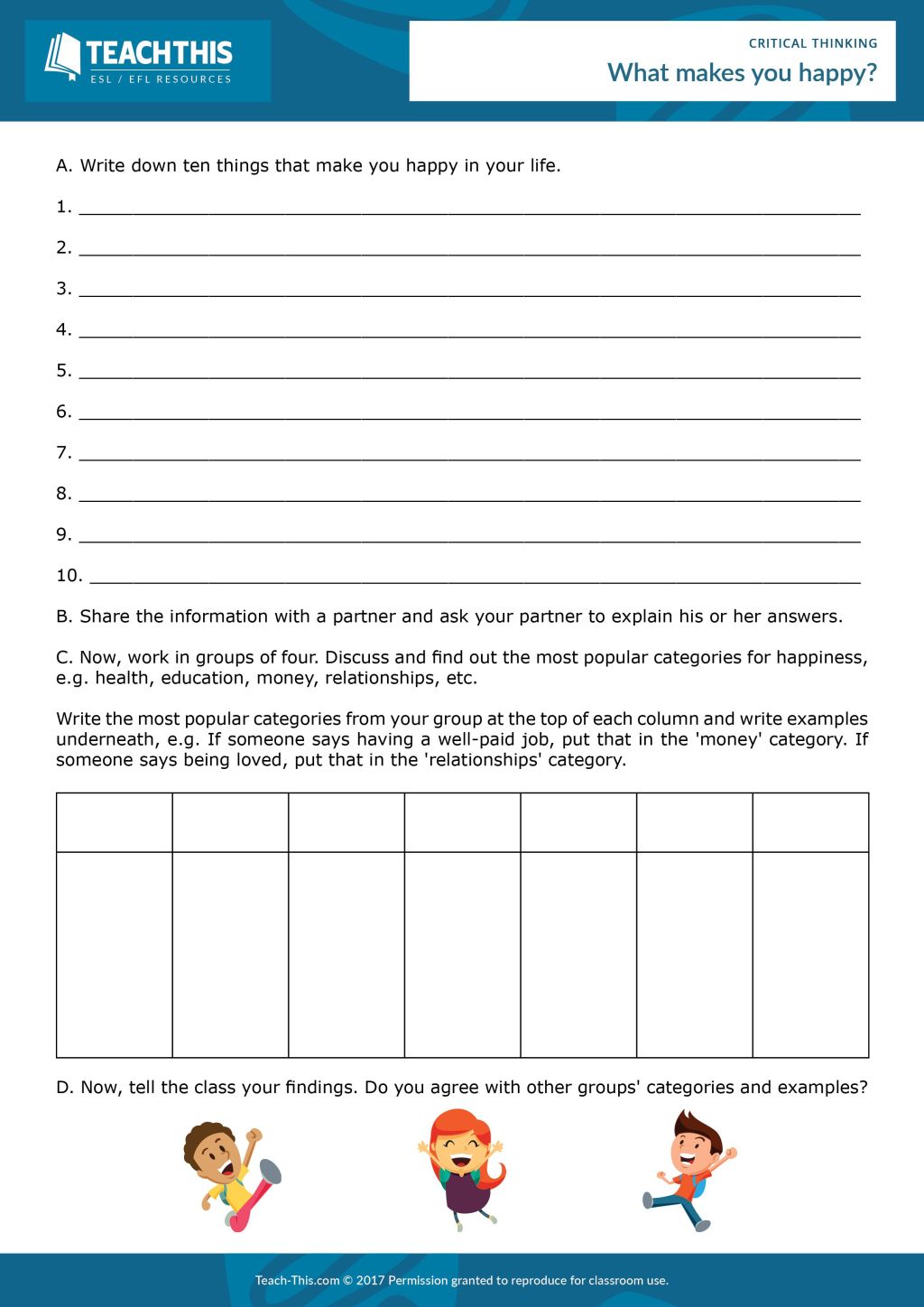
Developing Critical Thinking and Problem-Solving Skills through Homeschooling
Education is a fundamental aspect of every individual’s life. It shapes our understanding of the world, equips us with essential skills, and prepares us for future challenges. While traditional schooling has been the norm for centuries, alternative approaches to education have gained significant popularity in recent years. One such method is homeschooling – an educational system where parents take on the responsibility of teaching their children at home.
Homeschooling offers numerous advantages, allowing parents to tailor their child’s education according to their specific needs and interests. One of the most significant benefits is the opportunity it provides for developing critical thinking and problem-solving skills. In this article, we will explore how homeschooling can foster these vital abilities in students.
1. Individualized Learning:
In a traditional classroom setting, teachers often face numerous challenges when catering to the diverse needs of students. With large class sizes and limited resources, it becomes challenging to provide personalized attention to each child. However, homeschooling allows parents to create tailored lesson plans based on their child’s unique learning style and pace.
By customizing educational experiences, homeschoolers can focus on nurturing critical thinking skills while addressing any weaknesses or gaps in knowledge that may hinder problem-solving abilities. Students are encouraged to think independently and engage actively with subjects they find fascinating or challenging.
2. Flexibility in Curriculum:
Unlike conventional schools that follow a fixed curriculum determined by external entities like school boards or state standards, homeschooled children have greater flexibility in choosing what they learn. This freedom enables them to explore various subjects beyond what is typically covered in mainstream education.
Parents can incorporate interdisciplinary studies into their curriculum, encouraging children to connect different areas of knowledge and develop holistic perspectives when approaching problems or inquiries. For instance, combining history with literature may help students analyze events critically while enhancing their research skills simultaneously.
3. Real-World Applications:
Homeschoolers have ample opportunities to engage in practical, hands-on learning experiences that foster critical thinking and problem-solving skills. By connecting academic concepts with real-world applications, children can develop a deeper understanding of subjects and their relevance in daily life.
For instance, teaching math through cooking or budgeting exercises not only enhances numerical abilities but also allows students to apply logical reasoning and problem-solving strategies in everyday situations. Similarly, science experiments conducted at home enable children to understand scientific concepts through observation, inquiry, and analysis.
4. Collaborative Learning:
Contrary to popular belief, homeschooling does not necessarily mean isolation from peers. Homeschooled children often participate in co-op programs or join extracurricular activities where they can interact with like-minded individuals and engage in collaborative learning experiences.
Group projects or discussions provide an excellent platform for honing critical thinking skills as students learn to communicate effectively, respect differing opinions, and consider multiple perspectives when solving problems collectively. Additionally, peer interactions contribute to the development of social intelligence – an essential skillset for successful problem-solving in various contexts throughout life.
5. Emphasis on Self-Reflection:
Homeschooling encourages self-reflection as an integral part of the learning process. By regularly evaluating their progress and identifying areas for improvement independently, students become more self-aware learners who actively seek solutions rather than rely solely on external guidance.
Through journaling or portfolio assessments, homeschooled children develop metacognitive skills that enhance critical thinking abilities. They learn how to identify gaps in knowledge or flaws within their own arguments while seeking ways to bridge those gaps or strengthen their reasoning skills further.
6. Encouraging Curiosity:
One of the distinct advantages of homeschooling is nurturing a love for learning by allowing children’s natural curiosity to guide their educational journey. By following their interests passionately and exploring topics beyond what traditional schooling offers, homeschooled students become enthusiastic learners who are motivated intrinsically.
This intrinsic motivation fuels critical thinking and problem-solving abilities as students are driven to find answers, seek solutions, and explore possibilities independently. Encouraging curiosity also fosters creativity – an essential aspect of problem-solving that often thrives when individuals think outside the box.
7. Engaging with Diverse Resources:
Homeschooling allows for a wide range of resources beyond traditional textbooks. Parents can incorporate multimedia materials, online courses, educational apps, documentaries, field trips, or even community service into their curriculum.
By engaging with diverse resources and embracing different learning modalities, homeschoolers learn to approach problems from multiple angles. This exposure broadens their perspectives and equips them with adaptable thinking skills necessary for tackling complex challenges in various aspects of life.
Conclusion:
Homeschooling offers a unique opportunity for parents to foster critical thinking and problem-solving skills in their children by tailoring education to individual needs and interests. Through individualized learning plans, flexibility in curriculum choices, real-world applications of knowledge, collaborative experiences with peers, emphasis on self-reflection, encouragement of curiosity-driven learning journeys, and engagement with diverse resources; homeschooled students develop the cognitive abilities required to navigate through the complexities of an ever-changing world successfully.
While homeschooling may not be suitable for everyone due to various factors such as parental time availability or specific educational requirements; those who embark on this alternative educational journey are well-positioned to cultivate critical thinking skills that will benefit them throughout their lives.
 Alternative Amie
Leave a comment