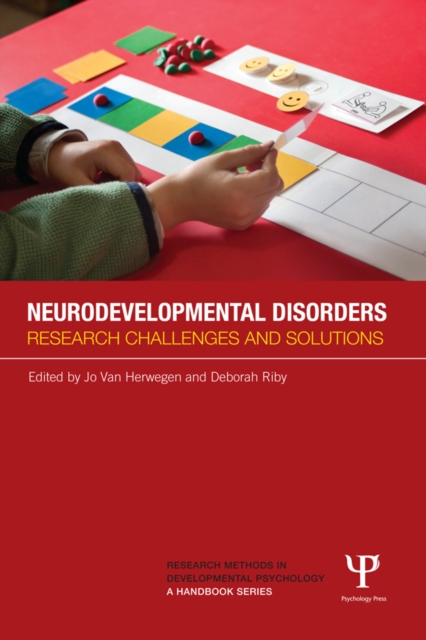
Neurodevelopmental Disorders and Co-occurring Conditions: Nurturing Inclusive Education
Inclusive education has become a cornerstone of progressive educational systems, aiming to provide equal opportunities for all students, regardless of their abilities or disabilities. Neurodevelopmental disorders present unique challenges in the classroom setting, requiring educators to adopt strategies that cater to the diverse needs of these students. Additionally, it is essential to understand the co-occurring conditions that may accompany neurodevelopmental disorders to ensure comprehensive support and effective learning environments.
Neurodevelopmental disorders encompass a range of conditions characterized by abnormal brain development and functioning. These include autism spectrum disorder (ASD), attention deficit hyperactivity disorder (ADHD), intellectual disability (ID), specific learning disorders (SLDs) such as dyslexia, and communication disorders like stuttering or language impairment. Students with neurodevelopmental disorders often face difficulties in various areas, such as social skills, communication, behavior regulation, executive function skills, sensory processing, and academic performance.
The concept of inclusive education recognizes that every student can benefit from being educated alongside their peers in mainstream classrooms. However, this requires a collaborative effort involving educators who understand the challenges faced by students with neurodevelopmental disorders and are equipped with suitable teaching strategies.
One crucial aspect is adapting teaching methods to accommodate different learning styles. For instance, students with ASD might respond better to visual aids or written instructions rather than verbal explanations alone. Similarly, individuals with ADHD may benefit from shorter tasks interspersed with movement breaks to enhance focus and engagement.
Another key element is fostering social inclusion within the classroom environment. Peer acceptance plays an integral role in enhancing self-esteem and overall well-being for students with neurodevelopmental disorders. Educators can facilitate social integration through structured activities promoting teamwork or assigning peer buddies who act as mentors for those struggling socially.
Moreover, it is essential for educators to be aware of potential co-occurring conditions that may accompany neurodevelopmental disorders. Co-occurring conditions are additional diagnoses that often appear alongside the primary disorder and can significantly impact a student’s educational experience.
One common co-occurring condition is anxiety, which frequently affects students with neurodevelopmental disorders due to the challenges they face in social interactions or academic demands. Anxiety can manifest as school refusal, difficulty concentrating, or even physical symptoms such as stomachaches or headaches. Teachers should be trained to recognize signs of anxiety and implement strategies to mitigate its impact on learning.
Another prevalent co-occurring condition is depression. Students with neurodevelopmental disorders may experience feelings of isolation, low self-esteem, or frustration due to their difficulties in various areas of life. Educators need to create a supportive classroom environment where students feel safe expressing their emotions and seeking help when needed.
Furthermore, some individuals with neurodevelopmental disorders may also have sensory processing issues. Sensory sensitivities can result in sensory overload or under-responsiveness, leading to heightened distractibility or discomfort in certain environments. By accommodating these needs through modifications like noise reduction measures or providing fidget tools for self-regulation, educators can create an inclusive atmosphere conducive to learning.
Inclusive education should extend beyond the classroom walls into extracurricular activities and community involvement. Providing opportunities for engagement outside of traditional academic settings allows students with neurodevelopmental disorders to develop social skills and pursue interests that align with their strengths. This integration into wider society fosters acceptance while nurturing well-rounded individuals who are better prepared for future endeavors.
Collaboration between educators, families, and professionals specializing in supporting individuals with neurodevelopmental disorders is vital for successful inclusion within mainstream classrooms. Regular communication ensures consistency across home and school environments while facilitating tailored interventions based on individual needs.
In conclusion, embracing inclusive education requires recognizing the unique challenges faced by students with neurodevelopmental disorders while understanding the potential co-occurring conditions that may impact their educational journey. Educators must adapt teaching methods, foster social inclusion, and provide appropriate support for the diverse needs of these students. By nurturing inclusive education environments, we can empower individuals with neurodevelopmental disorders to reach their full potential and contribute meaningfully to society.
 Alternative Amie
Leave a comment