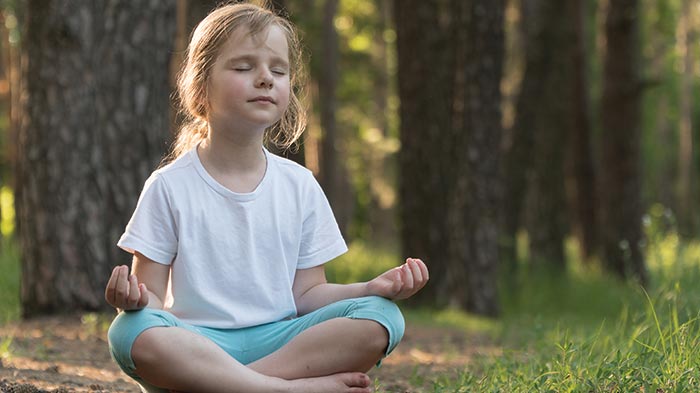
In today’s fast-paced and high-pressure world, it is more important than ever to provide our children with tools to cope with stress and improve their overall well-being. One such tool that has gained popularity in recent years is mindfulness and meditation practices. These ancient techniques, once reserved for adults seeking inner peace, are now being introduced in school settings to help children find calmness, focus, and emotional resilience.
Mindfulness can be defined as the practice of paying attention to the present moment without judgment. It involves bringing one’s awareness to thoughts, emotions, bodily sensations, and the surrounding environment. By teaching children how to be mindful, we equip them with a powerful skill that can enhance their mental health throughout their lives.
One of the main benefits of mindfulness for children is improved focus and concentration. In a world filled with distractions like smartphones and social media, many students struggle to stay engaged in class. Mindfulness exercises help redirect their attention back to the task at hand by training them to notice when their minds wander off and gently bringing them back into the present moment.
Additionally, research has shown that regular mindfulness practice can reduce anxiety and stress levels among children. Many kids experience overwhelming feelings due to academic pressure or personal challenges they face outside of school. By incorporating mindfulness into their daily routine at school, teachers provide a safe space where students can take a break from worries and anxieties while learning valuable coping mechanisms for managing stress.
Another significant benefit of mindfulness lies in its ability to promote emotional regulation skills. Children often struggle with handling strong emotions such as anger or frustration appropriately. Through practicing mindfulness techniques like deep breathing or body scans when faced with intense emotions, they learn how to observe these feelings without reacting impulsively. This newfound self-awareness empowers them to respond thoughtfully rather than reactively.
Moreover, fostering empathy is an essential aspect of education that goes beyond academics alone. Mindfulness helps develop compassion towards oneself and others by encouraging children to be present and attentive. By cultivating empathy, students become more understanding and accepting of their peers, leading to a more inclusive and harmonious school environment.
Implementing mindfulness practices in schools can take various forms. For younger children, simple exercises like “mindful breathing” or “mindful listening” can be integrated into the daily routine. These exercises involve focusing attention on the breath or sounds in the environment for short periods of time. As children grow older, longer meditation sessions can be introduced, allowing them to explore different techniques such as body scans or loving-kindness meditations.
It is important for schools to provide adequate training and support for teachers who wish to incorporate mindfulness practices into their classrooms. There are numerous resources available online that offer guidance and lesson plans specifically designed for kids of all ages. Additionally, inviting trained professionals such as mindfulness instructors or yoga teachers to conduct workshops with both students and staff can further enhance the effectiveness of these programs.
While some may argue that teaching mindfulness in schools takes away valuable instructional time from academic subjects, research has shown that it actually enhances learning outcomes. Students who practice mindfulness regularly have been found to exhibit improved memory retention, cognitive flexibility, problem-solving skills, and overall academic performance.
In conclusion, incorporating mindfulness practices into school settings is a promising approach towards enhancing children’s well-being and focus. By equipping them with essential tools for managing stress, improving concentration, regulating emotions, fostering empathy, and nurturing self-compassion; we empower our young learners with lifelong skills that will serve them well beyond their school years. With mindful education becoming increasingly recognized for its positive impact on student success both academically and personally; it is clear that investing in these practices is an investment in our future generation’s overall health and happiness.
 Alternative Amie
Leave a comment