Outdoor Education: Igniting a Passion for Learning and Connection with Nature
In our fast-paced, technology-driven world, it is becoming increasingly important to find ways to reconnect with nature and foster a sense of wonder and curiosity in our children. One powerful way to achieve this is through outdoor education.
Outdoor education involves taking learning outside the traditional classroom setting and immersing students in natural environments. This experiential approach to education has been shown to have numerous benefits for students of all ages, from improved academic performance to increased self-confidence and resilience.
One of the key advantages of outdoor education is its ability to engage students on multiple levels. When learning takes place in a natural setting, it becomes more interactive and hands-on, stimulating all the senses. Whether it’s exploring a forest ecosystem, observing wildlife up close, or conducting experiments by a riverbank – the possibilities are endless when nature becomes your classroom.
Research has consistently shown that exposure to nature has positive effects on cognitive function and academic achievement. Studies indicate that spending time outdoors can enhance creativity, problem-solving skills, critical thinking abilities, and overall academic performance. By providing real-world contexts for learning, outdoor education helps students see the relevance of what they are studying and encourages them to become active participants in their own education.
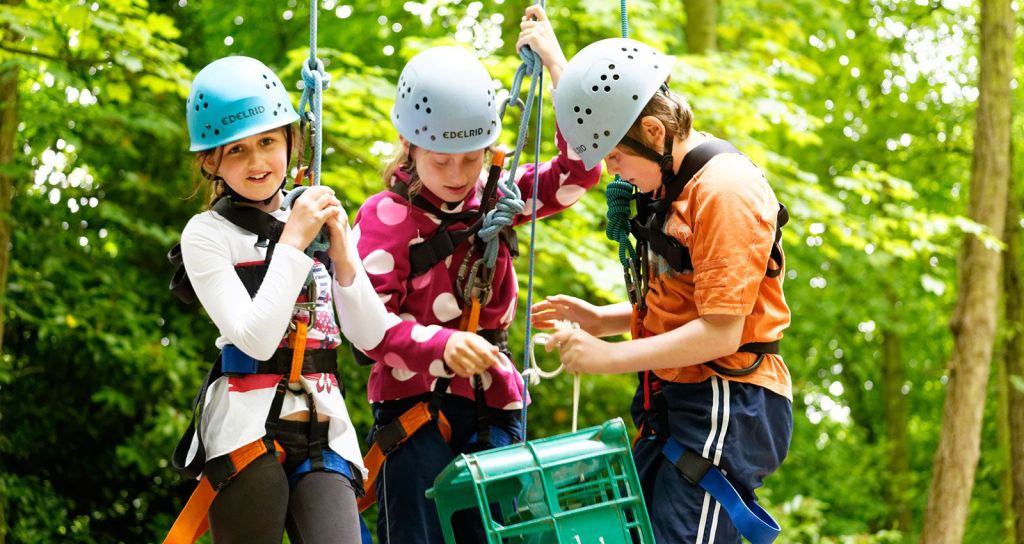
Beyond academics, outdoor education also nurtures various social-emotional skills vital for success in life. Spending time outdoors fosters teamwork, cooperation, communication skills – as well as empathy towards others and the environment itself. Through group activities such as setting up camp or navigating challenging terrains together during hiking expeditions or team-building exercises like rope courses or rock climbing – students learn how collaboration can lead them towards shared goals.
Moreover,outdoor settings provide unique opportunities for personal growth and development. When faced with unfamiliar situations or potential risks presented by nature’s elements—students learn resilience as they navigate these challenges under guidance from trained instructors who prioritize safety while encouraging risk-taking within reasonable limits. The experience of overcoming these obstacles helps students build confidence and develop a sense of self-efficacy, empowering them to tackle future challenges with resilience and determination.
Outdoor education also has a profound impact on the physical well-being of students. In an era where sedentary lifestyles are becoming increasingly common among children, outdoor education offers a much-needed antidote. Activities such as hiking, canoeing, rock climbing, and orienteering not only provide opportunities for exercise but also promote a healthy lifestyle by encouraging students to engage in regular physical activity while enjoying the wonders of nature.
Furthermore, exposure to natural environments can have significant mental health benefits. Research has shown that spending time in nature reduces stress levels and improves overall psychological well-being. Outdoor education provides an escape from the pressures and demands of everyday life, allowing students to recharge their minds and connect with themselves on a deeper level.
Implementing outdoor education programs requires collaboration between schools, educators, parents, and community organizations committed to fostering this holistic approach to learning. Schools can partner with local environmental groups or outdoor adventure companies to create tailored curricula that align with academic standards while incorporating hands-on experiences in natural settings.
Training teachers in outdoor education pedagogy is crucial for successful implementation. Educators need support in developing skills such as risk management techniques specific to outdoor activities, facilitating meaningful discussions around environmental issues or connections between classroom concepts and real-world examples found outside – all while ensuring student safety remains paramount.
Fortunately, there are numerous success stories showcasing how schools have embraced outdoor education effectively. From forest kindergartens where young learners spend their entire day exploring woodlands to high school science classes conducting experiments outdoors – these initiatives prove that it is possible to integrate nature into mainstream educational practices without sacrificing academic rigor.
In conclusion, outdoor education provides a transformative learning experience that fosters curiosity about the world we live in while nurturing essential skills for personal growth and development. By taking learning beyond the four walls of a classroom and immersing students in nature, we can ignite a passion for learning that will last a lifetime. It is time to embrace outdoor education as an integral part of our educational system and empower future generations with the tools they need to thrive in an ever-changing world.
 Alternative Amie
Leave a comment