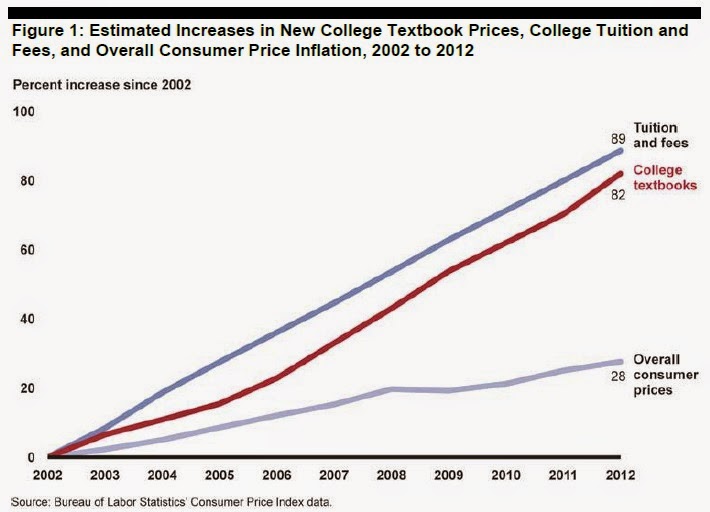
In today’s rapidly changing educational landscape, the cost of textbooks has become a pressing concern for students and parents alike. Gone are the days when textbooks were affordable and easily accessible. Instead, we find ourselves in a situation where students often have to shell out exorbitant amounts of money just to obtain the required course materials. This has led many to question whether there is a better way to approach textbook costs.
The traditional publishing industry holds a significant monopoly over the production and distribution of textbooks, which allows them to set high prices without fear of competition. A single textbook can cost anywhere from $100 to $300 or even more, making it an additional financial burden on already cash-strapped students. This not only affects their ability to afford other essential resources but also increases the overall cost of pursuing higher education.
Moreover, with new editions being released frequently, students are left with no choice but to purchase updated versions rather than opting for cheaper used books. Publishers often make minor changes between editions, such as rearranging chapters or adding supplementary materials like online access codes or workbooks that cannot be reused from one semester to another. While these updates may provide some value, they drive up costs unnecessarily and contribute significantly to student debt.
In recent years, there has been a growing movement towards alternative solutions that aim to alleviate the burden imposed by expensive textbooks. One such solution is open educational resources (OER). OER refers to freely accessible learning materials that anyone can use, adapt, and share under an open license such as Creative Commons.
Unlike traditional textbooks produced by commercial publishers, OER provides educators and students with free access to high-quality course materials online. These resources include textbooks written by experts in various fields along with supplementary materials like lecture slides and practice quizzes. By utilizing OER instead of conventional textbooks, institutions can reduce costs while encouraging collaboration among educators worldwide.
Not only do OER reduce financial barriers for students but they also promote pedagogical innovation. Educators can customize the content to suit their teaching methodologies and integrate real-world examples that resonate with their students. This flexibility allows for more engaging and relevant learning experiences, fostering a deeper understanding of the subject matter.
In addition to OER, another alternative gaining traction is textbook rental services. These services allow students to rent textbooks for a specific period rather than purchasing them outright. Rental fees are typically much lower compared to buying new books, offering significant savings.
Companies like Chegg and Amazon’s Textbook Rental have capitalized on this model by providing easy-to-use platforms where students can search for the required textbooks, compare prices, and choose between renting or buying options. The rented books are shipped directly to the student’s doorstep, eliminating the hassle of searching for used copies or reselling at the end of the semester.
Textbook rental services also offer flexible return policies, allowing students to keep books longer if needed or even purchase them at reduced prices if they decide they want to keep them permanently. This provides an affordable solution while still giving students access to physical materials without compromising on convenience.
Furthermore, digital textbooks have emerged as a viable option in recent years due to advancements in technology. E-books are not only cheaper but also lightweight and easily accessible through e-readers or mobile devices. Students can carry all their course materials in one device without having to lug around heavy backpacks filled with physical books.
Digital textbooks often come with interactive features such as embedded videos, quizzes, and hyperlinks that enhance the learning experience beyond what traditional textbooks offer. Additionally, updates can be made seamlessly without requiring students to purchase new editions every few semesters.
However, it is important to acknowledge that not all students have equal access to technology or reliable internet connections necessary for accessing digital resources effectively. This creates a potential divide among those who can afford these technologies and those who cannot—an issue that needs addressing before fully embracing digital solutions as an alternative across educational institutions.
While alternative solutions like OER, textbook rental services, and digital textbooks offer significant advantages in terms of cost and flexibility, they are not without their challenges. Implementing these alternatives requires coordination between educators, administrators, and students to ensure smooth adoption and integration into existing curricula.
Educators must actively seek out OER resources that align with their course objectives while also providing guidance to students on how to access and utilize these materials effectively. Institutions may need to invest in training programs and support services to facilitate this transition successfully.
In conclusion, the soaring costs of traditional textbooks have become a barrier for many students seeking higher education. However, there are promising alternatives available that can alleviate this burden while fostering innovative teaching practices. Open educational resources provide free access to high-quality learning materials online, enabling customization and collaboration among educators globally. Textbook rental services offer affordable options for accessing physical books without the long-term commitment of purchasing them outright. Digital textbooks provide lightweight and interactive learning experiences with seamless updates.
The time has come for educational institutions to explore these alternatives seriously. By doing so, they can help alleviate the financial strain on students while promoting a more inclusive education system where quality resources are accessible to all who seek knowledge.
 Alternative Amie
Leave a comment