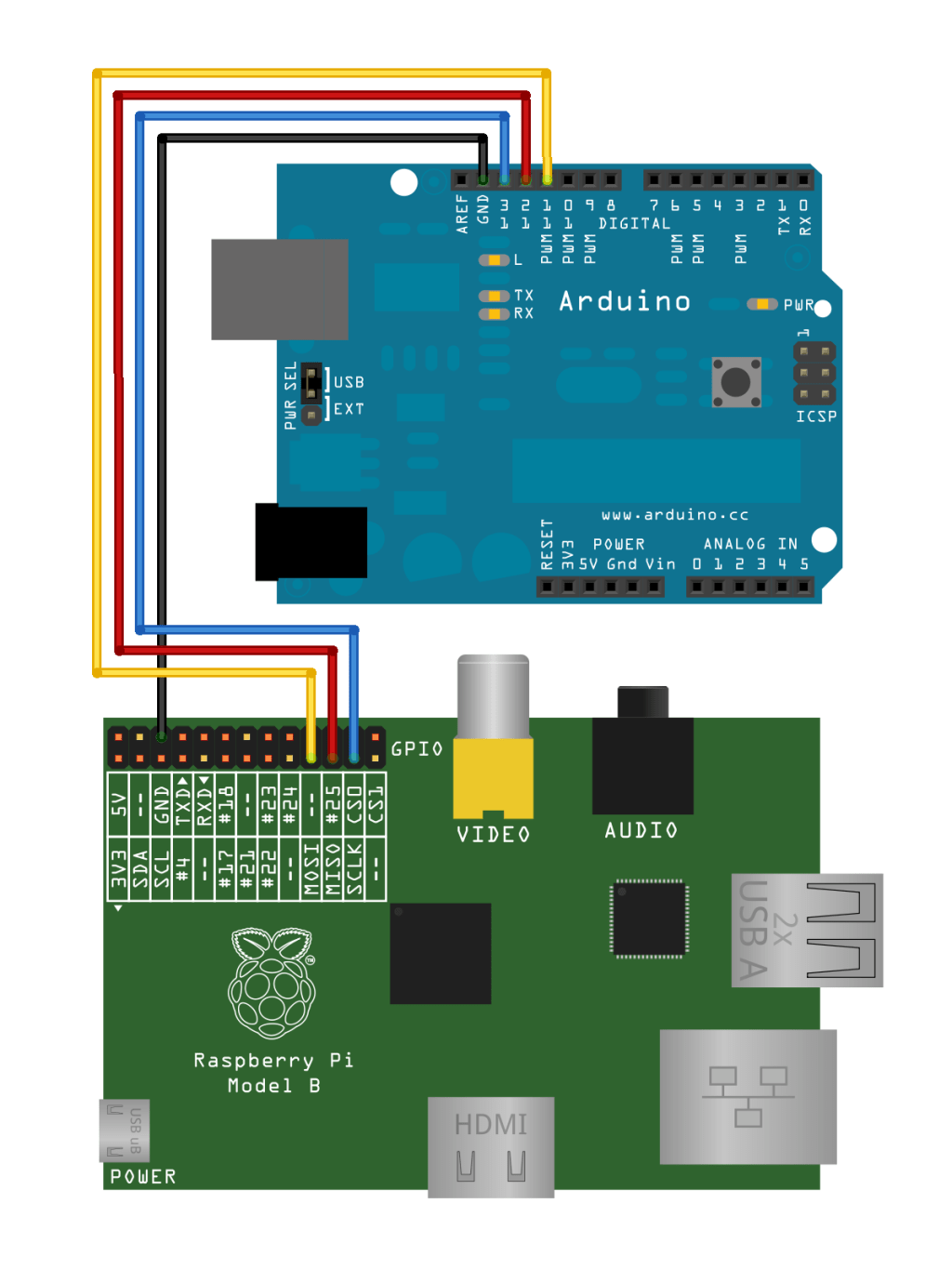
Have you ever heard of Arduino or Raspberry Pi? These two small computing platforms have been making waves in the world of alternative schooling and education. With their open-source nature, affordability, and versatility, they offer a unique opportunity for students to explore the realms of electronics and programming.
Arduino is a microcontroller board that allows users to create interactive projects by connecting it to various sensors and actuators. It is widely used in schools as an educational tool due to its simplicity and ease of use. Students can learn the basics of coding by writing programs known as sketches, which are uploaded onto the Arduino board via USB. This hands-on approach makes learning programming concepts more engaging and accessible.
On the other hand, Raspberry Pi is a credit-card-sized computer that plugs into a monitor or TV, keyboard, and mouse. Unlike Arduino, it runs on a fully-fledged operating system (usually Linux) and can handle tasks similar to those performed by traditional desktop computers. This means students can not only learn about coding but also delve into areas such as web development, media centers, robotics, and even artificial intelligence.
One of the key advantages of both Arduino and Raspberry Pi lies in their cost-effectiveness compared to traditional computing devices. Schools with limited budgets can now provide students with access to powerful tools at a fraction of the price. This affordability has democratized technology education by breaking down financial barriers that previously hindered many from exploring these fields.
Additionally, Arduino and Raspberry Pi foster creativity through project-based learning experiences. Students are encouraged to think critically while designing solutions for real-world problems using these platforms. Whether it’s building a weather station with Arduino or developing an internet-connected smart home system with Raspberry Pi, students gain valuable skills in problem-solving, teamwork, communication while honing their technical abilities.
Moreover, these platforms promote collaboration within classrooms through an active online community where educators share resources like lesson plans and project ideas. Students can also seek support from this community when encountering difficulties, creating a sense of camaraderie and connectedness in the learning process.
Furthermore, Arduino and Raspberry Pi are ideal tools for interdisciplinary learning. By combining electronics with other subjects such as art, music, or biology, students can explore the intersection between technology and their passions. For example, they could create interactive artworks using Arduino’s capabilities or build a weather station to collect data for scientific experiments.
Lastly, both platforms provide students with practical skills that are highly sought after in today’s job market. The ability to understand and utilize these technologies opens doors to careers in fields like software development, robotics engineering, IoT (Internet of Things), and more. Students who have experience with Arduino or Raspberry Pi gain a competitive edge by demonstrating their hands-on approach to problem-solving.
In conclusion, Arduino and Raspberry Pi offer alternative schooling and education an exciting opportunity to engage students in creative coding projects at an affordable cost. These platforms empower learners to think critically while developing practical skills that open doors to future career paths. By integrating them into educational curricula, schools can inspire young minds towards technological innovation while fostering collaboration and interdisciplinary thinking.
 Alternative Amie
Leave a comment