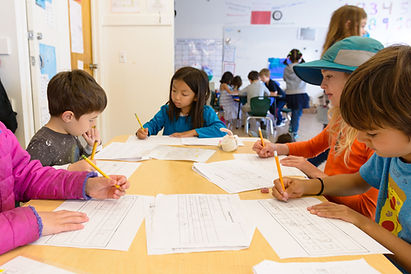
When it comes to education, there are many different approaches and philosophies. One alternative approach that has gained popularity in recent years is multi-age classrooms. In a traditional classroom setting, students are grouped together based on their age, but in a multi-age classroom, students of different ages and grade levels learn together in the same environment.
The concept of multi-age classrooms is not new; it can be traced back to the one-room schoolhouses of the past. However, it has experienced a resurgence as educators recognize its benefits for student learning and development.
One of the key advantages of multi-age classrooms is that they promote collaboration and peer learning. Younger students have the opportunity to learn from older ones who have already mastered certain skills or concepts. This creates a supportive and nurturing environment where students can help each other grow academically and socially.
Research has shown that when students work together in mixed-age groups, they develop stronger communication skills, empathy, and problem-solving abilities. Older students often take on leadership roles within these groups, which enhances their sense of responsibility and boosts their self-confidence.
In a multi-age classroom, teachers can also tailor instruction to meet individual student needs more effectively. Since children progress at different rates in various subjects, grouping them by ability rather than age allows for personalized instruction. Students who need extra support can receive more focused attention from teachers or even from their peers who have already mastered those skills.
Moreover, multi-age classrooms foster a sense of community among students as they spend multiple years with the same group of classmates. They build deeper relationships with both older and younger peers compared to single-grade classrooms where friendships may change every year. As a result, these environments promote social-emotional growth by encouraging cooperation instead of competition among students.
Another advantage lies in the fact that multi-age classrooms provide opportunities for continuous learning throughout all stages of development. In traditional settings where children advance to higher grades each year regardless of mastery level or readiness, some students may fall behind or feel unchallenged. In a multi-age classroom, however, learning is not limited by age-based standards but rather focuses on each student’s individual growth and progress.
The flexibility of multi-age classrooms allows for more personalized learning experiences. Teachers can differentiate instruction to meet the specific needs of each student while still maintaining a sense of community among all learners. This approach challenges students at their own level and encourages them to set personal goals for themselves.
Additionally, multi-age classrooms promote a deeper understanding of subject matter as students have the opportunity to revisit concepts over multiple years. They are not rushed through content simply because it is part of the curriculum for their grade level. Instead, they can delve into topics more deeply and make connections across different areas of study.
Critics of multi-age classrooms argue that grouping children solely based on age prepares them better for the real world where people are typically grouped together based on their birth year or generation. However, supporters counter that in many professional settings, individuals work with colleagues who span various age groups and backgrounds. By learning alongside peers who have different strengths and weaknesses, students develop important skills such as adaptability and collaboration that will serve them well in future careers.
It is worth noting that implementing multi-age classrooms requires careful planning and ongoing support from administrators, teachers, parents, and the wider school community. Educators need training in differentiated instruction strategies to effectively cater to individual student needs within mixed-grade environments. Additionally, open communication between teachers and parents becomes essential as they collaborate to ensure optimal educational experiences for every child.
In conclusion, multi-age classrooms offer numerous benefits to students’ academic growth and social development. By creating diverse learning communities where collaboration is valued over competition, these environments foster meaningful relationships among peers while allowing for personalized instruction tailored to each student’s unique abilities and needs. While challenges exist in implementing this approach successfully, educators continue to explore its potential as an alternative to traditional single-grade classrooms.
 Alternative Amie
Leave a comment