Experiential Learning: Unlocking the Power of Real-World Education
Education is no longer confined to traditional classroom settings. As alternative schooling and education gain popularity, one approach that has stood out for its effectiveness in fostering deep understanding and skill development is experiential learning. This innovative pedagogical method encourages students to actively engage with real-world experiences, connecting theory with practice in a meaningful way.
At its core, experiential learning emphasizes hands-on activities that allow learners to explore concepts firsthand. Rather than simply memorizing facts or following instructions from textbooks, students are encouraged to immerse themselves in practical situations where they can apply theoretical knowledge to solve problems and gain valuable insights.
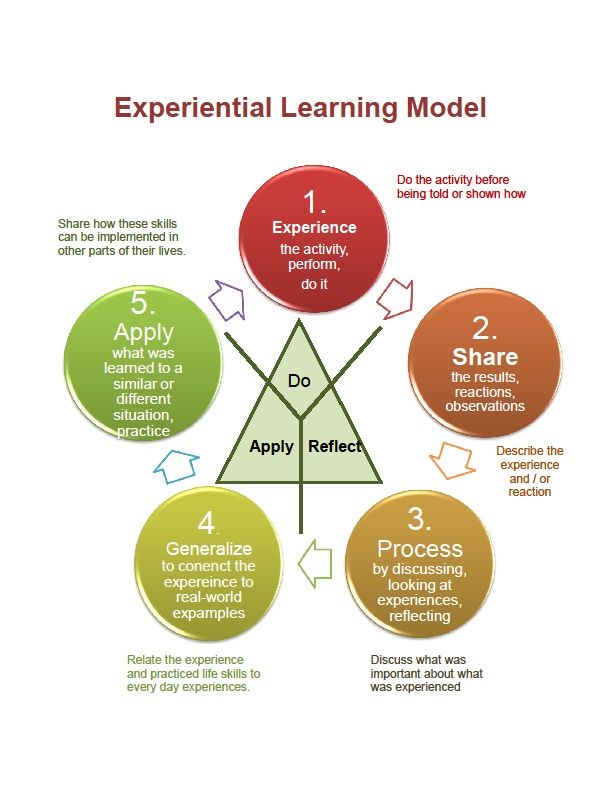
One key aspect of experiential learning is the role of reflection. After engaging in an experience, learners are given the opportunity to reflect on what they have learned and how it connects to their prior knowledge. This reflective process helps solidify new information and promotes critical thinking skills by encouraging students to analyze their actions, evaluate outcomes, identify patterns, and make connections between theory and practice.
Experiential learning also places a strong emphasis on collaboration and teamwork. By working together on real-world challenges, students develop essential interpersonal skills such as effective communication, problem-solving abilities, negotiation techniques, and conflict resolution strategies. These skills not only prepare them for future professional endeavors but also foster empathy, cultural sensitivity, and a sense of community among diverse groups of individuals.
Another compelling aspect of experiential learning is its ability to cultivate creativity and innovation in learners. By providing opportunities for exploration outside the confines of traditional classrooms, students are encouraged to think outside the box and come up with novel solutions that address real-life problems. This creative mindset allows them to become more adaptable in an ever-changing world where finding unique solutions is highly valued.
Experiential learning can take various forms depending on the context and goals set by educators or institutions implementing this approach. Field trips, internships, apprenticeships, project-based learning, and simulations are just a few examples of experiential activities that can be integrated into the curriculum. These activities not only provide practical skills but also instill a sense of passion and motivation in students as they see the direct relevance of their education to their lives.
One notable advantage of experiential learning is its ability to cater to different learning styles. While some students thrive in traditional lecture-style settings, others may require more hands-on experiences to fully comprehend complex concepts. Experiential learning recognizes these individual differences by providing diverse opportunities for engagement, ensuring that all learners can find a mode of instruction that resonates with them.
Furthermore, experiential learning has been shown to enhance long-term retention and transferability of knowledge. By actively engaging in real-world experiences, students are more likely to remember what they have learned compared to passive forms of education. This deep understanding allows them to apply acquired knowledge and skills in unfamiliar situations beyond the classroom walls, preparing them for future challenges they may encounter throughout their lives.
Incorporating experiential learning into the educational system does come with its challenges. One common concern is how this approach can be effectively assessed given its less structured nature compared to traditional methods. However, educators have developed various assessment tools such as portfolios or performance evaluations that measure student growth and achievement within an experiential framework.
As we continue exploring alternative approaches in education, it becomes clear that experiential learning holds immense potential for transforming the way we educate our youth. By bridging theory with practice through immersive experiences coupled with reflection and collaboration, this method equips students not just with knowledge but also with invaluable life skills necessary for success in today’s dynamic world.
In conclusion, experiential learning offers a powerful alternative pedagogical approach that enables students to engage deeply with their education while connecting it directly to real-life experiences. Through active participation, reflection, collaboration, and creativity, learners acquire not just knowledge but also essential life skills that prepare them for a rapidly evolving future. As we strive to provide an education that is relevant and impactful, experiential learning stands out as a promising pathway towards holistic development in our students.
 Alternative Amie
Leave a comment