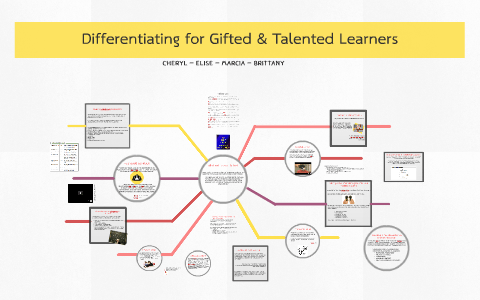
Technology Integration for Gifted Learners: Embracing the Digital Age
In today’s digital age, technology has become an integral part of our daily lives. From smartphones to smart homes, it seems like there is no escaping its influence. And while some may argue that excessive screen time can be detrimental to children’s development, when used appropriately and in moderation, technology can be a powerful tool for learning and growth – especially for gifted learners.
Gifted learners are known for their exceptional abilities and potential in various areas such as intellectual, creative, artistic, or leadership skills. These students thrive on challenges and often require differentiated instruction to fully develop their talents.
Fortunately, technology provides numerous opportunities to engage and challenge gifted learners in ways that traditional classroom settings might not always accommodate. Let’s explore how technology integration can benefit gifted learners:
1. Personalized Learning:
One of the most significant advantages of using technology with gifted learners is the ability to personalize their learning experiences. With access to online resources and educational apps tailored to their specific needs and interests, these students can delve deeper into subjects they are passionate about or explore new topics at an accelerated pace.
2. Global Connections:
Technology allows gifted learners to connect with peers from around the world who share similar interests or expertise. Through virtual classrooms or online communities, they can collaborate on projects, exchange ideas, debate complex issues, and learn from individuals outside their immediate environment.
3. Self-Paced Learning:
Gifted learners often work at a faster pace than their peers due to their advanced cognitive abilities. Technology enables them to progress through content at their own speed without feeling held back by the constraints of a traditional classroom setting.
4. Enrichment Opportunities:
With technology integration comes access to a vast array of enrichment opportunities that might otherwise be unavailable within the confines of a brick-and-mortar school setting. Online courses offered by universities or specialized platforms provide challenging content that caters specifically to gifted students’ needs.
5. Independent Research:
Gifted learners are naturally curious and have an innate desire to explore topics in-depth. Technology grants them the ability to conduct independent research, access scholarly articles, watch educational videos, and connect with experts in various fields – all from the comfort of their own homes or schools.
6. Creativity and Innovation:
Technology tools like 3D printers, coding platforms, graphic design software, and video editing programs empower gifted learners to unleash their creativity and foster innovative thinking. These tools allow them to transform ideas into tangible products or showcase their knowledge through multimedia presentations.
7. Real-World Simulations:
Virtual reality (VR) technology has revolutionized education by providing immersive experiences that simulate real-world scenarios. Gifted learners can explore historical events, travel through space, dissect virtual organisms, or even build architectural wonders – all without leaving the classroom.
8. Critical Thinking Skills:
Gifted learners thrive on complex problem-solving tasks that require higher-order thinking skills. Technology offers a plethora of challenging puzzles, brain teasers, logic games, and programming challenges that help develop these critical thinking abilities while keeping students engaged.
9. Individualized Assessments:
Standardized tests often fail to accurately measure the abilities of gifted learners who think outside-the-box or possess unconventional learning styles. Technology allows for more personalized assessments that focus on individual strengths rather than relying solely on traditional evaluation methods.
10. Career Exploration:
Technology integration provides opportunities for gifted students to explore potential career paths aligned with their interests and aptitudes at an early age. By engaging in online internships or participating in project-based learning initiatives focused on specific industries or professions, they can gain valuable insights into future careers.
While technology integration offers numerous benefits for gifted learners’ development and growth, it is crucial for educators and parents alike to strike a balance between screen time and other activities such as physical exercise or face-to-face interactions with peers.
In conclusion, embracing technology in education can greatly enhance the learning experience for gifted learners. From personalized instruction to global connections and career exploration, technology integration opens doors that were once unimaginable. By harnessing the power of technology, we can support and nurture these exceptional individuals on their journey towards fulfilling their potential – all while having fun in the digital age.
 Alternative Amie
Leave a comment