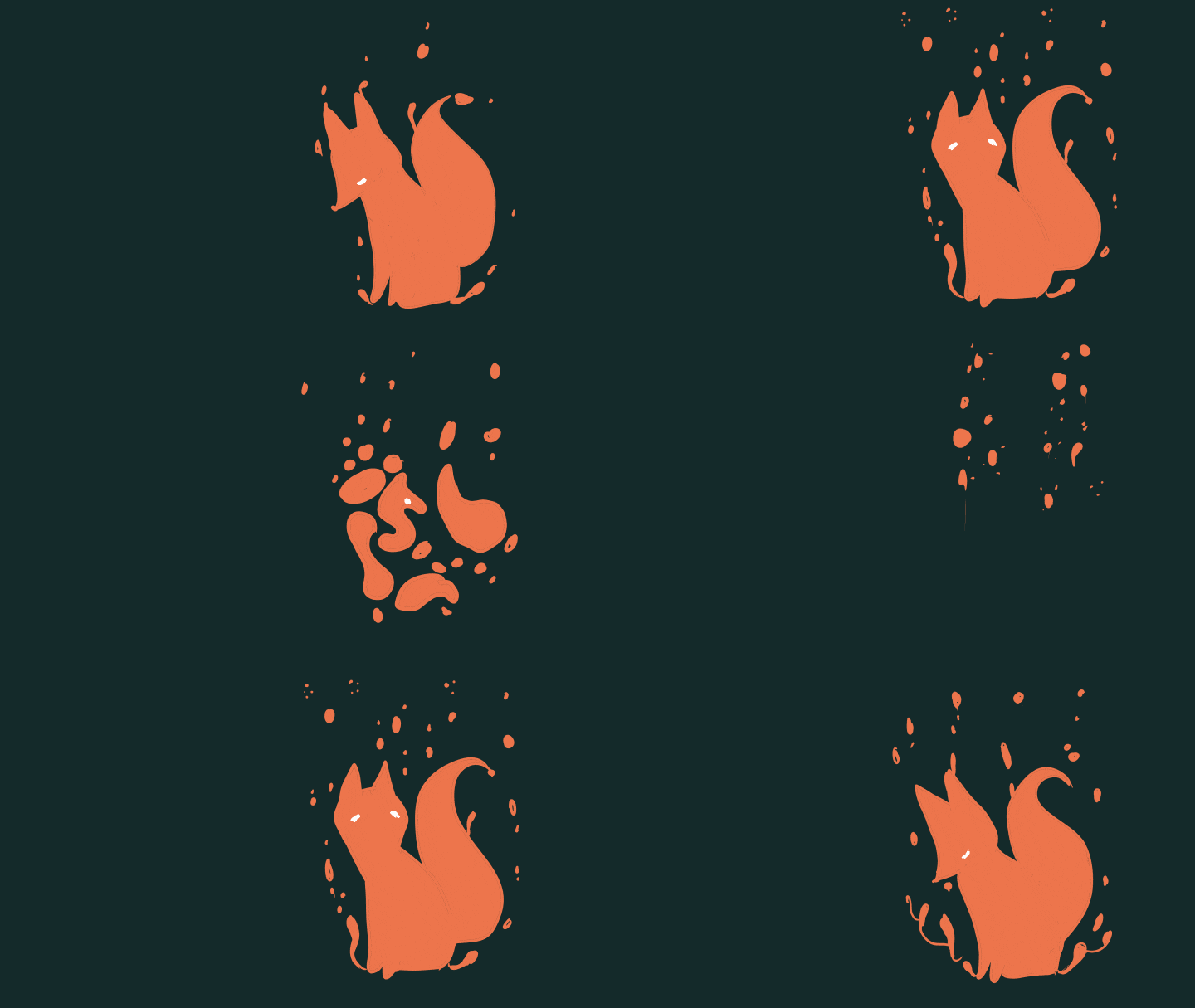
Digital Art and Animation: An Exciting World of Creativity
Q: What is digital art?
A: Digital art refers to any form of visual artwork that is created or manipulated using digital technology. It encompasses a wide range of artistic styles and techniques, including painting, drawing, photography, graphic design, animation, and more. Unlike traditional forms of art that use physical tools and materials like paintbrushes or canvases, digital artists use software programs and computer hardware to create their work.
Q: What are the advantages of creating digital art?
A: One of the major advantages of digital art is its versatility. Artists can experiment with different styles and mediums without the limitations imposed by physical materials. Additionally, digital artwork can be easily modified or edited at any stage in the creative process. This flexibility allows artists to explore new ideas and make changes without fear of permanently damaging their work.
Q: How does animation fit into digital art?
A: Animation is a subset of digital art that involves bringing static images to life through movement. It relies on a sequence of frames or images displayed rapidly in succession to create an illusion of motion. Animators use specialized software programs to design characters, backgrounds, objects, and special effects for movies, television shows, video games, advertisements, and more.
Q: Can anyone learn how to do digital art or animation?
A: Absolutely! The beauty of digital art is that it offers accessible tools for creative expression to people from all walks of life. With dedication and practice along with access to basic equipment such as a computer or tablet device along with appropriate software applications like Photoshop or Blender (for 3D animation), anyone can learn the fundamentals.
Q: Are there career opportunities in the field?
A: Yes! As technology continues to advance rapidly across various industries such as entertainment media (films/TV), advertising/marketing agencies (graphic design), gaming companies (game development), e-learning platforms (educational animations), and more, the demand for skilled digital artists and animators is on the rise. There are numerous career paths available, including graphic designer, concept artist, storyboard artist, 3D modeler/animator, visual effects artist, and many others.
In conclusion, digital art and animation offer exciting opportunities for creative expression in today’s digital age. It provides flexibility, versatility, and a wide range of career possibilities. Whether you are an aspiring artist or simply curious about exploring your creativity in new ways, digital art and animation can be a rewarding journey to embark upon.
 Alternative Amie
Leave a comment