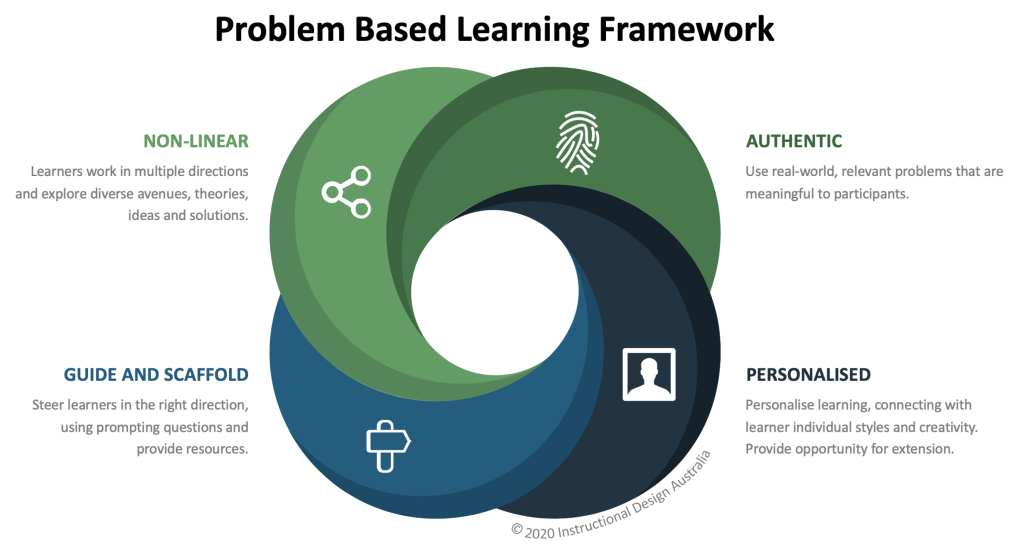
Project-based learning (PBL) is an innovative approach to education that focuses on real-world problem-solving and active engagement. Instead of traditional lectures and tests, students work on projects that require them to apply their knowledge and skills in a practical way. This method of learning allows students to develop critical thinking, collaboration, and communication skills while gaining a deeper understanding of the subject matter.
One of the key features of PBL is its emphasis on student autonomy. Rather than being passive recipients of information, students take ownership of their learning by selecting project topics, setting goals, and determining how they will achieve them. This level of independence promotes self-direction and helps foster a sense of responsibility among students.
In a project-based learning environment, teachers act as facilitators or guides rather than lecturers. They provide support and guidance throughout the process but encourage students to take charge. This shift in role allows teachers to focus on individual needs and interests while promoting creativity and critical thinking.
PBL also encourages interdisciplinary learning by integrating multiple subjects into one project. For example, a science project could incorporate elements from math, language arts, and social studies. By making connections across different disciplines, students gain a broader understanding of how knowledge is interconnected in the real world.
Another benefit of PBL is its relevance to real-life situations. Projects are designed around authentic problems or challenges that students may encounter outside the classroom. This approach helps bridge the gap between theory and practice by giving students opportunities to apply what they have learned in meaningful ways.
Furthermore, PBL promotes collaboration among peers as well as with experts from various fields who can provide guidance or serve as mentors during projects. Working collaboratively not only enhances teamwork skills but also exposes students to diverse perspectives and ideas.
While PBL offers numerous advantages for learners, it may also present some challenges for educators who are accustomed to traditional teaching methods. Implementing this approach requires careful planning, time management skills, resource allocation, and ongoing assessment of student progress. However, the benefits of PBL in terms of fostering critical thinking, independence, and real-world application make it a valuable alternative to traditional education methods.
In conclusion, project-based learning is an innovative approach that engages students in active learning through real-world projects. By promoting autonomy, interdisciplinary connections, relevance to real-life situations, and collaboration among peers and experts, PBL prepares students for success in the 21st century. While it may present challenges for educators transitioning from traditional teaching methods, the benefits far outweigh any initial difficulties. Ultimately, PBL fosters a love for learning by providing students with meaningful opportunities to apply their knowledge and skills while developing essential competencies for future endeavors.
 Alternative Amie
Leave a comment