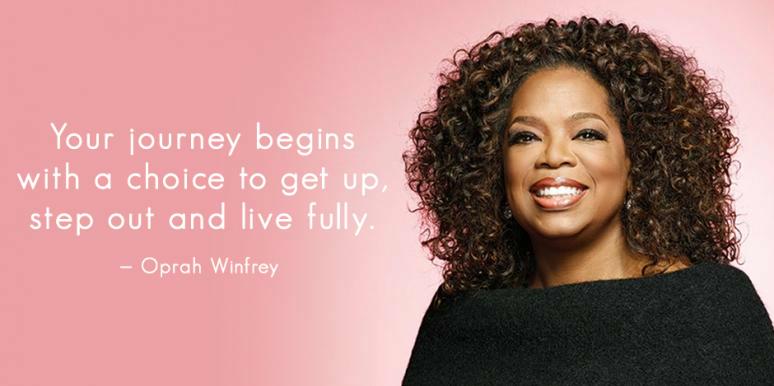
Oprah Winfrey: A Champion of Alternative Education
Introduction:
Oprah Winfrey is a household name, known for her successful talk show, philanthropy work, and media empire. But what many people may not know about Oprah is her deep commitment to alternative schooling and education. Through various initiatives and personal experiences, Oprah has become a champion of alternative education methods, advocating for personalized learning approaches that cater to individual needs and empower students to thrive academically and personally.
Early Life and Education:
Born on January 29, 1954, in Kosciusko, Mississippi, Oprah Winfrey faced numerous challenges during her childhood. Raised in poverty by a single teenage mother in rural Mississippi until the age of six when she moved to Milwaukee with her mother Vernita Lee. She experienced firsthand the disparities within traditional educational systems that often failed to address the unique circumstances of disadvantaged students like herself.
At the age of nine, Oprah was sent to live with her father Vernon Winfrey in Nashville after experiencing turmoil at home. Her father recognized his daughter’s potential early on and enrolled her in East Nashville High School’s Upward Bound program—an initiative designed to provide educational opportunities for underprivileged youth. This experience marked the beginning of Oprah’s journey towards alternative education.
Alternative Schooling Experience:
During high school years at East Nashville High School (ENHS), Oprah became involved with their drama club where she discovered her passion for public speaking and storytelling. ENHS provided an inclusive environment that nurtured talent beyond academics alone—fostering creativity and building self-confidence among its students.
After graduating from ENHS as an honors student in 1971, Oprah received a full scholarship from Tennessee State University (TSU). TSU further played a role in shaping her perspective on alternative education through its diverse student body representing different backgrounds and cultures. Here she learned about social justice issues which later influenced many aspects of her career.
Personalized Learning Approach:
Oprah Winfrey’s alternative education advocacy is reflected in her commitment to personalized learning approaches. She understands the importance of tailoring education to individual needs, providing students with the tools and support necessary to succeed.
One of Oprah’s most notable contributions to alternative education is the establishment of the Oprah Winfrey Leadership Academy for Girls (OWLAG) in South Africa in 2007. The school was created with a mission to provide quality education and leadership development opportunities for academically gifted girls from disadvantaged backgrounds.
OWLAG offers a holistic approach that focuses on academic excellence while nurturing emotional intelligence and self-awareness. The curriculum includes traditional subjects alongside courses on life skills, leadership, entrepreneurship, and African history. Students also have access to extensive extracurricular activities such as sports, arts, and community service.
Through OWLAG, Oprah aims to provide young girls with an educational experience that empowers them physically, emotionally, intellectually, and spiritually—a model that emphasizes character development alongside academic achievement.
Educational Initiatives:
Aside from OWLAG, Oprah has been involved in various educational initiatives aimed at promoting alternative schooling methods both within the United States and globally.
The “Oprah’s Angel Network” provided scholarships for underprivileged students who wished to pursue higher education but lacked financial means. By focusing on individual potential rather than standardized test scores or socioeconomic background alone, these scholarships helped deserving students overcome barriers to achieve their dreams.
Furthermore, through her television show “The Oprah Winfrey Show,” she often featured stories highlighting innovative educational programs across the country. This platform allowed her viewership to gain insight into different alternative schooling models—ranging from homeschooling approaches to Montessori schools—that prioritize creativity and critical thinking over rigid curricula.
Legacy:
Oprah Winfrey’s impact on alternative schooling goes beyond monetary donations or media exposure; it lies in her ability to inspire others by sharing personal experiences with resilience and determination despite societal limitations. She encourages individuals to embrace their unique journeys and overcome educational obstacles by seeking out alternative education methods that align with their passions and strengths.
Oprah’s efforts have paved the way for further exploration of personalized learning approaches in mainstream education systems. Her influence has sparked conversations around the importance of tailoring education to individual needs, recognizing diverse talents, and creating inclusive environments where students can thrive.
Conclusion:
Oprah Winfrey’s journey from a disadvantaged childhood to becoming one of the most influential women in media serves as an inspiration to millions worldwide. Through her commitment to alternative schooling models, she has transformed the lives of numerous students who may not have had access to quality education otherwise.
From her early experiences at East Nashville High School to the establishment of OWLAG, Oprah’s dedication to personalized learning approaches demonstrates her belief that every child deserves an opportunity for success regardless of socioeconomic background or circumstances.
As we continue exploring alternative education methods, let us remember Oprah Winfrey’s legacy—a testament to the power of providing tailored educational experiences that empower students and promote lifelong learning.
 Alternative Amie
Leave a comment