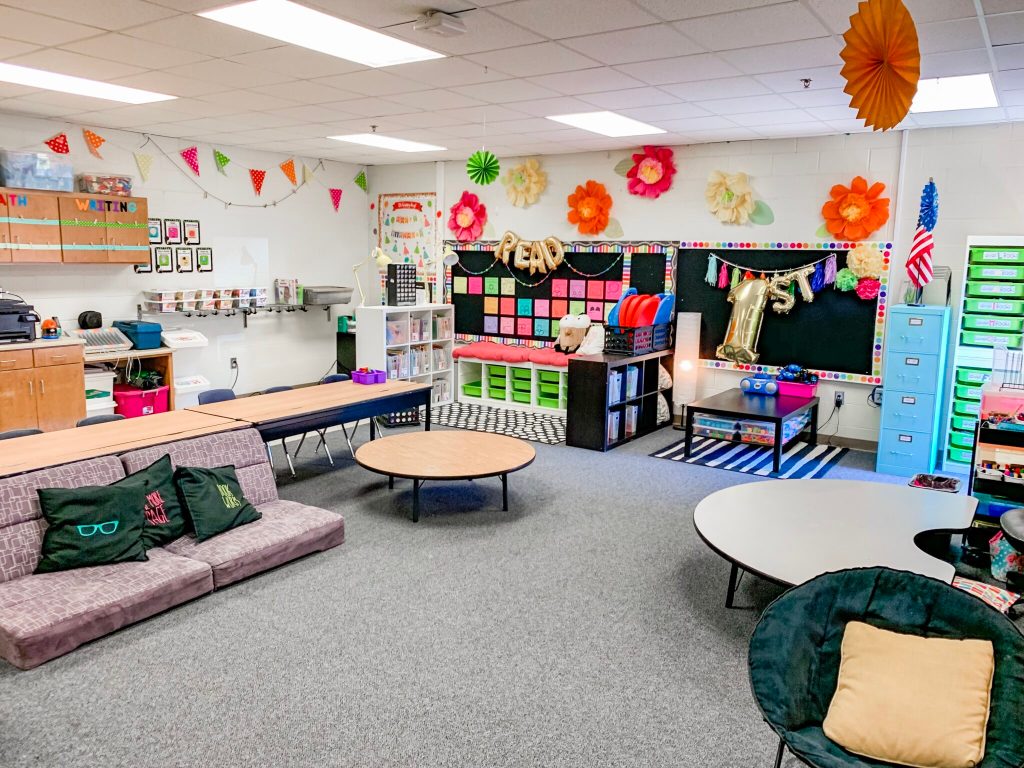
Strategies for managing noise levels and distractions when using open-concept or non-traditional classroom layouts with flexible seating
Flexible seating has become increasingly popular in modern classrooms, as it promotes collaboration, engagement, and creativity among students. However, one challenge that educators face when implementing this type of classroom layout is managing noise levels and minimizing distractions. In an open-concept or non-traditional classroom setting, where students have more freedom to move around and choose their own seating arrangements, it is important to establish strategies to ensure a productive learning environment. Here are some effective strategies for managing noise levels and distractions in a flexible seating classroom:
1. Establish clear expectations: Begin by setting clear guidelines and expectations regarding noise levels. Make sure your students understand what is considered acceptable volume during different activities such as group work or independent study time. By providing explicit instructions on how to use their voices appropriately in different situations, you can help create a respectful atmosphere conducive to learning.
2. Teach active listening skills: Incorporate lessons on active listening into your curriculum so that students understand the importance of focusing on the speaker and not getting distracted by external stimuli. Encourage them to make eye contact with the speaker and practice paraphrasing what they have heard to enhance comprehension.
3. Create designated quiet zones: Designate certain areas of the classroom as quiet zones where students can go if they need minimal distraction or want some alone time for focused work. This could be a reading corner with bean bags or a separate room equipped with individual desks for independent tasks.
4. Use visual cues: Display visual cues around the room indicating appropriate voice level for various activities (e.g., whispering during silent reading). These reminders can serve as constant reinforcements for students.
5. Implement sound-absorbing materials: Consider incorporating sound-absorbing materials like rugs, curtains, acoustic panels, or ceiling tiles into your classroom design to help dampen excess noise from echoing off hard surfaces. These materials can help create a more acoustically balanced environment.
6. Utilize noise-cancelling headphones: Provide students with noise-cancelling headphones or earplugs to use when they need to work in silence or block out distractions. This can be particularly helpful for students who are easily overwhelmed by auditory stimuli.
7. Establish quiet signals: Develop non-verbal cues, such as raising a hand or using a specific gesture, that indicate the need for quiet in the classroom. Teach your students these signals and practice them regularly so that they become second nature.
8. Incorporate background music: Soft instrumental music playing in the background can help mask distracting noises while creating a calming atmosphere for focused work. Choose music without lyrics to prevent additional distractions.
9. Set boundaries during group work: When engaging in collaborative activities, establish clear guidelines regarding acceptable noise levels and respectful communication among group members. Encourage students to self-monitor their volume and remind them of the importance of being considerate towards others working nearby.
10. Model appropriate behavior: As an educator, it is crucial to model appropriate behavior by speaking softly and maintaining a calm demeanor within the classroom setting. Students often mimic their teachers’ actions, so leading by example can go a long way towards establishing a productive learning environment.
11. Use technology strategically: Leverage educational apps and online platforms that provide interactive learning experiences while also minimizing distractions from external sources like social media or unrelated websites.
12. Regularly assess seating arrangements: Periodically assess your flexible seating arrangement to ensure it continues to meet the needs of your students’ learning styles and preferences without causing unnecessary distractions or disruptions.
Evaluating the cost-effectiveness of investing in high-quality furniture
Investing in high-quality furniture is an essential consideration when designing an alternative schooling environment with flexible seating options. While initial costs may be higher compared to traditional desk-and-chair setups, there are several factors to consider when evaluating the cost-effectiveness of such an investment:
1. Durability: High-quality furniture is typically built to withstand heavy use and frequent adjustments without compromising its structural integrity. This means it will have a longer lifespan compared to lower quality alternatives, reducing the need for frequent replacements or repairs.
2. Comfort: Quality furniture often prioritizes ergonomic design, providing students with comfortable seating options that promote good posture and reduce physical discomfort during long periods of sitting. This can contribute to a better learning experience and improved focus.
3. Flexibility: Flexible seating options allow students to choose the best setup that suits their learning needs, promotes collaboration, and enhances engagement. Investing in high-quality furniture ensures that these options are versatile, easily adjustable, and adaptable to different classroom configurations.
4. Maintenance and cleaning: High-quality furniture tends to be easier to clean and maintain compared to cheaper alternatives. Stains can be removed more effectively from durable materials, ensuring a hygienic learning environment for both students and teachers alike.
5. Long-term cost savings: Although high-quality furniture may require a larger upfront investment, it can result in long-term cost savings by eliminating the need for regular replacements due to wear-and-tear or breakages associated with lower quality options.
6. Resale value: In the event that you decide to upgrade or change your classroom setup in the future, high-quality furniture has higher resale value compared to cheaper alternatives as it retains its durability and functionality over time.
7. Student well-being: Investing in comfortable and aesthetically pleasing furniture positively impacts student well-being by creating an inviting atmosphere conducive to learning. This can lead to increased motivation, productivity, and overall satisfaction among students.
8. Reputation enhancement: A thoughtfully designed alternative schooling environment with high-quality furniture reflects positively on the institution’s commitment towards providing an innovative educational experience for its students. It enhances the school’s reputation within the community while attracting potential families seeking progressive educational environments for their children.
When evaluating the cost-effectiveness of investing in high-quality furniture, it is important to consider the long-term benefits and impact on student learning outcomes. While there may be a larger initial financial investment, the durability, comfort, flexibility, maintenance benefits, and overall positive impact on both students and school reputation make it a worthwhile consideration for alternative schooling environments.
 Alternative Amie
Leave a comment