Cooperative Learning Groups: Enhancing Education Through Collaboration
In the traditional classroom setup, students are often expected to work individually and compete against one another for grades. However, alternative approaches to education have emerged in recent years that prioritize collaboration and group learning. Cooperative learning groups are one such approach that fosters a supportive environment where students work together towards common goals.
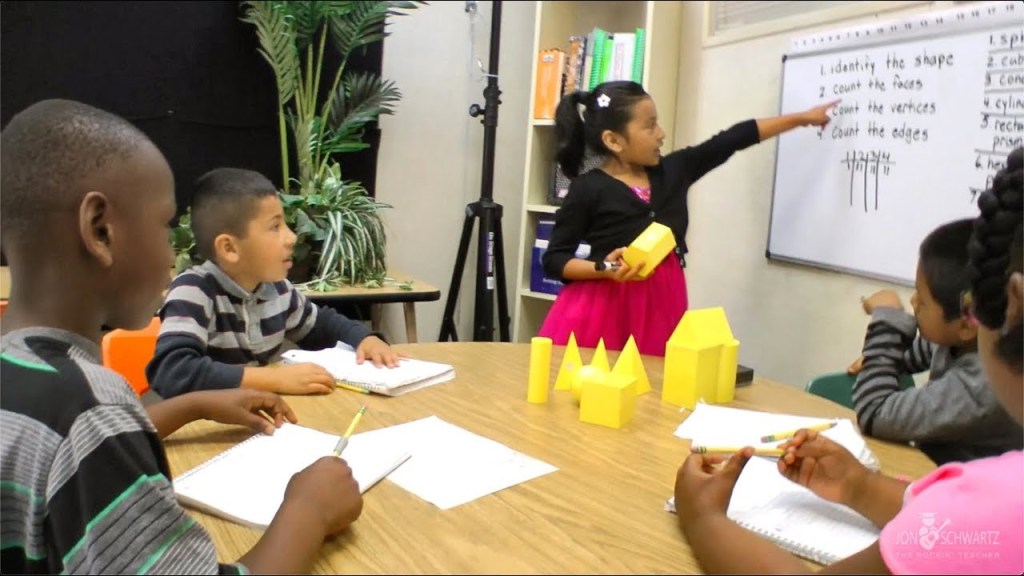
Cooperative learning groups involve dividing students into small teams, each with a mix of abilities and backgrounds. These groups then collaborate on tasks or projects, pooling their knowledge and skills to achieve success. This method encourages active participation from all members as they learn from one another’s strengths and weaknesses.
One of the key benefits of cooperative learning groups is increased engagement. Students who might be shy or struggle with individual assignments often find it easier to contribute within a group setting. By working together, they build confidence and develop interpersonal skills necessary for future success.
Moreover, cooperative learning promotes critical thinking and problem-solving abilities among students. During group discussions, participants are encouraged to think deeply about concepts, ask questions, challenge assumptions, and provide evidence-based arguments. This process allows them to explore multiple perspectives while honing their own analytical skills.
Furthermore, these collaborative settings foster empathy and social skills essential for building positive relationships later in life. Students learn how to communicate effectively with their peers, resolve conflicts amicably, listen actively, give constructive feedback, compromise when needed – valuable life lessons often overlooked in traditional educational models.
Additionally, cooperative learning groups encourage diversity by bringing together individuals from different backgrounds with unique experiences and viewpoints. This diversity not only enriches the overall learning experience but also prepares students for an increasingly globalized world where cultural understanding is vital.
Critics argue that this approach may lead to some individuals relying too heavily on their peers rather than developing independent problem-solving skills. While there may be instances where this occurs initially during the transition phase into cooperative learning groups; teachers can play a crucial role in guiding students towards autonomy.
In conclusion, cooperative learning groups offer numerous benefits for students. By fostering engagement, critical thinking, empathy, and diversity, this approach enriches the educational experience and prepares students for future success. While it may require some adjustments to traditional teaching methods, the rewards of collaborative learning make it a valuable tool in alternative education settings.
 Alternative Amie
Leave a comment