Funding for Research on Gifted Education Strategies and Practices
Introduction:
Gifted education is a crucial aspect of our educational system that aims to meet the unique needs of gifted and talented students. These students possess exceptional intellectual capabilities, creativity, and talent in specific areas. However, providing appropriate educational opportunities for these individuals requires careful planning and implementation of strategies tailored to their specific needs.
To ensure the success of gifted education programs, it is essential to conduct ongoing research that explores effective strategies and practices in this field. Unfortunately, funding for such research has been limited in recent years. In this article, we will discuss the importance of funding research on gifted education strategies and practices, explore its benefits, and propose potential solutions to increase financial support for this critical area of study.
The Importance of Funding Research on Gifted Education:
1. Enhancing understanding: Research helps us gain a deeper understanding of the unique characteristics and needs of gifted students. It enables educators to develop targeted interventions that cater specifically to their cognitive abilities, social-emotional well-being, and academic growth.
2. Identifying effective instructional methods: Through rigorous research studies, we can identify instructional methods that are most beneficial for gifted learners. This includes examining curriculum design approaches, differentiated instruction techniques, acceleration options (such as grade skipping or subject acceleration), enrichment activities beyond the regular classroom setting (e.g., competitions or mentorship programs), cluster grouping strategies within mixed-ability classrooms, etc.
3. Informing policy decisions: Research provides evidence-based data that informs policy decisions regarding funding allocation for gifted education programs at local, state, and national levels. It helps policymakers understand the necessity of investing resources in meeting the educational needs of gifted learners effectively.
4. Ensuring equity: Adequate funding allows researchers to explore issues related to diversity within gifted education programs by studying underrepresented populations such as minority students from low-income backgrounds or those with disabilities who may be twice-exceptional (gifted with a learning or physical disability). By focusing on equity, we can ensure that all gifted students have equal opportunities to thrive academically and personally.
Benefits of Funding Research on Gifted Education Strategies and Practices:
1. Improved identification processes: Research funding enables the development of reliable tools and measures for identifying giftedness accurately. This ensures that no gifted student goes unnoticed or underserved due to flawed identification methods.
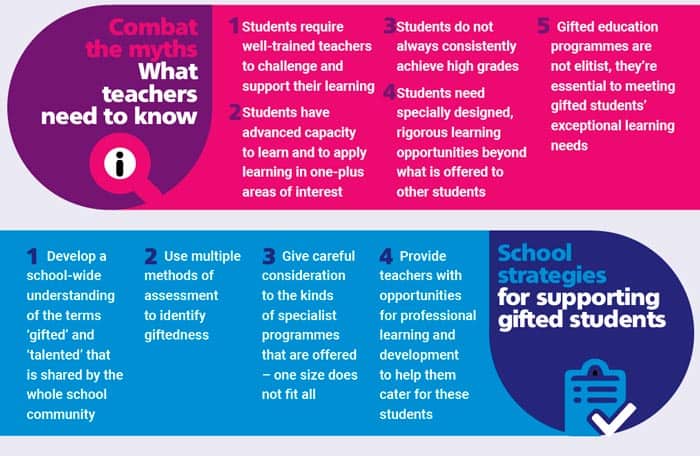
2. Enhanced teacher preparation and professional development: Adequate research funding allows for the creation of high-quality training programs that equip teachers with knowledge about effective strategies for working with gifted students. Professional development opportunities help educators stay updated on new research findings, enabling them to implement evidence-based practices in their classrooms.
3. Increased program effectiveness: Funding research in this field helps identify successful program models and best practices, leading to improved outcomes for gifted learners. These findings can be used by schools and districts to enhance existing programs or create new initiatives based on evidence-backed interventions.
4. Long-term societal impact: Investing in research on gifted education has long-term societal benefits as these highly capable individuals often become leaders, innovators, scientists, artists, entrepreneurs, or change-makers who contribute significantly to society’s progress.
Potential Solutions for Increasing Funding:
1. Government grants: Advocacy efforts should be directed towards securing government grants specifically allocated for research in the field of gifted education. Researchers can apply for these grants through competitive applications designed to fund studies exploring various aspects of improving educational opportunities for gifted learners.
2. Partnerships with foundations: Collaboration between researchers and philanthropic foundations interested in promoting education could lead to increased funding opportunities for studying different facets of gifted education strategies and practices.
3. Corporate sponsorships: Engaging corporations through strategic partnerships provides an avenue for financial support while also raising awareness about the importance of investing in exceptional talent within our educational systems.
4. Crowdfunding platforms: The power of community support should not be underestimated; crowdfunding platforms offer an accessible way to gather funds from individuals who believe in the importance of gifted education research.
Conclusion:
Funding research on gifted education strategies and practices is crucial for optimizing educational opportunities for gifted students. It plays a significant role in improving identification processes, enhancing teacher preparation, informing policy decisions, and ensuring equity within these programs. By investing in research, we can create more effective and inclusive educational environments that nurture the potential of our most exceptional learners. It is essential that policymakers, educators, researchers, foundations, corporations, and communities work together to secure adequate funding for this critical area of study. Only through collaborative efforts can we provide the necessary support needed to cultivate the talents of our gifted students and empower them to make valuable contributions to society as a whole.
 Alternative Amie
Leave a comment