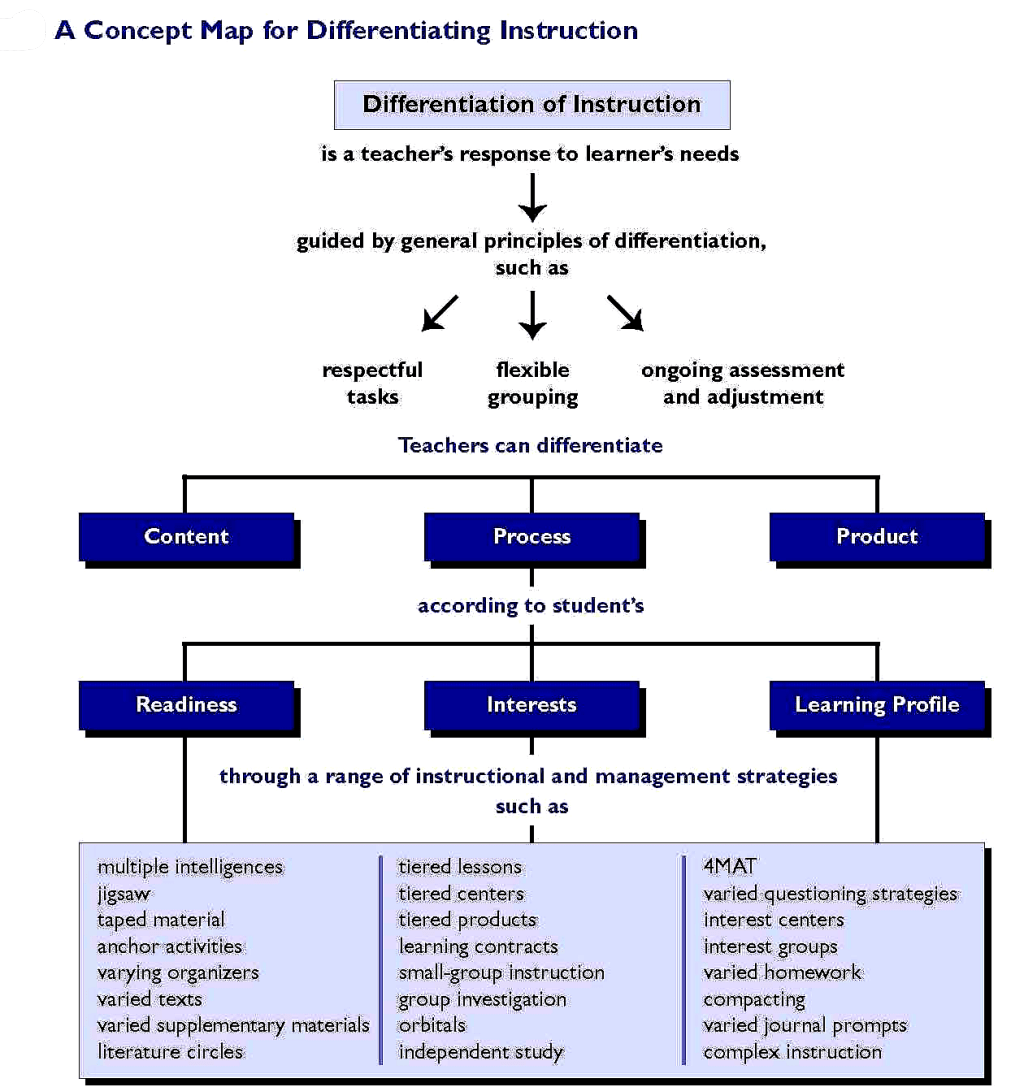
Differentiated Instruction: Supporting the Unique Needs of Every Learner
In traditional classrooms, teachers often follow a one-size-fits-all approach to education. However, every student is different, with unique strengths, weaknesses, interests, and learning styles. This is where differentiated instruction comes in – an approach that recognizes these differences and aims to provide each student with personalized learning experiences.
At its core, differentiated instruction tailors teaching methods and content to meet individual students’ needs. Rather than expecting all students to learn at the same pace or using standardized assessments as the sole measure of success, this approach allows educators to adapt their strategies based on students’ readiness levels and learning preferences.
One key aspect of differentiated instruction is providing multiple pathways for acquiring knowledge and demonstrating understanding. For instance, in a science class discussing photosynthesis, some students might prefer reading about it while others may grasp the concept better through visual aids or hands-on experiments. By offering various resources like textbooks, videos, interactive apps, and lab activities during lessons or assignments on the topic of photosynthesis (or any subject), teachers can cater to diverse learning styles and ensure that every student can engage with the content effectively.
Another important element of differentiated instruction is flexible grouping. Instead of keeping all students together throughout a lesson or unit regardless of their abilities or interests, instructors create small groups based on individual needs. These groups may be determined by skill level so that struggling learners receive additional support while advanced learners are challenged appropriately. Alternatively, grouping could be based on shared interests or project preferences so that students can collaborate effectively and explore topics they find personally meaningful.
Assessment also plays a crucial role in differentiation. Traditional tests may not accurately reflect what certain students have learned if they struggle with written expression but excel orally or visually. Teachers employing differentiated instruction use varied assessment methods such as performance tasks (e.g., creating presentations), portfolios showcasing different skills (e.g., writing samples alongside artwork), conferences between teachers and students, or self-assessment tools. By assessing students in ways that align with their strengths, educators gain a more accurate understanding of what each student has learned.
One might question how differentiated instruction can be implemented effectively given the constraints of time and resources. While it may seem challenging at first, there are several strategies that can make differentiation more manageable. These include using technology to provide personalized learning experiences, implementing station rotations where students move between different activities or projects based on their needs, allowing for student choice within assignments or topics, providing ongoing professional development for teachers to enhance their instructional skills, and collaborating with colleagues to share best practices.
Differentiated instruction is not about creating separate lessons for every single student; rather, it’s about creating an inclusive learning environment where all students feel supported and challenged appropriately. By recognizing and addressing individual differences through tailored teaching methods and content delivery, educators promote academic growth while fostering a sense of belonging among diverse learners. Ultimately, differentiated instruction empowers students to take ownership of their learning journey and equips them with the skills needed to succeed in an ever-changing world.
 Alternative Amie
Leave a comment