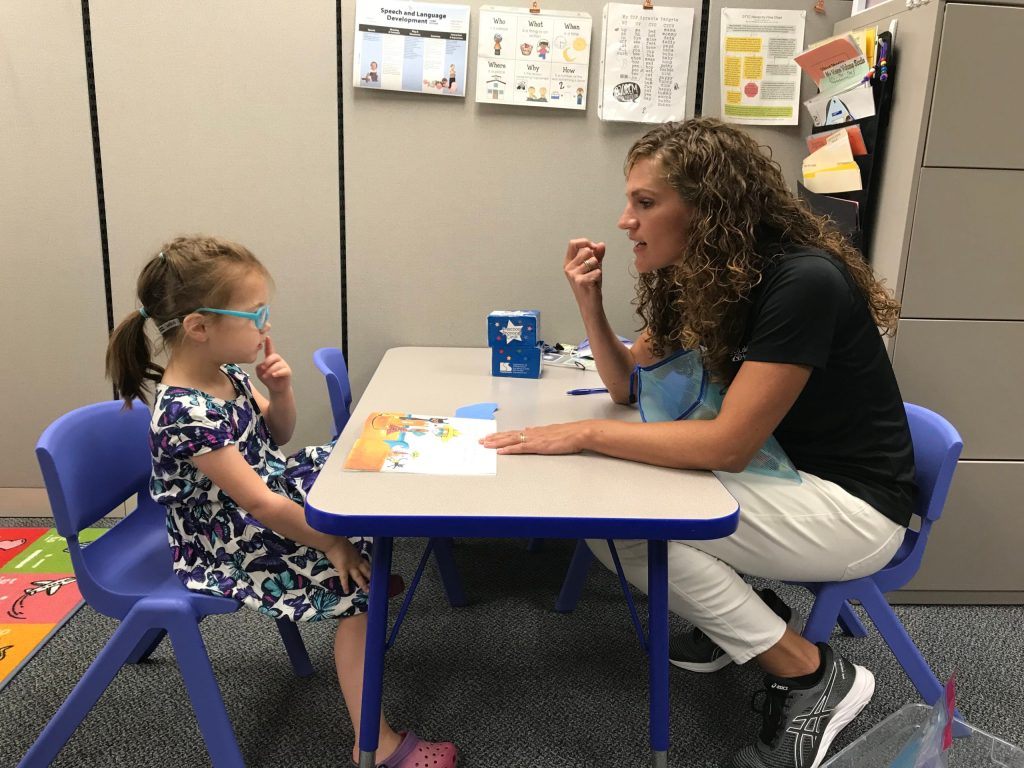
Speech and language therapy services play a crucial role in supporting individuals who struggle with communication difficulties. These services are designed to assess, diagnose, and treat various speech and language disorders, helping people develop effective communication skills. Whether it’s a child with a speech delay or an adult recovering from a stroke, speech and language therapy can significantly improve their quality of life. In this article, we will explore the top 8 benefits of speech and language therapy services.
1. Assessment and Diagnosis:
One of the primary benefits of speech and language therapy is conducting comprehensive assessments to identify communication challenges accurately. A trained therapist will evaluate different aspects such as articulation, fluency, voice quality, receptive/expressive language skills, pragmatics (social use of language), and swallowing abilities if necessary. Through these assessments, therapists gain valuable insights into the individual’s specific needs for targeted intervention.
2. Individualized Treatment Plans:
After identifying areas that require improvement through assessment processes, speech-language pathologists (SLPs) develop personalized treatment plans tailored to each client’s unique requirements. These plans outline specific goals and objectives that focus on enhancing communication skills effectively.
3. Speech Articulation Therapy:
Individuals with difficulty producing sounds or pronouncing words may benefit from articulation therapy provided by SLPs. This type of therapy focuses on correcting sound errors by teaching proper tongue placement, jaw movement techniques, breath control exercises, etc., ultimately improving intelligibility in speaking.
4. Language Development Intervention:
Speech-language pathologists also address delays or disorders related to receptive (understanding spoken/written information) and expressive (using words/sentences appropriately) language skills during therapy sessions. They employ various strategies like vocabulary expansion activities, sentence structure practice exercises, storytelling tasks to help clients improve their overall ability to comprehend and express themselves verbally.
5. Fluency/Stuttering Management:
Stuttering is another common issue addressed by speech therapists using specialized techniques like modified stuttering therapy, fluency shaping approaches, or strategies for managing dysfluencies. These interventions aim to reduce the frequency and severity of stuttering episodes while improving overall speech fluency.
6. Voice Therapy:
People with voice disorders may undergo voice therapy sessions with SLPs who specialize in this area. Through vocal exercises, breathing techniques, and vocal hygiene practices, therapists work to improve pitch control, volume modulation, resonance quality, and overall vocal health.
7. Social Communication Training:
Speech and language therapy isn’t just about improving verbal communication; it also focuses on enhancing non-verbal aspects like body language, facial expressions, eye contact – all crucial components of social communication skills. Therapists employ role-playing activities, video modeling techniques, group discussions to help individuals develop effective social interaction abilities necessary for daily life interactions.
8. Swallowing and Feeding Therapy:
For individuals experiencing swallowing difficulties due to medical conditions or neurological impairments (e.g., stroke), speech-language pathologists provide swallowing and feeding therapy services as part of their comprehensive treatment plans. This involves assessing oral motor function and implementing appropriate strategies to enhance safe swallowing patterns.
In addition to these specific benefits of speech and language therapy services mentioned above, there are several overarching advantages worth noting:
– Early Intervention: Speech therapists can work with children as young as infants when signs of delayed communication emerge. Early intervention has been shown to have a significant impact on long-term outcomes.
– Holistic Approach: Speech-language pathologists often collaborate with other professionals such as occupational therapists or psychologists when addressing complex cases involving multiple domains (e.g., autism spectrum disorder).
– Improved Confidence: As individuals progress in their speech and language goals through therapy sessions, they gain confidence in their ability to communicate effectively.
– Enhanced Academic Performance: Children receiving speech-language therapy often demonstrate improved performance in school settings due to better understanding instructions given by teachers.
– Support for Families/Caregivers: Speech and language therapy services often involve educating families or caregivers on communication strategies, creating a supportive environment for continued progress outside of therapy sessions.
In conclusion, speech and language therapy services provide invaluable support to individuals struggling with various communication challenges. Through assessment, diagnosis, and personalized treatment plans, these services aim to improve articulation, language development, fluency/stuttering management, voice quality, social skills, swallowing abilities – ultimately enhancing overall quality of life. With early intervention and a holistic approach that involves collaboration with other professionals when needed, speech-language pathologists play a vital role in helping individuals overcome their communication difficulties.
 Alternative Amie
Leave a comment