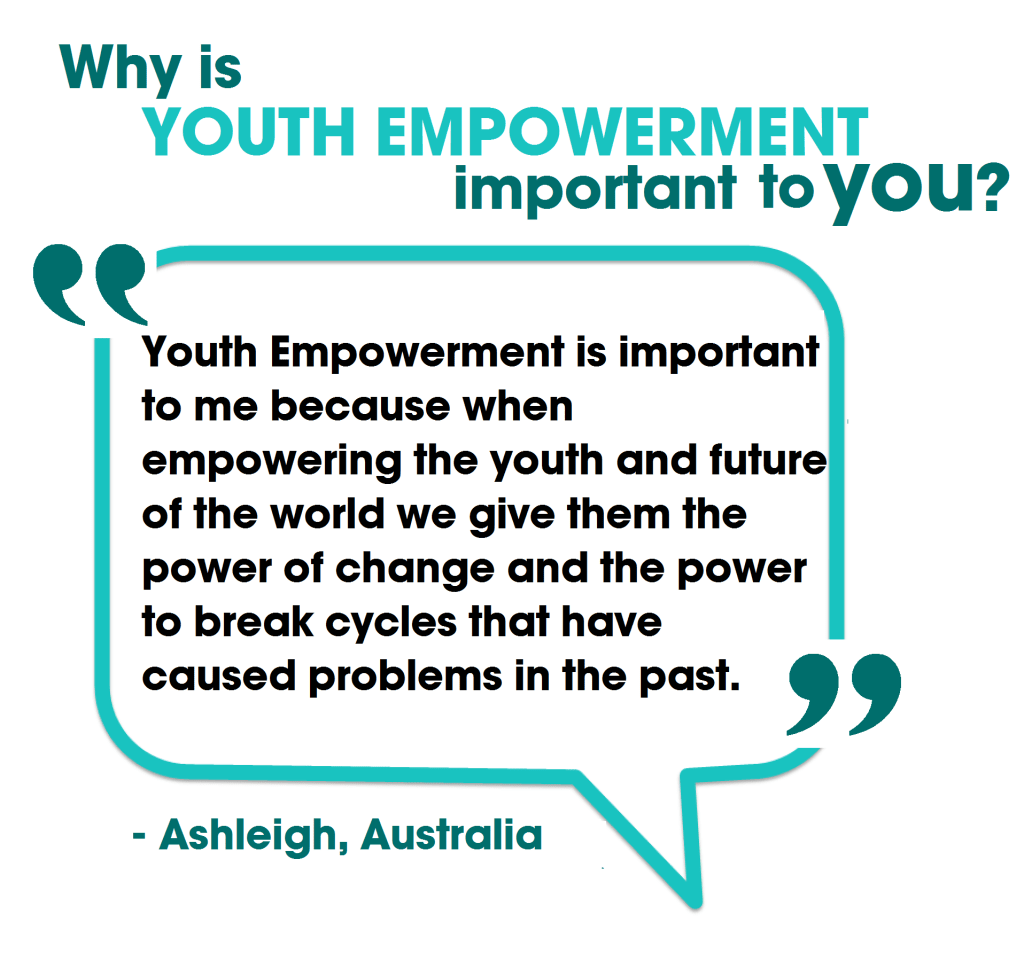
Youth Empowerment: Unlocking the Potential of the Next Generation
Introduction:
In recent years, there has been a growing realization that traditional schooling systems often fail to adequately prepare young individuals for the challenges and opportunities they will face in their adult lives. As a result, alternative forms of education have gained popularity, focusing on empowering youth to become active participants in shaping their own futures. This case study explores the concept of youth empowerment and its impact on education.
Defining Youth Empowerment:
Youth empowerment is an approach that seeks to equip young individuals with the knowledge, skills, confidence, and agency necessary to make informed decisions about their lives and actively participate in society. It recognizes that young people possess unique perspectives, talents, and potential contributions that should be nurtured rather than suppressed.
Alternative Education: A Catalyst for Youth Empowerment:
Traditional schooling often adopts a one-size-fits-all model that does not cater to individual strengths or interests. Alternative education approaches aim to break free from these constraints by embracing flexibility and personalized learning experiences. Such models include homeschooling, democratic schools, Montessori education, project-based learning institutions, and community-led programs.
These alternative educational settings foster an environment where students are encouraged to take ownership of their learning journey. They provide flexible curricula tailored to individual needs while promoting critical thinking skills and fostering creativity through hands-on projects. By emphasizing self-directed learning and autonomy within boundaries set collaboratively with educators or mentors, alternative education empowers youth by giving them agency over their own educational pursuits.
Components of Effective Youth Empowerment Programs:
To effectively empower young individuals through education requires comprehensive strategies encompassing various key components:
1. Student-Centered Learning: Shifting the focus from teachers as authority figures towards students as active participants is crucial. Encouraging student input in decision-making processes helps foster a sense of ownership over one’s learning experience.
2. Mentorship Opportunities: Providing access to mentors and role models who can guide and inspire students is invaluable. Mentors can offer support, advice, and real-world perspectives that complement classroom instruction.
3. Civic Engagement: Encouraging youth to engage with their communities helps develop a sense of responsibility towards society while building important skills such as leadership, teamwork, and problem-solving.
4. Skill Development: Equipping young individuals with practical skills beyond academic knowledge enhances their employability and overall life preparedness. Skills such as critical thinking, communication, financial literacy, entrepreneurship, and digital literacy are essential in today’s rapidly changing world.
5. Emotional Well-being Support: Recognizing the importance of mental health and emotional well-being is crucial for empowering youth. Providing resources for counseling or mindfulness practices helps create a supportive environment where students feel safe to express themselves.
Case Study: The Green Valley Alternative School
To illustrate the impact of youth empowerment through alternative education approaches, let us examine the case of Green Valley Alternative School (GVAS). Founded in 2010 by a group of passionate educators seeking to redefine education in their community, GVAS has become a leading example of how alternative education can empower young individuals.
At GVAS, students have the freedom to design their own learning paths within broad guidelines set collaboratively by teachers and students alike. The school combines elements from Montessori education with project-based learning methodologies to create an engaging educational experience for its diverse student body.
One unique aspect of GVAS is its emphasis on community involvement. Students regularly collaborate with local businesses on projects that address real-world challenges faced by the community. By actively engaging with external stakeholders outside the traditional classroom setting, students develop valuable skills such as networking, problem-solving, and communication within authentic contexts.
Furthermore, GVAS places great importance on mentorship programs where each student is paired with a mentor from their field of interest or expertise. These mentors provide guidance not only academically but also in terms of personal and professional development. This mentorship component has proven instrumental in helping students explore their passions, set goals, and navigate potential career paths.
The holistic approach to education at GVAS extends beyond academic pursuits. The school recognizes the importance of emotional well-being and provides regular mindfulness sessions, counseling services, and extracurricular activities that promote physical health and social connections. By prioritizing the overall well-being of its students, GVAS creates an environment conducive to personal growth and empowerment.
Outcomes of Youth Empowerment Through Alternative Education:
Youth empowerment through alternative education has demonstrated numerous positive outcomes for young individuals:
1. Increased Motivation: Students who have agency over their learning process are more motivated to excel academically. They develop a sense of purpose as they pursue subjects aligned with their interests.
2. Improved Confidence: Taking ownership of one’s education fosters self-confidence in young individuals. They become more willing to take risks, voice opinions, and actively contribute within various contexts.
3. Enhanced Critical Thinking Skills: Alternative education models encourage independent thinking and problem-solving abilities by engaging students in hands-on projects that require creativity and critical analysis.
4. Greater Civic Engagement: Empowered youth are more likely to engage in community-based initiatives aimed at making a positive impact on society.
5. Smooth Transition into Adulthood: By developing practical skills alongside academic knowledge, empowered youth are better prepared for the challenges they will face as adults – whether pursuing higher education or entering the workforce.
Conclusion:
Youth empowerment through alternative education approaches offers a transformative way forward in addressing the limitations of traditional schooling systems. By creating student-centered learning environments where young individuals have agency over their educational journey, we unlock their full potential as active contributors to society.
The case study of Green Valley Alternative School exemplifies how comprehensive strategies encompassing personalized learning experiences, mentorship opportunities, civic engagement components, skill development programs, and emotional well-being support can empower youth effectively. The outcomes of youth empowerment through alternative education highlight the importance of nurturing young individuals’ talents, fostering critical thinking skills, and preparing them for a rapidly changing world.
As we continue to explore alternative educational models and strategies that prioritize youth empowerment, it is essential to recognize that every individual has unique strengths and learning styles. By embracing flexibility, personalization, and collaboration between educators, students, families, and communities, we can ensure that education becomes a transformative force in unlocking the potential of the next generation.
 Alternative Amie
Leave a comment