Mathematics in Everyday Life
Q: Why is mathematics important in everyday life?
A: Mathematics plays a crucial role in our daily lives, whether we realize it or not. It helps us make sense of the world around us and enhances our problem-solving skills. From managing finances to measuring ingredients for a recipe, mathematics is an essential tool that empowers us to navigate through various aspects of our routine. In this Q&A style post, we will explore how mathematics impacts different areas of our everyday lives.
Q: How does mathematics influence financial management?
A: Managing finances effectively requires mathematical skills and concepts such as budgeting, calculating interest rates, understanding percentages, and analyzing data. Budgeting involves estimating income and expenses, allowing individuals to allocate their resources efficiently. Understanding interest rates allows borrowers to determine the total amount they will repay over time when taking out loans or using credit cards.
Moreover, being able to calculate percentages enables individuals to compare prices while shopping or evaluate discounts offered by retailers. Analyzing data helps individuals make informed decisions regarding investments or savings plans based on trends and projections.
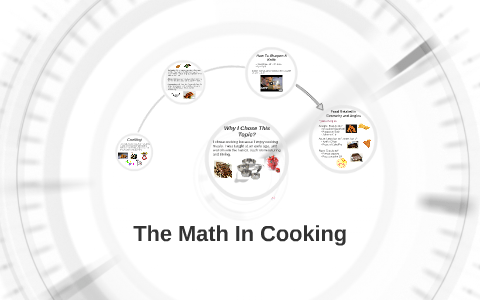
Q: How does mathematics impact cooking and baking?
A: Mathematics is often used in cooking and baking recipes. Accurate measurements are critical for achieving desired outcomes when preparing dishes or baked goods. Whether it’s measuring flour for a cake or salt for pasta water, precise measurements ensure consistency and quality in the final product.
In addition to measurement accuracy, fractions play a significant role in modifying recipe quantities according to serving sizes or adjusting ingredient ratios for taste preferences. For example, if a recipe calls for 1 cup of sugar but only half the quantity is desired due to dietary restrictions or personal preference, knowledge of fractions allows one to adjust accordingly by using ½ cup instead.
Furthermore, timing plays an essential role in culinary arts as well as other areas influenced by math principles like chemistry—such as determining optimal cooking times based on weights or volumes—to ensure food is cooked thoroughly and safely.
Q: How does mathematics contribute to travel?
A: Mathematics plays a crucial role in various aspects of travel, including navigation, estimating distances, and calculating travel expenses. GPS systems use mathematical algorithms to determine the shortest or fastest routes between destinations. By analyzing data such as traffic flow and speed limits, these devices optimize travel time for drivers.
Estimating distances is also essential when planning road trips or determining fuel consumption. Knowledge of basic geometry helps individuals calculate the distance between two points on a map accurately. This information allows travelers to plan their journey effectively by estimating how long it will take and how much fuel they might need.
Moreover, mathematics aids in calculating travel expenses by considering variables such as flight costs, accommodation rates, transportation fees, and daily budgets. Budgeting for trips requires individuals to analyze different options mathematically while considering factors like exchange rates or discounts offered by airlines or hotels.
Q: How does mathematics influence home improvement projects?
A: Home improvement projects often involve measurements and calculations that require mathematical skills. For example, when renovating a room and buying new flooring tiles or wallpaper rolls based on square footage measurements, understanding area calculations ensures purchasing the right quantities without wasting materials.
Additionally, angles are crucial when installing fixtures or building furniture pieces from scratch. Accurate angle measurements ensure proper alignment while assembling cabinets or hanging shelves securely.
Furthermore, knowledge of ratios helps homeowners decide on appropriate paint mixes for specific colors while maintaining consistency throughout the space being redecorated.
Q: How does mathematics impact time management?
A: Time management relies heavily on mathematical principles such as estimation and scheduling. Estimating time allows individuals to allocate resources efficiently by predicting how long specific tasks will take to complete within a given timeframe. This skill enables better planning for work-related deadlines or personal commitments alike.
Scheduling involves breaking down activities into manageable segments using techniques like Gantt charts or timelines—both of which rely heavily on mathematical calculations. By allocating time slots and prioritizing tasks mathematically, individuals can improve productivity and ensure all responsibilities are met within the available time.
In conclusion, mathematics is an integral part of our everyday lives. From managing finances to cooking, from traveling to home improvement projects, and even in time management, mathematical skills enable us to make informed decisions and solve problems efficiently. Recognizing the significance of mathematics in our daily routines helps us appreciate its practical applications and encourages continuous learning for personal growth.
 Alternative Amie
Leave a comment