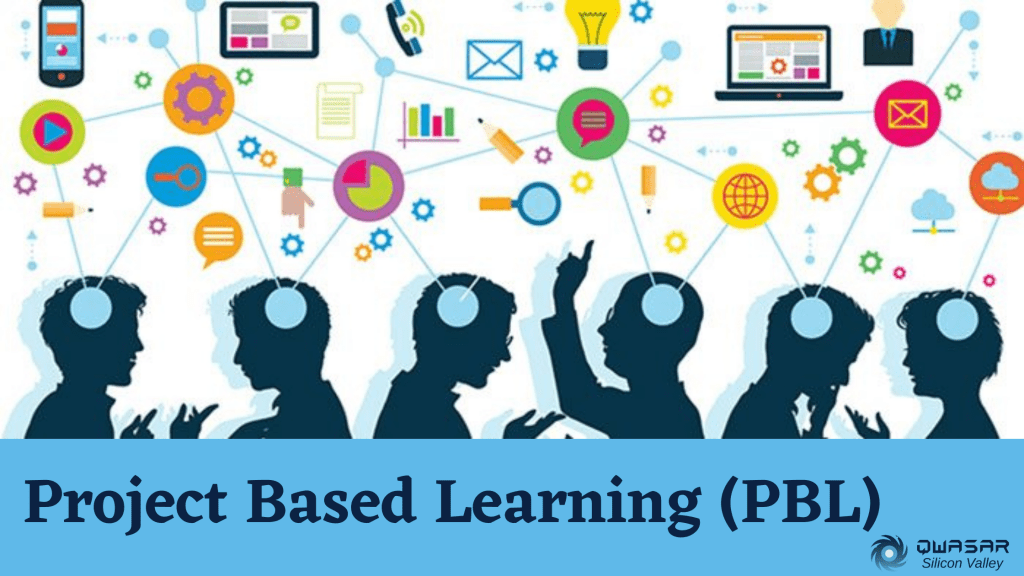
Project-Based Learning: A Holistic Approach to Education
In traditional education systems, students often find themselves passively absorbing information from textbooks and lectures without truly understanding how this knowledge can be applied in real-world contexts. However, an innovative approach known as project-based learning (PBL) is gaining popularity as an alternative method of education that actively engages students in hands-on, experiential learning experiences.
What is Project-Based Learning?
Project-based learning involves students working on long-term projects that delve into complex topics or problems. These projects are designed to enable students to explore and apply their knowledge across multiple subjects while developing essential skills such as critical thinking, problem-solving, collaboration, and creativity.
Instead of simply memorizing facts and regurgitating them on exams, PBL encourages students to become active participants in their own learning journey. Through self-directed inquiry and research, they develop a deeper understanding of the subject matter by applying it to real-life scenarios.
Benefits of Project-Based Learning
1. Engages Students’ Interests: By allowing students to choose projects aligned with their interests or passions, PBL taps into intrinsic motivation. When learners are personally invested in the topic at hand, they are more likely to be engaged throughout the entire process.
2. Enhances Critical Thinking Skills: Project-based learning requires students to analyze complex problems from various perspectives and develop creative solutions. This fosters critical thinking skills that are crucial for success both inside and outside the classroom.
3. Encourages Collaboration: In today’s interconnected world, collaboration has become an essential skill for success. PBL promotes teamwork by encouraging group work where students collaborate on tasks such as brainstorming ideas or dividing responsibilities within a project.
4. Develops Real-World Application: Traditional education often struggles to bridge the gap between theory learned in classrooms and its practical application in real life situations. With PBL, students tackle authentic challenges that mimic scenarios encountered outside school walls – whether it’s designing a sustainable city, creating a business plan, or researching solutions to global issues.
5. Fosters Self-Directed Learning: Project-based learning empowers students to take ownership of their education by setting goals, managing their time effectively, and making informed decisions about the project’s direction. This autonomy nurtures lifelong learners who are capable of self-directed exploration.
Implementing Project-Based Learning
While project-based learning offers numerous benefits for students, implementing this approach requires careful planning and support from educators. Here are some key steps to successfully integrate PBL into the curriculum:
1. Define Clear Objectives: Clearly articulate the learning objectives and desired outcomes at the beginning of each project so that students understand what they are expected to achieve.
2. Establish Authentic Connections: Design projects that have real-world relevance and connections across multiple subjects. By drawing upon interdisciplinary concepts, students can see how different areas of knowledge intersect in practice.
3. Facilitate Inquiry-Based Learning: Encourage students to ask questions and guide them towards conducting research independently. This fosters curiosity and helps develop critical thinking skills as they seek answers through exploration.
4. Provide Ongoing Support: Teachers should facilitate discussions, offer guidance when needed, provide resources for research or experimentation, and continuously assess student progress throughout the duration of the project.
5. Encourage Reflection: Incorporate regular opportunities for self-reflection throughout each project phase so that students can evaluate their learning journey, identify areas for improvement, celebrate successes, and gain insights into their own growth as learners.
Project-Based Learning Success Stories
Many schools around the world have successfully implemented PBL with remarkable results:
1. High Tech High (San Diego): Known for its commitment to experiential learning through projects spanning diverse fields such as film-making or urban agriculture.
2. Big Picture Schools (United States): These schools personalize education by tailoring projects based on individual student interests while also incorporating internships and real-world experiences.
3. Green School (Bali): This unique school combines sustainability education with project-based learning, empowering students to become environmentally conscious global citizens.
4. Studio Schools (United Kingdom): These schools provide a combination of academic studies and practical projects, preparing students for future careers through hands-on experiences.
In conclusion, project-based learning offers an alternative approach to traditional education that promotes active engagement, critical thinking skills, collaboration, and the application of knowledge in real-world contexts. By implementing PBL strategies in classrooms worldwide, educators can transform the educational experience into one that empowers students for success in an ever-changing world.
 Alternative Amie
Leave a comment