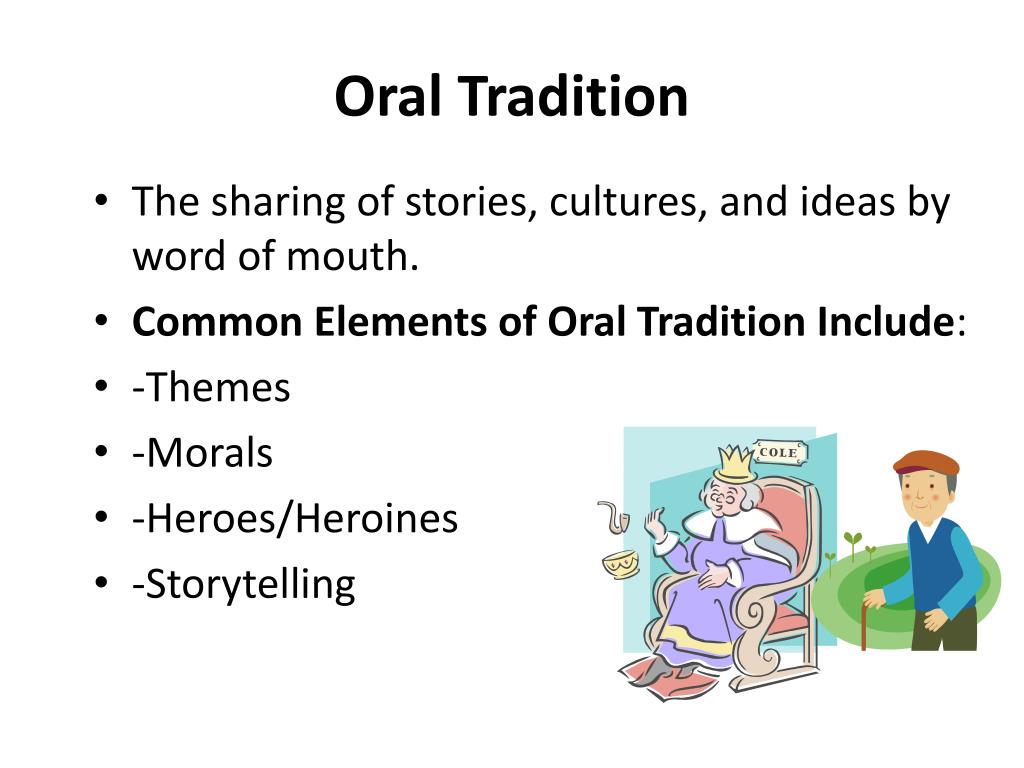
Oral Storytelling Traditions in Different Cultures: Preserving Cultural Heritage Through Narratives
Introduction:
Oral storytelling is an ancient tradition that has been passed down through generations in various cultures around the world. It serves as a means of preserving cultural heritage, sharing knowledge, and entertaining communities. In this panel discussion-style post, we will explore oral storytelling traditions in different cultures and highlight their significance.
Panelists:
1. Dr. Amina Gupta – Anthropologist specializing in South Asian folklore
2. Prof. Carlos Ramirez – Indigenous Studies scholar with expertise on Native American storytelling
3. Ms. Mei Ling – Chinese Folklore expert
4. Mr. Ahmed Hassan – African Griot (Storyteller)
Moderator: Welcome to our panel discussion on oral storytelling traditions! Let’s begin by discussing the importance of oral storytelling in preserving cultural heritage.
Dr. Amina Gupta: Oral storytelling plays a crucial role in South Asian cultures, particularly India, where it is deeply embedded in religious practices and community life. Stories from Hindu epics like Ramayana and Mahabharata are shared orally to teach moral lessons while preserving cultural values across generations.
Prof. Carlos Ramirez: Similarly, among Native American communities, oral storytelling is an integral part of passing down history, spiritual beliefs, and tribal customs from one generation to another.
Ms Mei Ling: In Chinese culture too, oral stories have been used for thousands of years to transmit wisdom and moral teachings across generations while instilling pride in one’s heritage.
Mr Ahmed Hassan: In many African cultures, including West Africa where I am from, griots or storytellers serve as keepers of historical memory by orally recounting tales about ancestors’ exploits and significant events within the community.
Moderator: Fascinating! It’s clear that these traditions hold immense value for each culture involved.
Now let’s delve deeper into specific aspects of these oral storytelling traditions.
Narrative Themes and Techniques:
Dr. Amina Gupta: In South Asia, storytelling often revolves around mythical creatures, gods, and goddesses. The use of vivid imagery, metaphors, and repetition captivates listeners while engaging their imagination. The stories are also loaded with moral lessons that teach values like honesty, bravery, and humility.
Prof. Carlos Ramirez: Native American storytelling emphasizes the interconnectedness between humans and nature. Animals are often anthropomorphized to represent different characteristics or life lessons in these tales. The rhythmic patterns of language used by storytellers create a sense of continuity and harmony with the natural world.
Ms Mei Ling: Chinese folklore is rich in legends featuring heroes, mythical creatures like dragons and phoenixes, as well as historical figures from various dynasties. Symbolism plays a significant role in these narratives to convey deeper meanings within the stories.
Mr Ahmed Hassan: African griots employ call-and-response techniques during storytelling sessions to create an interactive experience for the audience. This allows them to actively engage with the narrative while preserving cultural traditions through participatory oral recitation.
Challenges Faced in Preserving Oral Storytelling Traditions:
Moderator: Despite its significance, oral storytelling faces several challenges today due to globalization and modernization processes. What are some challenges you have encountered?
Dr. Amina Gupta: With rapid urbanization in South Asia comes a decline in traditional village life where oral storytelling thrived. Younger generations are becoming disconnected from their cultural roots due to Western influences and technological advancements.
Prof Carlos Ramirez: Among Native American communities too, there is an increasing struggle to pass down traditional knowledge orally as younger generations face distractions from mainstream media and modern educational systems that prioritize written forms of communication over oral traditions.
Ms Mei Ling: In China’s rapidly changing society, traditional storytelling has taken a backseat as electronic media dominates people’s leisure time activities.
Mr Ahmed Hassan: In Africa as well, globalization has led to a gradual erosion of oral storytelling traditions. The younger generation is more exposed to Western media, and the role of griots has diminished significantly.
Preserving Oral Storytelling Traditions:
Moderator: What can be done to preserve these invaluable oral storytelling traditions?
Dr. Amina Gupta: It’s crucial for communities and educational institutions to recognize the importance of incorporating oral storytelling in formal education settings. This ensures that future generations appreciate their cultural heritage while also harnessing the power of technology to record and share stories digitally.
Prof Carlos Ramirez: Native American tribes have started community initiatives where elders pass on their knowledge through workshops, language immersion programs, and storytelling events. Collaborative efforts with schools and universities can help integrate traditional storytelling into mainstream education as well.
Ms Mei Ling: In China, organizations are working towards reviving interest in traditional stories by holding festivals, contests, and publishing bilingual books that include both Chinese characters and phonetic translations for non-native speakers.
Mr Ahmed Hassan: African countries are recognizing the need for preserving oral traditions by establishing cultural centers dedicated to training young griots in the art of storytelling. Government support is crucial in providing platforms for griots to perform regularly at local events or international festivals.
Conclusion:
Oral storytelling traditions serve as vital bridges between past, present, and future generations within diverse cultures worldwide. By understanding their significance, acknowledging challenges faced today, and actively supporting preservation efforts through education systems and community initiatives, we can ensure these rich narratives continue to thrive in our ever-changing world. Let us cherish these timeless tales that bind us together as humanity moves forward into an increasingly interconnected global society.
 Alternative Amie
Leave a comment