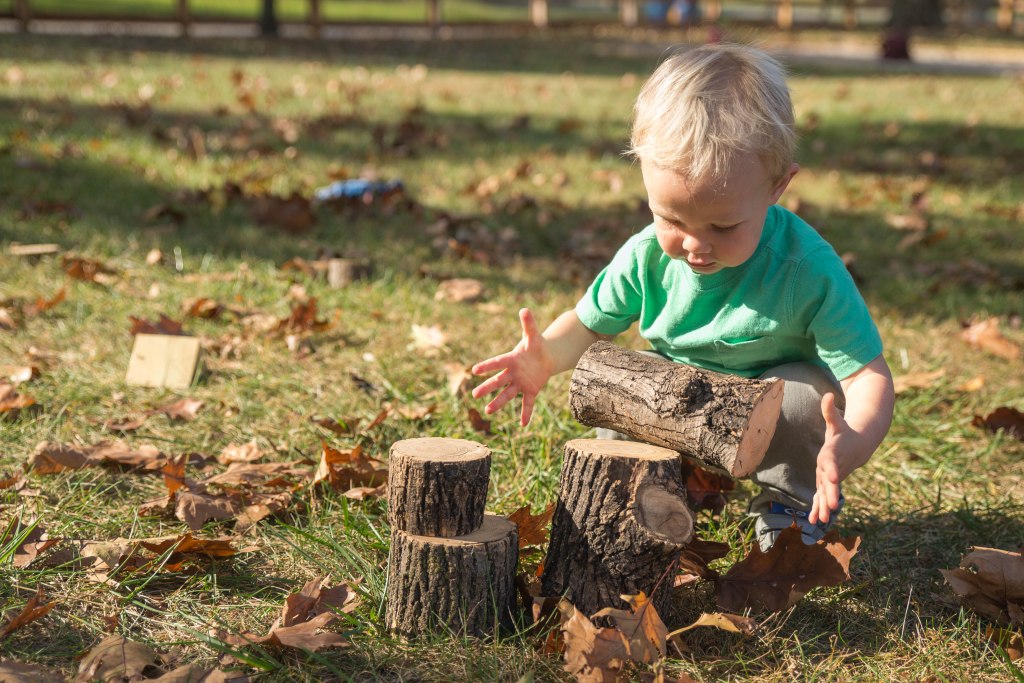
Outdoor education is a unique and valuable approach to learning that takes place outside of traditional classroom settings. It offers students the opportunity to explore, discover, and engage with the natural world while developing important life skills. By combining academic concepts with hands-on experiences in nature, outdoor education provides a holistic and immersive learning experience for students of all ages.
One of the main goals of outdoor education is to foster a deep connection between students and the natural environment. Spending time outdoors helps children develop an appreciation for nature, leading to increased environmental awareness and concern. Through activities such as hiking, camping, gardening, and wildlife observation, students learn about ecosystems, biodiversity, sustainability, and conservation. This not only enhances their understanding of science but also instills a sense of responsibility towards preserving our planet.
In addition to environmental literacy, outdoor education promotes physical health and well-being. Being active outdoors allows students to engage in physical activities like hiking or team sports while enjoying fresh air and sunshine. Regular exposure to nature has been shown to reduce stress levels, improve mental health outcomes such as reduced anxiety and depression symptoms in individuals young or old alike.
Moreover Outdoor Education encourages personal growth by providing opportunities for self-discovery and overcoming challenges. Students are encouraged to step out of their comfort zones through activities like rock climbing or wilderness survival training which builds confidence resilience perseverance problem-solving skills teamwork collaboration communication adaptability leadership traits among other qualities needed for success not just academically but also in life beyond school years.
Outdoor education programs often incorporate experiential learning techniques where concepts taught in traditional classrooms are applied practically in real-world situations. For example studying physics can be reinforced when constructing rafts for river crossing over water bodies; Learning mathematics can be integrated into orienteering exercises using compass bearings coordinates distances; Art classes can take inspiration from landscapes portraits inspired by surroundings etcetera
Furthermore outdoor education encourages social interaction collaboration teamwork amongst peers thereby fostering positive relationships empathy respect inclusiveness cultural competency understanding and appreciation of diversity among students. It provides a platform for students to work together towards common goals and develop effective communication skills which are essential for success in both personal and professional life.
Outdoor education is not limited to just day trips or short excursions. Many alternative schools offer full-time outdoor education programs where students spend extended periods living and learning in natural environments. These immersive experiences allow for deeper connections with nature, fostering a strong sense of stewardship and environmental responsibility.
In conclusion, outdoor education provides a unique opportunity for holistic learning by combining academic concepts with hands-on experiences in the natural world. It promotes environmental awareness, physical health, personal growth, experiential learning, social interaction, and cultural competency. By connecting students with nature and encouraging them to explore their environment, outdoor education equips them with valuable skills that extend far beyond the classroom walls. Whether it’s through day trips or full-time programs, this approach to learning offers a transformative experience that nurtures curious minds while instilling values of sustainability and conservation in our future generations
 Alternative Amie
Leave a comment