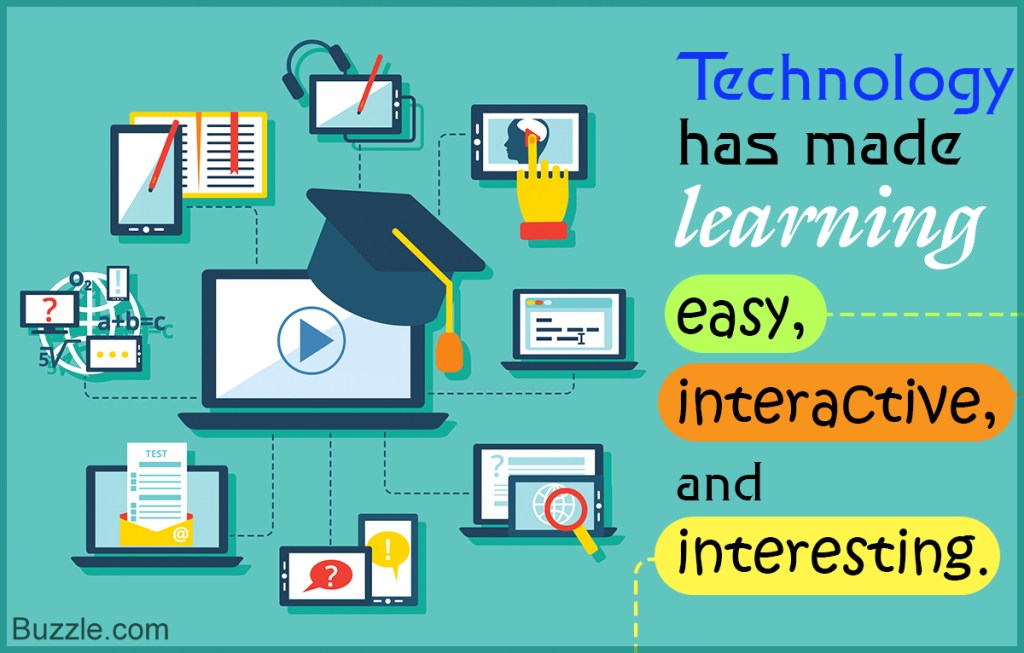
Technology: The Ultimate Solution to All Our Education Problems?
In today’s fast-paced world, technology has become an integral part of our lives. From smartphones and tablets to laptops and virtual reality headsets, we are surrounded by devices that promise to make our lives easier, more convenient, and even more educational. As alternative schooling and education continue to gain popularity, it is natural to wonder if technology can play a significant role in transforming the way we learn.
While technology undoubtedly has its benefits in the realm of education, it is essential to approach it with caution and skepticism. While some may argue that technology is the ultimate solution to all our education problems, there are several aspects that need consideration before embracing this viewpoint wholeheartedly.
Firstly, let us acknowledge the positive impact that technology has had on education. With the advent of online platforms and resources, students now have access to a vast array of information at their fingertips. Whether it’s researching for assignments or exploring new concepts through interactive videos and simulations, learners can explore beyond what traditional textbooks offer.
Moreover, technology enables personalized learning experiences tailored to individual needs. Educational apps and software provide adaptive learning pathways where students can progress at their own pace. This flexibility allows for a customized approach that caters specifically to each student’s strengths and weaknesses.
Additionally, distance learning has become increasingly accessible through technological advancements. Online courses provide opportunities for individuals who cannot attend physical classrooms due to geographical constraints or personal circumstances. It opens up doors for lifelong learners who wish to acquire new skills or knowledge without disrupting their daily routines.
However, as we delve deeper into the world of educational technology (edtech), we must confront its limitations too. One major concern revolves around equity in access. Not all students have equal access to digital devices or reliable internet connections outside school premises—a significant hindrance when attempting virtual learning initiatives.
Furthermore, excessive screen time poses health risks such as eye strain or musculoskeletal issues among students. The sedentary nature of using technology for education can contribute to a lack of physical activity, which is crucial for overall well-being and cognitive development.
Another aspect that deserves attention is the potential loss of human connection in the learning process. Education involves more than just acquiring knowledge; it thrives on interpersonal relationships, discussions, and collaborative problem-solving. Technology may inadvertently isolate learners from their peers and teachers if not utilized in a balanced manner.
Moreover, relying too heavily on technology can hinder critical thinking skills and creativity. While edtech tools provide ready-made solutions or answers, they do not always encourage deep understanding or independent thought processes. When students are constantly directed by algorithms or guided by pre-determined pathways, they may lose the ability to think critically and creatively.
The role of educators also needs reevaluation in this context. Teachers play an instrumental role in shaping young minds and fostering a love for learning. As technology takes center stage in classrooms, it is crucial to ensure that educators are adequately trained to navigate these digital landscapes effectively. They need support to integrate edtech seamlessly into their teaching practices while maintaining a balance between utilizing technological tools and nurturing essential skills like critical thinking, emotional intelligence, and problem-solving.
Furthermore, we must be cautious about becoming overly reliant on technology as a substitute for face-to-face interactions between teachers and students. Human interaction provides valuable opportunities for mentorship, guidance, emotional support, motivation – aspects that cannot be replicated entirely through virtual means.
In conclusion, while technology undoubtedly offers numerous benefits when integrated thoughtfully into alternative schooling and education settings; it should not be seen as the ultimate solution to all our education problems. The advantages of enhanced access to information or personalized learning experiences should go hand-in-hand with addressing concerns related to equity in access or health implications resulting from excessive screen time.
As we embrace educational technologies as powerful tools in our quest for effective education models outside traditional systems, we must remain mindful of the potential drawbacks. By striking a delicate balance between technology and human interaction, we can harness the full potential of edtech while ensuring that students receive a holistic and enriching learning experience.
So, let us embrace technology as an ally in education but remember to keep our eyes open, our minds critical, and our hearts centered on what truly matters – the growth and development of every learner.
 Alternative Amie
Leave a comment