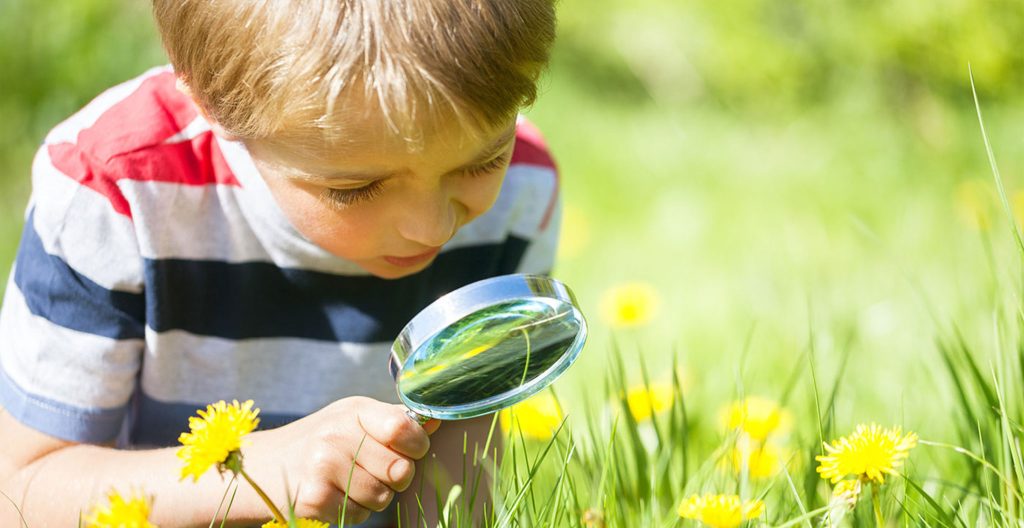
Outdoor Education: Learning Through Nature
In recent years, there has been a growing interest in alternative forms of education that provide unique and enriching experiences for students. One such approach is outdoor education, which takes learning beyond the traditional classroom setting and into the great outdoors. Outdoor education programs aim to foster personal growth, develop environmental awareness, and enhance academic learning through hands-on experiences in nature.
At its core, outdoor education combines experiential learning with environmental stewardship. Students are encouraged to actively engage with their surroundings, observe natural phenomena, and participate in activities that challenge them physically and mentally. These experiences help cultivate a sense of curiosity and wonder about the natural world while also developing important life skills such as problem-solving, teamwork, resilience, and self-confidence.
One of the key benefits of outdoor education is its ability to connect students with nature. Spending time outdoors allows children to develop a deeper appreciation for the environment and understand their role in preserving it. By exploring forests, mountains, rivers, or even urban green spaces, students can learn about ecosystems firsthand – studying plant and animal life cycles or investigating how human actions impact local habitats.
Moreover, outdoor education has been shown to have positive effects on academic achievement. Studies have found that incorporating outdoor learning into curriculum not only enhances student engagement but also improves retention rates. The hands-on nature of outdoor activities helps solidify concepts taught in traditional classrooms by providing real-world applications.
Outdoor education programs can take various forms depending on location and resources available. They may involve day trips to local parks or longer expeditions where students camp overnight. Activities range from hiking or canoeing to wildlife observation or survival skills training – all designed to create meaningful connections between participants and their natural surroundings.
While many schools offer some form of outdoor education within their curriculum or as extracurricular activities like field trips or clubs; others specialize solely in this approach known as Outdoor Schools or Wilderness Schools where students spend significant portions of their education immersed in nature.
In conclusion, outdoor education is a powerful tool for holistic learning and personal development. By taking students out of the classroom and into nature, it provides them with unique opportunities to connect with the environment, develop essential life skills, and deepen their understanding of academic subjects. Whether through shorter field trips or longer wilderness expeditions, outdoor education offers a valuable alternative approach that nurtures curiosity, resilience, and environmental stewardship in students.
 Alternative Amie
Leave a comment