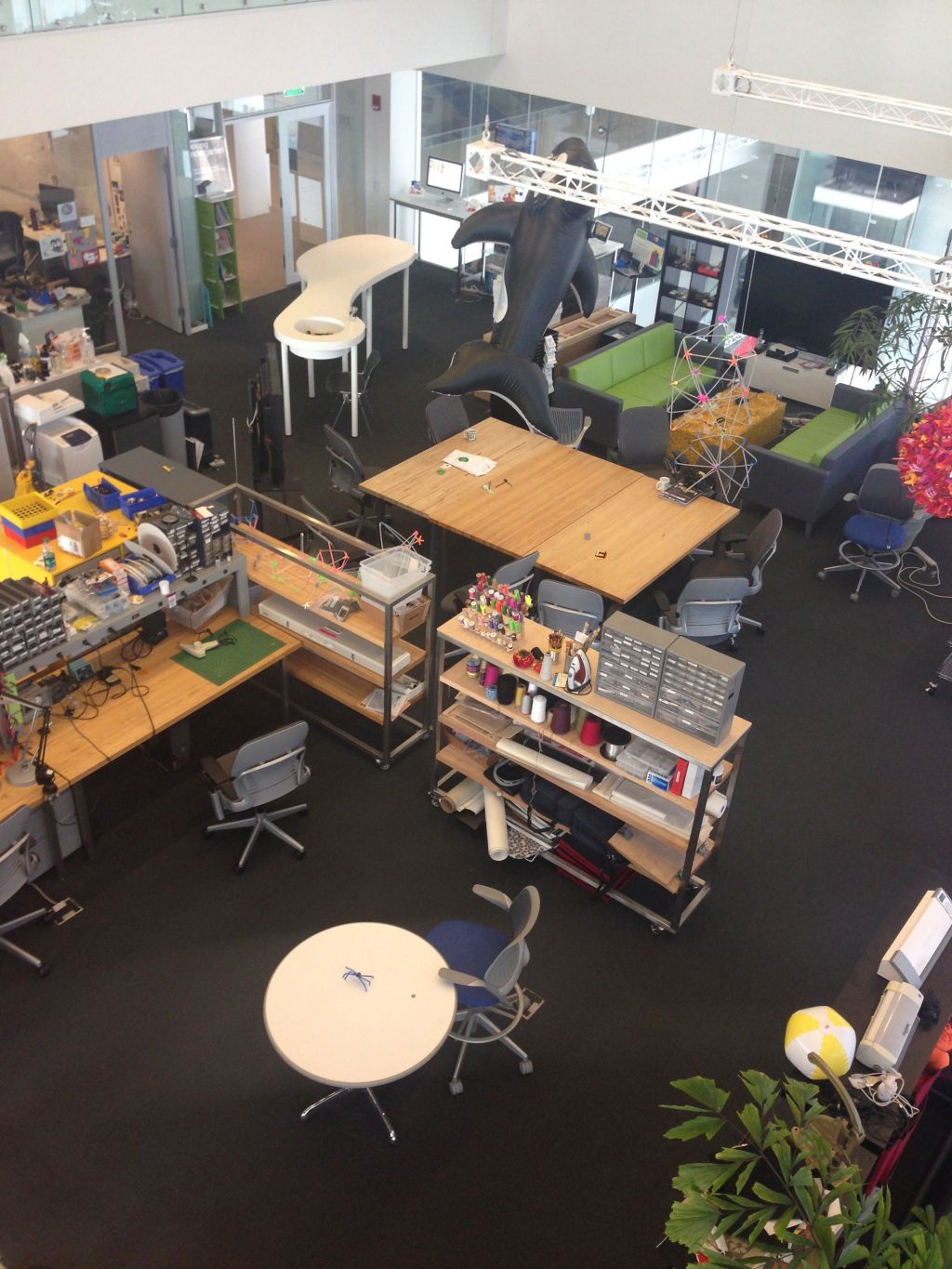
Maker Spaces in Education: Fostering Creativity and Innovation
In recent years, there has been a growing trend in education to incorporate maker spaces into schools. These innovative learning environments provide students with the opportunity to explore their creativity, develop problem-solving skills, and engage in hands-on learning experiences. Maker spaces are redefining traditional classroom settings by offering a space where students can experiment, tinker, and create using a wide range of tools and materials. This article explores the benefits of maker spaces in education and how they are transforming the way we teach and learn.
1. Encouraging Creativity
One of the key advantages of maker spaces is that they encourage creativity among students. In a traditional classroom setting, students often follow prescribed curricula that leave little room for self-expression or creative thinking. However, in a maker space environment, students have the freedom to explore their own ideas and bring them to life through various projects.
By providing access to different tools such as 3D printers, laser cutters, robotics kits, woodworking tools, and more, maker spaces empower students to turn their imaginative ideas into tangible creations. Whether it’s designing prototypes for new inventions or building models for scientific experiments – the possibilities are endless.
2. Cultivating Problem-Solving Skills
Another significant benefit of incorporating maker spaces into education is that they foster problem-solving skills among students. When working on hands-on projects within these spaces, learners encounter real-world challenges that require critical thinking and problem-solving abilities.
Through trial-and-error processes inherent in making activities, students learn from their mistakes while finding innovative solutions along the way. Rather than being passive recipients of knowledge delivered through lectures or textbooks alone; making places learners at the center of their own learning experience – encouraging them to think critically about problems they face and actively seek out ways to solve them.
3. Promoting Collaboration
Collaboration is an essential skill needed for success in today’s interconnected world. Maker spaces provide an ideal platform for students to work together on projects, fostering collaboration and teamwork. Working in groups allows students to share ideas, learn from one another’s strengths, and develop effective communication skills.
The collaborative nature of maker spaces also promotes peer-to-peer learning, where students can teach each other new techniques or share their expertise in specific areas. This helps create a supportive community of learners who can inspire and motivate each other.
4. Bridging the Gap between Theory and Practice
Traditional classroom environments often prioritize theoretical knowledge over practical application. This can leave students feeling disconnected from real-world experiences and unable to understand how concepts they learn are relevant outside the classroom.
Maker spaces bridge this gap by providing a hands-on environment where theory is put into practice. Students get the opportunity to apply what they’ve learned in class to create tangible objects or solve real-world problems. By engaging with physical materials, experimenting with different tools, and building prototypes, learners gain a deeper understanding of abstract concepts while developing practical skills that are transferable beyond the classroom walls.
5. Nurturing Entrepreneurial Mindset
In today’s rapidly evolving job market, having an entrepreneurial mindset is becoming increasingly important. Maker spaces play a crucial role in nurturing this mindset among students by encouraging them to take risks, think innovatively, and develop an entrepreneurial spirit.
Through making activities, students gain firsthand experience in ideation, prototyping, iteration cycles – all essential components of entrepreneurship. They learn to embrace failure as part of the learning process rather than something negative – fostering resilience and adaptability necessary for success in any field.
6. Fostering Inclusivity
Another significant advantage of maker spaces is their ability to foster inclusivity within education systems by providing opportunities for diverse learning styles and interests. Traditional educational settings may not cater well enough for every student’s unique needs; however maker spaces offer a more flexible approach that accommodates various learning preferences.
For instance, students who excel in hands-on activities or have a keen interest in the arts can thrive in maker spaces where they can engage with materials and tools that align with their strengths. Maker spaces also provide an avenue for students to explore STEAM (Science, Technology, Engineering, Arts, and Mathematics) subjects through interdisciplinary projects that integrate different disciplines.
7. Encouraging Lifelong Learning
Lastly, maker spaces instill a love for learning that extends beyond the classroom walls. By immersing themselves in hands-on projects and pursuing their passions within these environments, students develop a lifelong curiosity and enthusiasm for acquiring new knowledge.
Maker spaces cultivate a growth mindset among learners by promoting continuous learning and self-improvement. As they encounter new challenges and explore different areas of interest within the maker space, students become more confident in their abilities to learn independently – setting them up for success not only during their school years but also throughout their lives.
In conclusion, incorporating maker spaces into education is revolutionizing traditional teaching methods by providing unique opportunities for creativity, problem-solving skills development, collaboration among peers, bridging the gap between theory and practice. Additionally nurturing entrepreneurial mindsets encouraging inclusivity empowering lifelong learning experiences!
 Alternative Amie
Leave a comment