Sustainability in maker education is a crucial aspect that not only teaches students about the importance of environmental conservation but also equips them with skills to create sustainable solutions. Incorporating sustainability into maker education allows students to think critically and creatively while addressing real-world issues.
One way to promote sustainability in maker education is by using recycled or repurposed materials. Encouraging students to use materials that would otherwise end up in landfills helps them understand the concept of reducing waste and reusing resources. Additionally, it fosters innovation as students find creative ways to repurpose these materials for their projects.
Another important element of sustainability in maker education is teaching students about energy efficiency and renewable energy sources. By incorporating solar panels, wind turbines, or other alternative energy systems into their projects, students can learn about clean energy technologies while developing problem-solving skills.
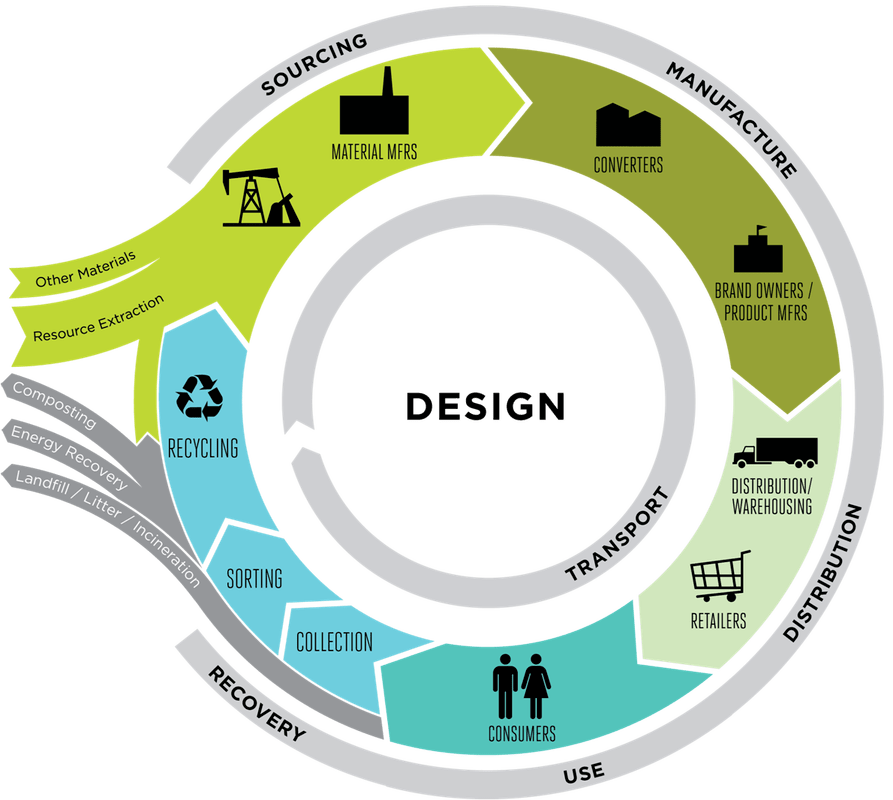
Furthermore, understanding the life cycle of products is an essential part of sustainable making. Educators can guide students through the process of designing products that are durable and repairable rather than disposable. This approach encourages responsible consumption habits and reduces waste generation.
Maker education for special needs students also plays a vital role in fostering inclusivity and providing equal opportunities for all learners. Making activities can be adapted to meet individual needs, allowing every student to participate and engage with hands-on projects.
Incorporating art and creativity into maker education enhances the overall learning experience by encouraging self-expression and personal exploration. Artistic elements such as painting, drawing, or sculpting can be integrated into making activities, enabling students to showcase their creativity while developing critical thinking skills.
Early childhood development greatly benefits from maker education as it promotes cognitive growth through hands-on exploration. Maker activities tailored specifically for young children focus on sensory experiences, fine motor skill development, problem-solving abilities, spatial awareness, and social interactions.
Design thinking is another integral component of maker education as it empowers students to identify problems within their communities or beyond and develop innovative solutions. Design thinking encourages empathy, collaboration, and iterative problem-solving, which are essential skills for future success.
Social-emotional learning is an important aspect of maker education as it nurtures students’ emotional well-being and interpersonal skills. Through making activities that require teamwork and cooperation, students learn to communicate effectively, resolve conflicts, and develop a growth mindset.
Maker education also has the potential to benefit rural communities by providing access to technology and fostering entrepreneurship. By equipping individuals in these areas with making skills, they can create economic opportunities locally while addressing community needs.
Lastly, maker education in non-traditional settings expands its reach beyond traditional classrooms. It can be implemented in alternative schooling environments such as homeschooling or after-school programs. These settings offer flexibility and allow individuals to explore their interests at their own pace.
In conclusion, sustainability in maker education promotes environmental awareness while empowering students with valuable skills. Maker education for special needs students fosters inclusivity, art integration sparks creativity, early childhood development benefits from hands-on exploration, design thinking enhances problem-solving abilities, social-emotional learning nurtures personal growth, rural communities gain access to technology and entrepreneurship opportunities; and non-traditional settings provide alternative educational pathways. The possibilities for incorporating maker education into various contexts are limitless as it continues to evolve and adapt to meet the diverse needs of learners worldwide.
 Alternative Amie
Leave a comment