Cognitive development refers to the growth and maturation of a child’s thinking abilities, including their perception, attention, memory, problem-solving skills, language acquisition, and decision-making capabilities. It is a crucial aspect of a child’s overall development as it lays the foundation for their future learning and academic success. In alternative schooling and education settings that prioritize individualized instruction and holistic approaches to learning, cognitive development holds immense importance.
One key aspect of cognitive development is perception. This refers to how children interpret sensory information from their environment through their senses – sight, hearing, touch, taste, and smell. Alternative education environments often provide rich sensory experiences through hands-on activities and exploration of nature. For example, engaging in art projects or science experiments can help children develop their visual-perceptual skills by observing shapes or colors or enhance auditory perception by listening carefully to sounds.
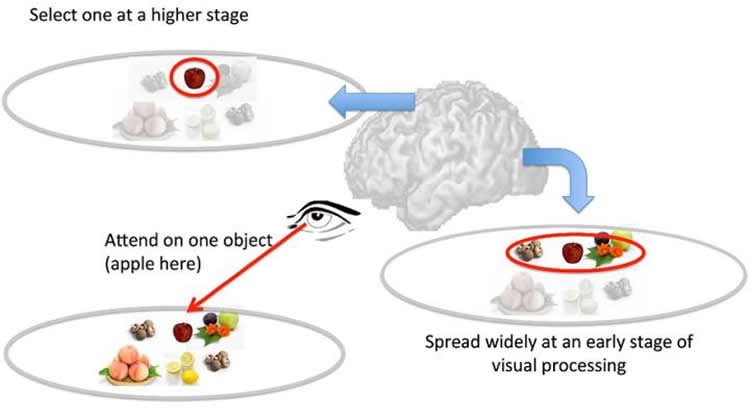
Another vital component of cognitive development is attention. Alternative schools recognize that individuals have different learning styles and preferences when it comes to focusing on tasks or information. They offer varied teaching methods such as project-based learning or incorporating movement into lessons to cater to diverse attention spans. By providing an environment that supports sustained focus while respecting individual differences in attentional needs, alternative schools promote optimal cognitive growth.
Memory plays a significant role in cognitive development as well. Children need strong memory skills to retain information learned in school and apply it effectively later on. Alternative education often employs multisensory strategies like association techniques (linking new information with existing knowledge) or visualization exercises (creating mental images) that help enhance memory recall abilities.
Problem-solving skills are another critical area within cognitive development that alternative schools address proactively. These institutions encourage students’ critical thinking by presenting real-life problems for them to solve creatively rather than relying solely on rote memorization or passive learning methods commonly found in traditional educational settings. Through group discussions or collaborative projects where students brainstorm solutions together, children learn how to analyze situations critically, make informed decisions, and develop problem-solving strategies.
Language acquisition is a fundamental aspect of cognitive development. Alternative education recognizes the importance of language skills in communication and overall cognitive growth. These schools often provide opportunities for children to engage in meaningful conversations, storytelling, creative writing exercises, or even learning multiple languages. By fostering strong language abilities, alternative schools enable students to express themselves effectively and think more comprehensively.
Decision-making capabilities also play a crucial role in cognitive development. Children need to learn how to evaluate options, weigh consequences, and make choices that align with their values and goals. Alternative schooling environments typically foster autonomy and independence by allowing students to have input into their own educational experiences through self-directed learning projects or personalized curriculum plans. By empowering students with decision-making responsibilities within appropriate boundaries, these schools nurture cognitive growth while teaching life skills concurrently.
In conclusion, cognitive development is an essential aspect of a child’s overall growth that shapes their thinking abilities throughout their lives. In alternative schooling settings that prioritize individualized instruction and holistic approaches to education, various aspects of cognition are nurtured intentionally. Through activities that enhance perception, attentional focus, memory recall abilities, problem-solving skills development, language acquisition support as well as decision-making capabilities empowerment; alternative schools create an environment conducive to optimal cognitive development for each student’s unique needs and potential
 Alternative Amie
Leave a comment