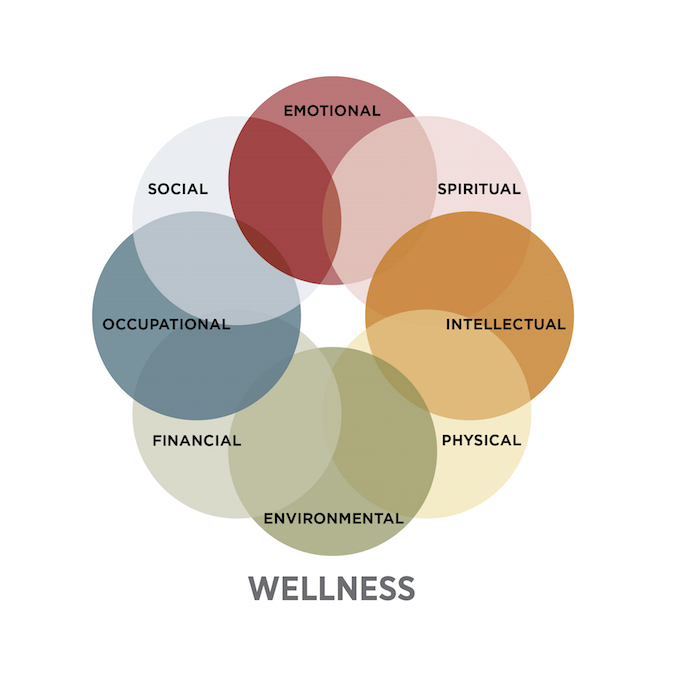
Self-care and Well-being Strategies: 15 Ways to Prioritize Your Mental and Physical Health
In our fast-paced world, it’s easy to get caught up in the hustle and bustle of everyday life. We often put our own needs on the back burner as we juggle work, family, and other responsibilities. However, taking care of ourselves should always be a top priority. Self-care and well-being strategies are essential for maintaining a healthy mind, body, and spirit. In this article, we will explore 15 effective ways to prioritize your mental and physical health.
1. Practice Mindfulness:
Mindfulness is about being fully present in the moment without judgment. By practicing mindfulness regularly through activities such as meditation or deep breathing exercises, you can reduce stress levels and improve overall well-being.
2. Engage in Regular Exercise:
Physical activity not only keeps your body fit but also has numerous mental health benefits. Whether it’s going for a run, attending a yoga class, or simply taking regular walks outdoors, incorporating exercise into your routine boosts endorphins and promotes relaxation.
3. Get Enough Sleep:
Adequate sleep is crucial for optimal functioning of both the mind and body. Make sure you establish a consistent sleep schedule that allows you to get at least 7-8 hours of quality rest each night. Creating a bedtime routine that promotes relaxation can help ensure a good night’s sleep.
4. Eat Nutritious Meals:
Fueling your body with healthy food is essential for overall well-being. Incorporate fruits, vegetables, whole grains, lean proteins, and healthy fats into your diet while minimizing processed foods high in sugar or unhealthy fats.
5. Stay Hydrated:
Drinking enough water throughout the day helps maintain proper bodily functions such as digestion and circulation while improving cognitive performance.
6. Set Boundaries:
Learning to say no when necessary is vital for self-care. Establishing boundaries with others ensures that you don’t overextend yourself and allows time for rest and relaxation.
7. Prioritize Personal Time:
Carve out moments in your day or week to engage in activities that bring you joy. Whether it’s reading a book, practicing a hobby, or simply taking a bubble bath, personal time is essential for recharging your batteries.
8. Connect with Loved Ones:
Nurturing relationships with family and friends is crucial for overall well-being. Make time to connect with loved ones regularly through phone calls, video chats, or face-to-face interactions when possible.
9. Practice Gratitude:
Cultivating an attitude of gratitude can positively impact mental health by shifting focus towards the positive aspects of life. Take time each day to reflect on things you are grateful for and express appreciation to others.
10. Engage in Creative Outlets:
Engaging in creative activities such as painting, writing, playing music, or gardening can be therapeutic and provide an outlet for self-expression.
11. Limit Screen Time:
While technology has its benefits, excessive screen time can have negative effects on mental health. Set boundaries around screen usage to prevent feelings of overwhelm and promote more meaningful connections.
12. Practice Self-Compassion:
Be kind to yourself during difficult times instead of being overly critical or judgmental. Treat yourself with the same compassion you would offer a friend facing similar challenges.
13. Learn Stress Management Techniques:
Stress is inevitable but managing it effectively is key to maintaining well-being. Explore stress management techniques such as deep breathing exercises, journaling, mindfulness meditation, or engaging in hobbies that help relieve stress.
14. Spend Time in Nature:
Immersing yourself in nature has been shown to reduce stress levels and improve mood significantly. Take regular walks outdoors or plan weekend getaways into nature whenever possible.
15: Seek Professional Help When Needed:
If struggling with persistent mental health issues like anxiety or depression despite implementing self-care strategies, don’t hesitate to seek professional help. There is no shame in reaching out to therapists or mental health professionals who can provide guidance and support.
Incorporating these self-care and well-being strategies into your daily life will help you prioritize your mental and physical health. Remember, taking care of yourself is not selfish; it’s necessary for leading a fulfilling life.
 Alternative Amie
Leave a comment