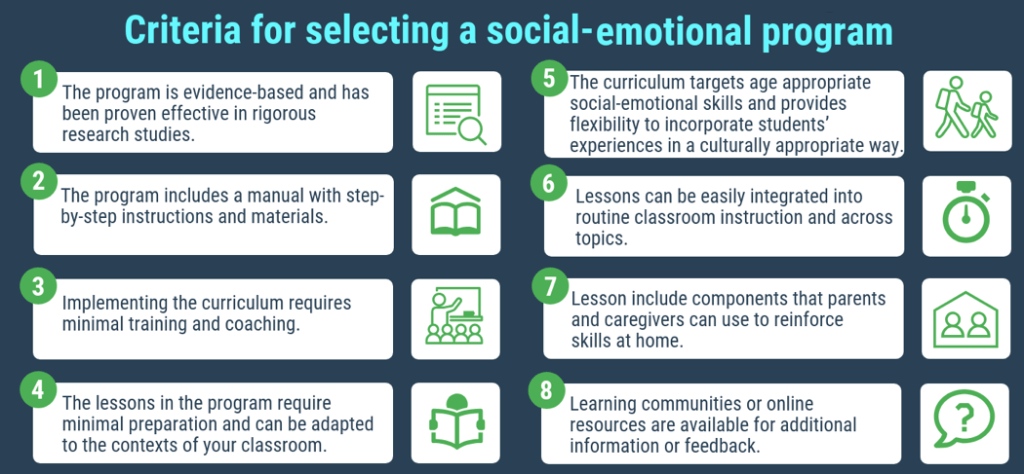
Social-emotional learning (SEL) is a critical aspect of education that goes beyond academic achievements. It focuses on nurturing students’ emotional intelligence, empathy, self-awareness, and interpersonal skills. While traditional schooling often prioritizes cognitive development, SEL recognizes the importance of social and emotional well-being in a student’s overall growth.
One of the key objectives of SEL is to equip students with essential life skills that will benefit them throughout their lives. These skills include self-management, responsible decision-making, relationship building, and effective communication. By cultivating these abilities at an early age, we can help children develop into well-rounded individuals who are better prepared to handle challenges and navigate relationships successfully.
SEL programs typically incorporate various activities designed to promote personal and social development among students. For instance, mindfulness exercises encourage self-reflection and awareness by teaching individuals how to focus their attention on the present moment without judgment. This practice helps young learners become more attuned to their emotions while also strengthening their ability to concentrate.
Collaborative projects are another common feature of SEL initiatives. By working together in groups or pairs on tasks or assignments, students learn valuable teamwork skills such as cooperation, compromise, active listening, and conflict resolution. These experiences teach them how to engage effectively with others while respecting diverse perspectives—an invaluable skillset for success in both personal relationships and professional settings.
Moreover, many SEL programs emphasize building empathy within students. Empathy enables individuals to understand and share the feelings of others genuinely. Through storytelling exercises or role-playing scenarios where they step into someone else’s shoes emotionally or intellectually challenged learners develop compassion for different experiences and perspectives.
Research has consistently shown that integrating SEL into educational curricula yields numerous benefits for both students and schools as a whole. Students who receive comprehensive social-emotional learning demonstrate improved academic performance due to increased focus levels resulting from enhanced emotional regulation skills acquired through SEL practices.
Furthermore, studies have revealed reduced instances of behavioral problems such as violence or bullying among students who have undergone SEL programs. By fostering emotional intelligence and empathy, SEL helps create a supportive and inclusive school environment where conflicts can be resolved peacefully, leading to happier and healthier student communities.
SEL also promotes mental health awareness by encouraging open conversations about emotions and well-being. This approach contributes to reducing stigma around mental health issues, allowing students to seek help when needed without fear of judgment or discrimination.
To successfully implement SEL programs, collaboration between educators, administrators, parents, and the wider community is crucial. Teachers play a significant role in modeling social-emotional skills by demonstrating kindness, respect, active listening, and compassion towards their students. Parental involvement is equally important as it allows for consistent reinforcement of these skills at home.
In conclusion, social-emotional learning is an essential component of education that fosters personal growth alongside academic achievement. By equipping students with life skills such as self-awareness, empathy, responsible decision-making, relationship building, and effective communication through various initiatives like mindfulness exercises or collaborative projects—SEL prepares them for success in all areas of life. The benefits extend beyond the individual level to create more inclusive schools where conflicts are resolved peacefully with reduced instances of behavioral problems. With concerted efforts from all stakeholders involved in education—teachers administrators parents—the integration of SEL into curricula can make a profound impact on our children’s futures.
 Alternative Amie
Leave a comment